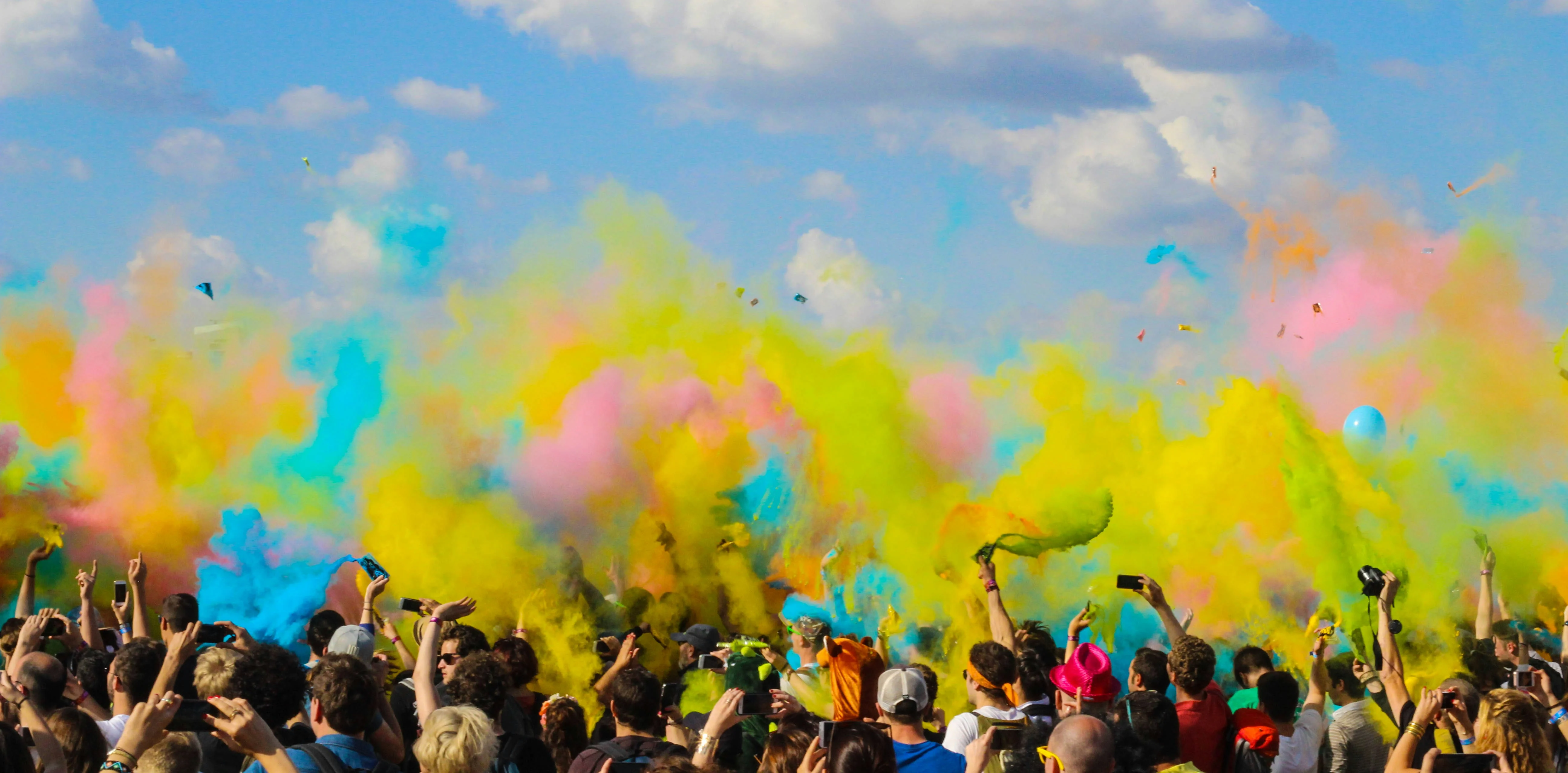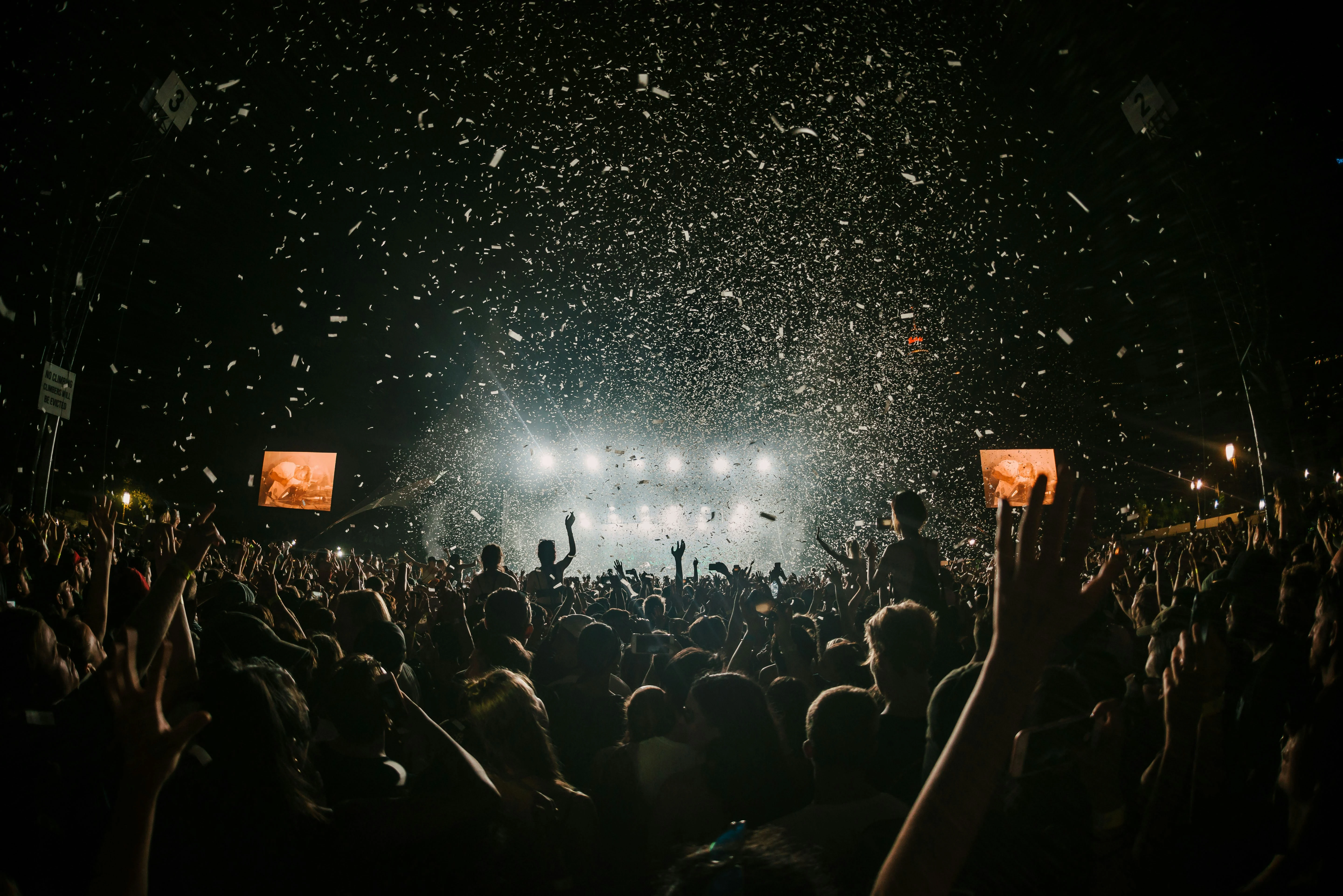
Georgia is a country where celebration is woven into the very fabric of daily life. Throughout the year, Georgians honor their rich cultural heritage, religious traditions, and love of community through a diverse array of festivals and celebrations. These events offer visitors an unparalleled opportunity to experience authentic Georgian culture, from ancient rituals passed down through generations to modern festivals that celebrate contemporary arts and music.
This comprehensive guide will take you through Georgia's festival calendar, highlighting the most significant celebrations, their cultural importance, and what makes each one special. Whether you're planning your visit around a specific event or simply want to understand Georgian culture better, this guide will help you appreciate the depth and beauty of Georgia's festive traditions.
The Rhythm of Georgian Celebrations
Georgian festivals reflect the country's unique position at the crossroads of Europe and Asia, blending Orthodox Christian traditions with pre-Christian customs, regional variations, and modern innovations. Each celebration tells a story about Georgian identity, values, and the importance of community and family.
What makes Georgian festivals particularly special is their emphasis on participation rather than observation. Visitors are not just spectators but are welcomed as guests, invited to join in the dancing, singing, feasting, and toasting that define these celebrations. This inclusive spirit reflects the Georgian value of hospitality, where sharing joy is as important as the celebration itself.
Religious Festivals: Connecting Faith and Culture
Georgia's Orthodox Christian faith plays a central role in many of the country's most important celebrations. These religious festivals combine solemn religious observances with joyful community gatherings, creating events that are both spiritually meaningful and culturally rich.
Orthodox Christmas (January 7)
While much of the world celebrates Christmas on December 25, Georgia follows the Julian calendar, celebrating Christmas on January 7. The celebration begins on January 6 with Alilo, a procession where people walk through the streets singing traditional carols and collecting donations for the poor.
Christmas in Georgia is a time of family gatherings, special church services, and traditional foods. The holiday is marked by the lighting of candles, the singing of carols, and the sharing of special Christmas dishes. Many Georgians attend midnight mass, creating a sense of community and shared faith.
Easter: The Most Important Religious Holiday
Easter is the most significant religious holiday in Georgia, celebrated with great reverence and joy. The celebration begins with Holy Week, during which many Georgians fast and attend special church services. On Easter Sunday, families gather for elaborate feasts featuring traditional dishes, painted eggs, and special Easter bread.
Easter in Georgia is marked by the greeting "Kriste Aghsdga" (Christ is Risen), to which the response is "Cheshmaritad" (Indeed He is Risen). This greeting is exchanged throughout the day, reinforcing the sense of community and shared faith.
Mtskhetoba-Svetitskhovloba (October 14)
This important religious festival celebrates the Robe of Christ, which according to tradition is kept in Mtskheta, Georgia's ancient capital. The festival includes a procession, special church services, and a large gathering of pilgrims and visitors. Mtskhetoba-Svetitskhovloba is one of the most important religious celebrations in Georgia, drawing people from across the country.
Cultural Festivals: Showcasing Georgian Arts and Traditions
Beyond religious celebrations, Georgia hosts numerous cultural festivals that showcase the country's artistic heritage, from traditional polyphonic singing to contemporary music and film.
Tbilisoba: The Festival of Tbilisi (October)
Tbilisoba is one of Georgia's most beloved city festivals, celebrating the capital's rich history, culture, and diversity. The festival takes place in early October and transforms the entire city into a celebration of Georgian culture.
During Tbilisoba, the streets come alive with traditional music, dance performances, art exhibitions, and food stalls offering Georgian delicacies. The festival includes concerts, theatrical performances, and various cultural events that showcase both traditional and contemporary Georgian arts. It's a time when the entire city comes together to celebrate its identity and welcome visitors.
The highlight of Tbilisoba is the sense of community it creates, with people of all ages participating in the celebrations. The festival perfectly captures the spirit of Georgian hospitality and the joy of shared celebration.
Georgian Polyphonic Singing Festivals
Georgia's unique polyphonic singing tradition, recognized by UNESCO as Intangible Cultural Heritage, is celebrated through various festivals throughout the year. These festivals bring together choirs from different regions, each with their own distinct style and repertoire.
The polyphonic singing festivals are not just performances but celebrations of a living tradition that has been passed down through generations. Visitors have the opportunity to hear this extraordinary music in its authentic context, often in beautiful natural settings or historic venues.
Wine Festivals: Celebrating Georgia's Winemaking Heritage
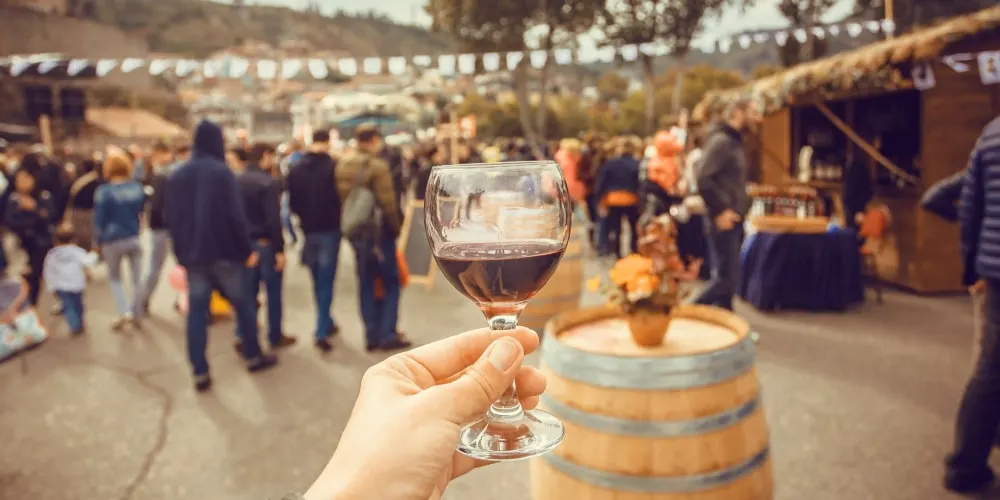
Given Georgia's status as the birthplace of wine, it's no surprise that wine festivals are among the country's most popular celebrations. These festivals combine wine tasting with traditional music, dance, food, and the warm hospitality that defines Georgian culture.
Rtveli: The Grape Harvest Festival (September-October)
Rtveli is the traditional grape harvest festival, celebrated in wine regions throughout Georgia, particularly in Kakheti. This ancient celebration marks the end of the harvest season and the beginning of the winemaking process.
During Rtveli, families and communities come together to harvest grapes, press them in traditional qvevri (clay vessels), and celebrate with feasts, music, and dancing. The festival is a time of joy and gratitude, honoring both the hard work of the harvest and the promise of the wine to come.
Visitors to Georgia during Rtveli can participate in grape harvesting, learn about traditional winemaking methods, and enjoy the festive atmosphere that permeates wine regions during this time.
New Wine Festival (May)
The New Wine Festival celebrates the first wine of the year, made from the previous year's harvest. This festival, held in various wine regions, offers visitors the chance to taste new wines, enjoy traditional foods, and experience Georgian winemaking culture.
Modern Cultural Festivals
Georgia also hosts numerous modern festivals that celebrate contemporary arts, music, and culture while maintaining connections to traditional values.
Tbilisi International Film Festival
This annual film festival showcases both Georgian and international cinema, bringing together filmmakers, critics, and film enthusiasts. The festival has become an important cultural event, promoting Georgian cinema on the international stage while introducing international films to Georgian audiences.
Art-Gene Contemporary Art Festival
Held in various locations throughout Georgia, this festival celebrates contemporary art in all its forms. The festival includes exhibitions, performances, installations, and workshops, creating a dynamic platform for artistic expression and cultural exchange.
Jazz Festivals
Georgia has a strong jazz tradition, and several jazz festivals throughout the year celebrate this musical heritage. These festivals feature both Georgian and international jazz musicians, creating opportunities for cultural exchange and musical innovation.
Seasonal Celebrations
Georgia's festival calendar also includes celebrations tied to the seasons and agricultural cycles, reflecting the country's deep connection to the land.
Spring Festivals
Spring in Georgia is marked by various celebrations that welcome the new season. These festivals often include traditional dances, music, and foods that celebrate the renewal of nature and the promise of the growing season ahead.
Summer Festivals
Summer brings outdoor festivals and celebrations that take advantage of Georgia's beautiful weather and natural settings. These events often combine music, food, and outdoor activities, creating a relaxed, festive atmosphere.
Autumn Celebrations
Autumn in Georgia is closely tied to the harvest, with various festivals celebrating the bounty of the land. These celebrations honor the agricultural traditions that have sustained Georgian communities for centuries.
Winter Festivals
Winter festivals in Georgia often combine religious observances with community celebrations, creating warmth and joy during the colder months. These festivals emphasize the importance of family, community, and shared traditions.
Regional Festivals: Discovering Local Traditions
Each region of Georgia has its own unique festivals and celebrations that reflect local traditions, history, and culture. These regional festivals offer visitors the opportunity to experience the diversity within Georgian culture.
Svaneti Festivals
The mountainous region of Svaneti hosts unique festivals that celebrate local traditions, including traditional Svan music, dance, and crafts. These festivals provide insight into one of Georgia's most distinctive regional cultures.
Adjara Festivals
The coastal region of Adjara, with its proximity to the Black Sea, hosts festivals that celebrate both Georgian traditions and the region's unique maritime culture.
Kakheti Wine Festivals
As Georgia's premier wine region, Kakheti hosts numerous wine-related festivals throughout the year, each celebrating different aspects of the winemaking tradition.
Participating in Georgian Festivals
For visitors interested in experiencing Georgian festivals, here are some tips:
Plan ahead: Research festival dates and locations, as many festivals have specific dates that may vary from year to year.
Be flexible: Georgian festivals often have spontaneous elements, and the best experiences may come from going with the flow.
Participate actively: Don't be a passive observer—join in the dancing, try the food, and engage with locals.
Respect traditions: While Georgians are welcoming, it's important to respect religious and cultural traditions during festivals.
Learn basic phrases: Knowing a few words in Georgian will enhance your experience and show respect for the culture.
Bring an appetite: Georgian festivals always involve food, so come hungry and ready to try new dishes.
The Role of Music and Dance in Georgian Festivals
Music and dance are integral to Georgian festivals, serving as expressions of joy, community, and cultural identity. Traditional Georgian dances, with their athleticism and grace, are often performed during festivals, creating a visual spectacle that complements the music.
Polyphonic singing, with its complex harmonies and emotional depth, adds another layer to festival celebrations. These musical traditions are not just entertainment but living expressions of Georgian culture and identity.
The Future of Georgian Festivals
As Georgia continues to develop and engage with the global community, its festival calendar is evolving. New festivals are being created that celebrate contemporary culture while traditional festivals are being preserved and revitalized. This balance between tradition and innovation ensures that Georgian festivals remain vibrant and relevant while honoring the country's rich cultural heritage.
Conclusion: Celebrating Life the Georgian Way
Georgian festivals and celebrations offer a window into the soul of the country, revealing values of hospitality, community, faith, and joy. These events are not just entertainment but essential expressions of Georgian identity and culture.
Whether you're drawn to religious observances, cultural festivals, wine celebrations, or modern arts events, Georgia's festival calendar offers something for everyone. Each festival provides an opportunity to connect with Georgian culture, meet local people, and experience the warmth and hospitality that define this beautiful country.
So when you visit Georgia, consider timing your trip to coincide with a festival. You'll not only witness spectacular celebrations but also gain a deeper understanding of what makes Georgia and its people so special. In Georgia, every celebration is an invitation to join in the joy, and every festival is a chance to become part of the community, if only for a moment.
Come experience the rhythm of Georgian life through its festivals, and discover why celebration is not just an event in Georgia—it's a way of life.
This comprehensive guide will take you through Georgia's festival calendar, highlighting the most significant celebrations, their cultural importance, and what makes each one special. Whether you're planning your visit around a specific event or simply want to understand Georgian culture better, this guide will help you appreciate the depth and beauty of Georgia's festive traditions.
The Rhythm of Georgian Celebrations
Georgian festivals reflect the country's unique position at the crossroads of Europe and Asia, blending Orthodox Christian traditions with pre-Christian customs, regional variations, and modern innovations. Each celebration tells a story about Georgian identity, values, and the importance of community and family.
What makes Georgian festivals particularly special is their emphasis on participation rather than observation. Visitors are not just spectators but are welcomed as guests, invited to join in the dancing, singing, feasting, and toasting that define these celebrations. This inclusive spirit reflects the Georgian value of hospitality, where sharing joy is as important as the celebration itself.
Religious Festivals: Connecting Faith and Culture
Georgia's Orthodox Christian faith plays a central role in many of the country's most important celebrations. These religious festivals combine solemn religious observances with joyful community gatherings, creating events that are both spiritually meaningful and culturally rich.
Orthodox Christmas (January 7)
While much of the world celebrates Christmas on December 25, Georgia follows the Julian calendar, celebrating Christmas on January 7. The celebration begins on January 6 with Alilo, a procession where people walk through the streets singing traditional carols and collecting donations for the poor.
Christmas in Georgia is a time of family gatherings, special church services, and traditional foods. The holiday is marked by the lighting of candles, the singing of carols, and the sharing of special Christmas dishes. Many Georgians attend midnight mass, creating a sense of community and shared faith.
Easter: The Most Important Religious Holiday
Easter is the most significant religious holiday in Georgia, celebrated with great reverence and joy. The celebration begins with Holy Week, during which many Georgians fast and attend special church services. On Easter Sunday, families gather for elaborate feasts featuring traditional dishes, painted eggs, and special Easter bread.
Easter in Georgia is marked by the greeting "Kriste Aghsdga" (Christ is Risen), to which the response is "Cheshmaritad" (Indeed He is Risen). This greeting is exchanged throughout the day, reinforcing the sense of community and shared faith.
Mtskhetoba-Svetitskhovloba (October 14)
This important religious festival celebrates the Robe of Christ, which according to tradition is kept in Mtskheta, Georgia's ancient capital. The festival includes a procession, special church services, and a large gathering of pilgrims and visitors. Mtskhetoba-Svetitskhovloba is one of the most important religious celebrations in Georgia, drawing people from across the country.
Cultural Festivals: Showcasing Georgian Arts and Traditions
Beyond religious celebrations, Georgia hosts numerous cultural festivals that showcase the country's artistic heritage, from traditional polyphonic singing to contemporary music and film.
Tbilisoba: The Festival of Tbilisi (October)
Tbilisoba is one of Georgia's most beloved city festivals, celebrating the capital's rich history, culture, and diversity. The festival takes place in early October and transforms the entire city into a celebration of Georgian culture.
During Tbilisoba, the streets come alive with traditional music, dance performances, art exhibitions, and food stalls offering Georgian delicacies. The festival includes concerts, theatrical performances, and various cultural events that showcase both traditional and contemporary Georgian arts. It's a time when the entire city comes together to celebrate its identity and welcome visitors.
The highlight of Tbilisoba is the sense of community it creates, with people of all ages participating in the celebrations. The festival perfectly captures the spirit of Georgian hospitality and the joy of shared celebration.
Georgian Polyphonic Singing Festivals
Georgia's unique polyphonic singing tradition, recognized by UNESCO as Intangible Cultural Heritage, is celebrated through various festivals throughout the year. These festivals bring together choirs from different regions, each with their own distinct style and repertoire.
The polyphonic singing festivals are not just performances but celebrations of a living tradition that has been passed down through generations. Visitors have the opportunity to hear this extraordinary music in its authentic context, often in beautiful natural settings or historic venues.
Wine Festivals: Celebrating Georgia's Winemaking Heritage
Given Georgia's status as the birthplace of wine, it's no surprise that wine festivals are among the country's most popular celebrations. These festivals combine wine tasting with traditional music, dance, food, and the warm hospitality that defines Georgian culture.
Rtveli: The Grape Harvest Festival (September-October)
Rtveli is the traditional grape harvest festival, celebrated in wine regions throughout Georgia, particularly in Kakheti. This ancient celebration marks the end of the harvest season and the beginning of the winemaking process.
During Rtveli, families and communities come together to harvest grapes, press them in traditional qvevri (clay vessels), and celebrate with feasts, music, and dancing. The festival is a time of joy and gratitude, honoring both the hard work of the harvest and the promise of the wine to come.
Visitors to Georgia during Rtveli can participate in grape harvesting, learn about traditional winemaking methods, and enjoy the festive atmosphere that permeates wine regions during this time.
New Wine Festival (May)
The New Wine Festival celebrates the first wine of the year, made from the previous year's harvest. This festival, held in various wine regions, offers visitors the chance to taste new wines, enjoy traditional foods, and experience Georgian winemaking culture.
Modern Cultural Festivals
Georgia also hosts numerous modern festivals that celebrate contemporary arts, music, and culture while maintaining connections to traditional values.
Tbilisi International Film Festival
This annual film festival showcases both Georgian and international cinema, bringing together filmmakers, critics, and film enthusiasts. The festival has become an important cultural event, promoting Georgian cinema on the international stage while introducing international films to Georgian audiences.
Art-Gene Contemporary Art Festival
Held in various locations throughout Georgia, this festival celebrates contemporary art in all its forms. The festival includes exhibitions, performances, installations, and workshops, creating a dynamic platform for artistic expression and cultural exchange.
Jazz Festivals
Georgia has a strong jazz tradition, and several jazz festivals throughout the year celebrate this musical heritage. These festivals feature both Georgian and international jazz musicians, creating opportunities for cultural exchange and musical innovation.
Seasonal Celebrations
Georgia's festival calendar also includes celebrations tied to the seasons and agricultural cycles, reflecting the country's deep connection to the land.
Spring Festivals
Spring in Georgia is marked by various celebrations that welcome the new season. These festivals often include traditional dances, music, and foods that celebrate the renewal of nature and the promise of the growing season ahead.
Summer Festivals
Summer brings outdoor festivals and celebrations that take advantage of Georgia's beautiful weather and natural settings. These events often combine music, food, and outdoor activities, creating a relaxed, festive atmosphere.
Autumn Celebrations
Autumn in Georgia is closely tied to the harvest, with various festivals celebrating the bounty of the land. These celebrations honor the agricultural traditions that have sustained Georgian communities for centuries.
Winter Festivals
Winter festivals in Georgia often combine religious observances with community celebrations, creating warmth and joy during the colder months. These festivals emphasize the importance of family, community, and shared traditions.
Regional Festivals: Discovering Local Traditions
Each region of Georgia has its own unique festivals and celebrations that reflect local traditions, history, and culture. These regional festivals offer visitors the opportunity to experience the diversity within Georgian culture.
Svaneti Festivals
The mountainous region of Svaneti hosts unique festivals that celebrate local traditions, including traditional Svan music, dance, and crafts. These festivals provide insight into one of Georgia's most distinctive regional cultures.
Adjara Festivals
The coastal region of Adjara, with its proximity to the Black Sea, hosts festivals that celebrate both Georgian traditions and the region's unique maritime culture.
Kakheti Wine Festivals
As Georgia's premier wine region, Kakheti hosts numerous wine-related festivals throughout the year, each celebrating different aspects of the winemaking tradition.
Participating in Georgian Festivals
For visitors interested in experiencing Georgian festivals, here are some tips:
Plan ahead: Research festival dates and locations, as many festivals have specific dates that may vary from year to year.
Be flexible: Georgian festivals often have spontaneous elements, and the best experiences may come from going with the flow.
Participate actively: Don't be a passive observer—join in the dancing, try the food, and engage with locals.
Respect traditions: While Georgians are welcoming, it's important to respect religious and cultural traditions during festivals.
Learn basic phrases: Knowing a few words in Georgian will enhance your experience and show respect for the culture.
Bring an appetite: Georgian festivals always involve food, so come hungry and ready to try new dishes.
The Role of Music and Dance in Georgian Festivals
Music and dance are integral to Georgian festivals, serving as expressions of joy, community, and cultural identity. Traditional Georgian dances, with their athleticism and grace, are often performed during festivals, creating a visual spectacle that complements the music.
Polyphonic singing, with its complex harmonies and emotional depth, adds another layer to festival celebrations. These musical traditions are not just entertainment but living expressions of Georgian culture and identity.
The Future of Georgian Festivals
As Georgia continues to develop and engage with the global community, its festival calendar is evolving. New festivals are being created that celebrate contemporary culture while traditional festivals are being preserved and revitalized. This balance between tradition and innovation ensures that Georgian festivals remain vibrant and relevant while honoring the country's rich cultural heritage.
Conclusion: Celebrating Life the Georgian Way
Georgian festivals and celebrations offer a window into the soul of the country, revealing values of hospitality, community, faith, and joy. These events are not just entertainment but essential expressions of Georgian identity and culture.
Whether you're drawn to religious observances, cultural festivals, wine celebrations, or modern arts events, Georgia's festival calendar offers something for everyone. Each festival provides an opportunity to connect with Georgian culture, meet local people, and experience the warmth and hospitality that define this beautiful country.
So when you visit Georgia, consider timing your trip to coincide with a festival. You'll not only witness spectacular celebrations but also gain a deeper understanding of what makes Georgia and its people so special. In Georgia, every celebration is an invitation to join in the joy, and every festival is a chance to become part of the community, if only for a moment.
Come experience the rhythm of Georgian life through its festivals, and discover why celebration is not just an event in Georgia—it's a way of life.