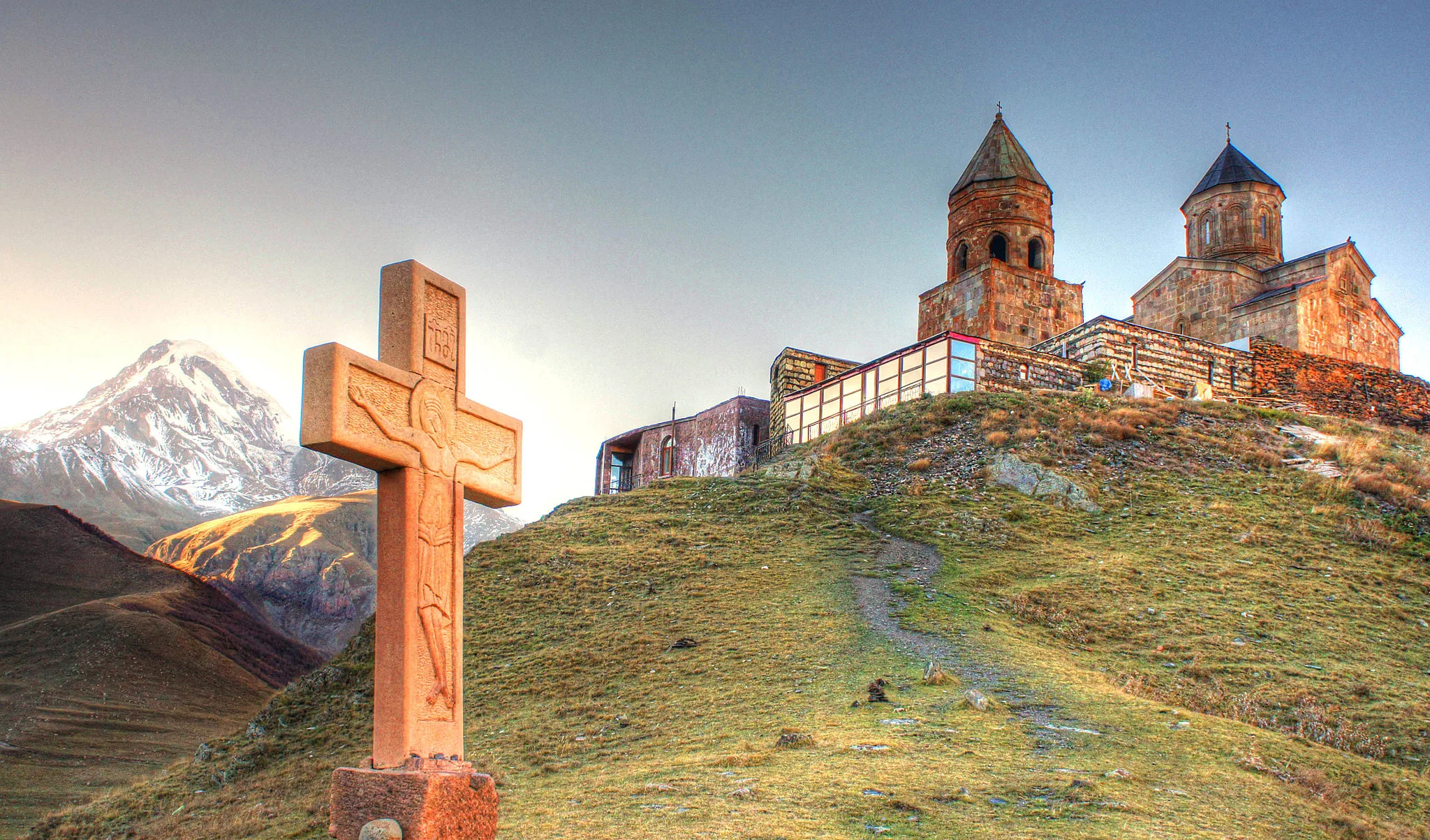
Georgian architecture represents a unique fusion of influences from East and West, creating a distinctive style that has evolved over centuries. From ancient churches and fortresses to modern urban developments, Georgian architecture tells the story of a nation that has served as a crossroads of civilizations while maintaining its own cultural identity. This architectural heritage reflects Georgia's complex history, religious traditions, and artistic sensibilities, offering visitors a fascinating glimpse into the country's cultural evolution. The earliest examples of Georgian architecture date back to the pre-Christian era, with structures that demonstrate sophisticated building techniques and artistic sensibilities. These early buildings, often constructed of stone and featuring intricate carvings, set the foundation for later architectural developments. Georgian Orthodox architecture represents one of the most distinctive aspects of the country's architectural heritage. The development of Georgian church architecture began in the early Christian period and reached its peak during the medieval era. Key characteristics of Georgian church architecture include central dome design, stone construction, fresco paintings, and bell towers. Notable examples include the Svetitskhoveli Cathedral in Mtskheta, the Gelati Monastery near Kutaisi, and the Gergeti Trinity Church in the mountains of Kazbegi. Georgia's strategic location and turbulent history necessitated the development of sophisticated defensive architecture. Fortresses and defensive towers were constructed throughout the country, particularly in mountainous regions where they served both military and residential purposes. The most famous examples are the Svan towers, found in the mountainous region of Svaneti. These tall, narrow towers were built as both defensive structures and family residences, featuring multiple stories and narrow windows designed to provide protection while allowing for habitation. Georgian urban architecture reflects the country's position as a crossroads of trade and culture. Cities like Tbilisi, Kutaisi, and Batumi developed distinctive architectural styles that combined local traditions with influences from neighboring regions. Traditional Georgian urban architecture features balconied houses, courtyard design, ornamental details, and adaptation to climate. In recent decades, Georgia has experienced significant urban development, with new architectural projects that blend traditional elements with modern design principles. This contemporary architecture reflects Georgia's aspirations for modernization while respecting its cultural heritage. Georgia's diverse geography and cultural history have resulted in distinct architectural traditions in different regions of the country. Each region has developed its own architectural style while maintaining connections to the broader Georgian architectural tradition. Georgia's architectural heritage faces challenges from development, environmental factors, and the passage of time. However, significant efforts are being made to preserve and restore important architectural sites. Georgian architecture serves as a powerful expression of national identity, reflecting the country's history, values, and aspirations. Architectural styles and techniques have been passed down through generations, creating a living connection between past and present. Georgia's architectural heritage has gained international recognition, with several sites designated as UNESCO World Heritage sites. This recognition helps protect important architectural sites while promoting international understanding of Georgian culture and history. As Georgia continues to develop and modernize, its architecture will likely continue to evolve, blending traditional elements with contemporary needs and influences. This evolution will be guided by sustainability, cultural preservation, international collaboration, and technological innovation. For visitors interested in experiencing Georgia's architectural heritage, several approaches are recommended including guided tours, museum visits, regional exploration, and documentation. Georgian architecture represents a living tradition that continues to evolve while maintaining connections to the past. From ancient churches to modern developments, this architectural heritage tells the story of a nation that has successfully balanced tradition with innovation. As Georgia looks to the future, its architectural traditions will continue to play a vital role in shaping the country's cultural identity and urban development. The preservation and evolution of this architectural heritage ensures that future generations will be able to appreciate and learn from Georgia's rich architectural legacy. Whether exploring ancient churches, traditional houses, or modern developments, visitors to Georgia can experience a unique architectural journey that reflects the country's complex history and bright future.
Это всестороннее исследование georgian architecture: from ancient churches to modern design раскрывает глубину и сложность грузинской культуры и наследия. Через детальное изучение исторического развития, современного значения и будущих перспектив мы получаем более глубокое понимание того, как этот аспект грузинской жизни продолжает развиваться и адаптироваться к современным вызовам, одновременно поддерживая свой существенный характер и культурную аутентичность.
Это всестороннее исследование georgian architecture: from ancient churches to modern design раскрывает глубину и сложность грузинской культуры и наследия. Через детальное изучение исторического развития, современного значения и будущих перспектив мы получаем более глубокое понимание того, как этот аспект грузинской жизни продолжает развиваться и адаптироваться к современным вызовам, одновременно поддерживая свой существенный характер и культурную аутентичность.