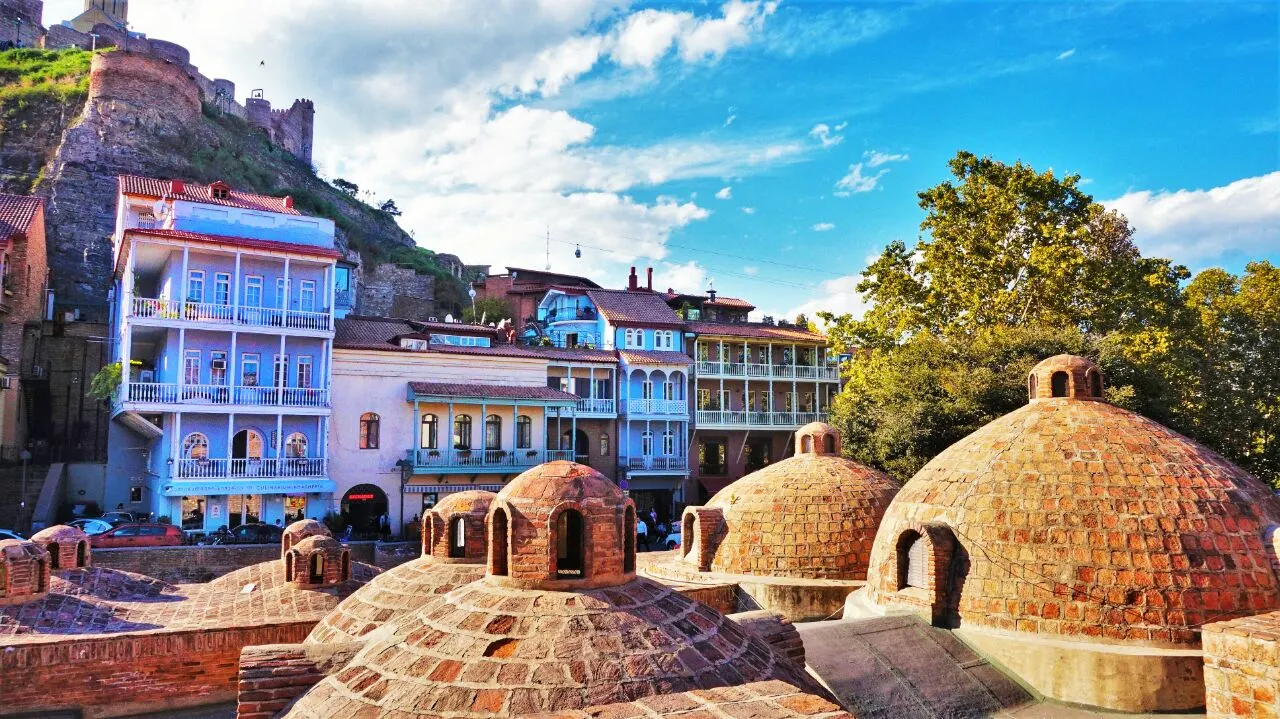
Nestled at the crossroads of Europe and Asia, Tbilisi — the capital of Georgia — is a city of contrasts, where centuries-old traditions blend harmoniously with modern life. At the very heart of this vibrant metropolis lies the Old Town, a labyrinth of cobbled streets, colorful balconies, ancient churches, and hidden courtyards. Known locally as Dzveli Tbilisi, the Old Town is undergoing a true renaissance, attracting travelers, artists, and entrepreneurs eager to experience its charm and potential.
Whether you're a history buff, foodie, photographer, or simply someone looking to soak up authentic atmosphere, the Old Town is a must-see destination. Here is your complete guide to exploring the renaissance of Tbilisi's historic heart.
The Timeless Allure of Old Tbilisi
Old Tbilisi stretches along the banks of the Kura River (Mtkvari) and up the hillsides, dominated by the striking Narikala Fortress, which has watched over the city since the 4th century. Walking through the Old Town feels like stepping back in time — narrow alleys wind between colorful 19th-century houses, their iconic wooden balconies draped with grapevines.
What makes this area so special is its unique mix of cultures and religions, reflecting Tbilisi's long history as a meeting point between East and West. Here, you'll find Georgian Orthodox churches, a centuries-old mosque, an Armenian cathedral, a synagogue, and even Persian-style baths — all within walking distance.
A Renaissance in the Making
After years of neglect during the Soviet era, Tbilisi's Old Town has seen a remarkable revival in recent decades. Restoration projects, creative initiatives, and a growing tourist industry have breathed new life into its crumbling facades. Many of the iconic buildings have been lovingly renovated, turning into boutique hotels, cozy cafés, art galleries, and craft shops while preserving their authentic character.
Strolling through today's Old Town, you'll find beautifully restored houses alongside atmospheric ruins, creating a perfect backdrop for your travel photos and an authentic sense of history in motion.
Top Sights and Experiences
Here are some highlights you won't want to miss when visiting the Old Town:
1. Narikala Fortress
Climb (or take the cable car) to the top of this ancient fortress for panoramic views over the city and river. It's especially magical at sunset, when the red roofs of the Old Town glow in the fading light.
2. Abanotubani Sulfur Baths
These distinctive domed bathhouses have soothed weary travelers for centuries. Treat yourself to a hot sulfur bath and a traditional scrub — it's an unforgettable experience.
3. Anchiskhati Basilica
Dating back to the 6th century, this is the oldest surviving church in Tbilisi, known for its simple beauty and serene atmosphere.
4. Shardeni Street
For a lively evening out, head to Shardeni Street and its surrounding alleys, packed with wine bars, restaurants, and outdoor terraces where you can sip Georgian wine and sample traditional khinkali dumplings.
5. Hidden Courtyards and Balconies
One of the most enchanting aspects of Old Tbilisi is exploring its hidden corners — peek into courtyards, admire the intricate wooden balconies, and don't be afraid to get lost in the maze-like streets.
The Creative Spirit of Tbilisi
The Old Town has also become a hub for Georgia's thriving creative scene. Young artists, designers, and musicians have set up studios, galleries, and performance spaces in the area, contributing to its unique energy. Festivals, open-air concerts, and art markets are regular occurrences, making every visit a little different.
If you're looking for souvenirs, skip the mass-produced trinkets and seek out local crafts — hand-painted ceramics, enamel jewelry, and traditional textiles can be found in charming little shops scattered throughout the district.
Tips for Visiting
Wear comfortable shoes: The streets are steep and uneven in places.
Stay overnight: There are plenty of boutique hotels and guesthouses offering a chance to wake up right in the heart of the action.
Try the food: Don't miss the chance to try traditional Georgian cuisine at one of the many family-run restaurants.
Visit early or late: Mornings and evenings tend to be quieter, perfect for wandering without the crowds.
Bring a camera: Every corner seems designed for a postcard-worthy shot!
A Journey Through Time
Tbilisi's Old Town is more than just a tourist attraction — it's a living, breathing testament to Georgia's rich history and resilient spirit. Its ongoing renaissance is a symbol of how a city can honor its past while embracing the future. As you wander through its colorful streets, you'll find yourself enchanted not only by its beauty but by the warmth of its people and the stories hidden in its walls.
Whether it's your first visit or your tenth, the magic of Old Tbilisi never fades. So next time you find yourself in Georgia, be sure to lose yourself in the historic heart of Tbilisi — a city reborn, yet timeless.
This comprehensive exploration of tbilisi old town renaissance: a complete guide to georgia's historic heart reveals the depth and complexity of Georgian culture and heritage. Through detailed examination of historical development, contemporary significance, and future prospects, we gain a deeper understanding of how this aspect of Georgian life continues to evolve and adapt to modern challenges while maintaining its essential character and cultural authenticity.
The rich tapestry of Georgian traditions, from ancient practices to modern innovations, demonstrates the remarkable resilience and adaptability of Georgian culture. These traditions serve not only as links to the past but also as foundations for future development, ensuring that Georgian cultural heritage remains vibrant and relevant in an increasingly globalized world.
As Georgia continues to engage with international communities and address contemporary challenges, these cultural elements will likely continue to evolve while maintaining their distinctive character and significance. The balance between preservation and innovation, tradition and modernity, will be crucial for ensuring the continued vitality of Georgian cultural heritage.
The future of Georgian culture looks promising, with new generations building on traditional foundations while exploring new possibilities for expression and development. This dynamic engagement with both tradition and innovation ensures that Georgian cultural heritage will continue to flourish and contribute to the broader development of world culture and society.
Whether you're a history buff, foodie, photographer, or simply someone looking to soak up authentic atmosphere, the Old Town is a must-see destination. Here is your complete guide to exploring the renaissance of Tbilisi's historic heart.
The Timeless Allure of Old Tbilisi
Old Tbilisi stretches along the banks of the Kura River (Mtkvari) and up the hillsides, dominated by the striking Narikala Fortress, which has watched over the city since the 4th century. Walking through the Old Town feels like stepping back in time — narrow alleys wind between colorful 19th-century houses, their iconic wooden balconies draped with grapevines.
What makes this area so special is its unique mix of cultures and religions, reflecting Tbilisi's long history as a meeting point between East and West. Here, you'll find Georgian Orthodox churches, a centuries-old mosque, an Armenian cathedral, a synagogue, and even Persian-style baths — all within walking distance.
A Renaissance in the Making
After years of neglect during the Soviet era, Tbilisi's Old Town has seen a remarkable revival in recent decades. Restoration projects, creative initiatives, and a growing tourist industry have breathed new life into its crumbling facades. Many of the iconic buildings have been lovingly renovated, turning into boutique hotels, cozy cafés, art galleries, and craft shops while preserving their authentic character.
Strolling through today's Old Town, you'll find beautifully restored houses alongside atmospheric ruins, creating a perfect backdrop for your travel photos and an authentic sense of history in motion.
Top Sights and Experiences
Here are some highlights you won't want to miss when visiting the Old Town:
1. Narikala Fortress
Climb (or take the cable car) to the top of this ancient fortress for panoramic views over the city and river. It's especially magical at sunset, when the red roofs of the Old Town glow in the fading light.
2. Abanotubani Sulfur Baths
These distinctive domed bathhouses have soothed weary travelers for centuries. Treat yourself to a hot sulfur bath and a traditional scrub — it's an unforgettable experience.
3. Anchiskhati Basilica
Dating back to the 6th century, this is the oldest surviving church in Tbilisi, known for its simple beauty and serene atmosphere.
4. Shardeni Street
For a lively evening out, head to Shardeni Street and its surrounding alleys, packed with wine bars, restaurants, and outdoor terraces where you can sip Georgian wine and sample traditional khinkali dumplings.
5. Hidden Courtyards and Balconies
One of the most enchanting aspects of Old Tbilisi is exploring its hidden corners — peek into courtyards, admire the intricate wooden balconies, and don't be afraid to get lost in the maze-like streets.
The Creative Spirit of Tbilisi
The Old Town has also become a hub for Georgia's thriving creative scene. Young artists, designers, and musicians have set up studios, galleries, and performance spaces in the area, contributing to its unique energy. Festivals, open-air concerts, and art markets are regular occurrences, making every visit a little different.
If you're looking for souvenirs, skip the mass-produced trinkets and seek out local crafts — hand-painted ceramics, enamel jewelry, and traditional textiles can be found in charming little shops scattered throughout the district.
Tips for Visiting
Wear comfortable shoes: The streets are steep and uneven in places.
Stay overnight: There are plenty of boutique hotels and guesthouses offering a chance to wake up right in the heart of the action.
Try the food: Don't miss the chance to try traditional Georgian cuisine at one of the many family-run restaurants.
Visit early or late: Mornings and evenings tend to be quieter, perfect for wandering without the crowds.
Bring a camera: Every corner seems designed for a postcard-worthy shot!
A Journey Through Time
Tbilisi's Old Town is more than just a tourist attraction — it's a living, breathing testament to Georgia's rich history and resilient spirit. Its ongoing renaissance is a symbol of how a city can honor its past while embracing the future. As you wander through its colorful streets, you'll find yourself enchanted not only by its beauty but by the warmth of its people and the stories hidden in its walls.
Whether it's your first visit or your tenth, the magic of Old Tbilisi never fades. So next time you find yourself in Georgia, be sure to lose yourself in the historic heart of Tbilisi — a city reborn, yet timeless.
This comprehensive exploration of tbilisi old town renaissance: a complete guide to georgia's historic heart reveals the depth and complexity of Georgian culture and heritage. Through detailed examination of historical development, contemporary significance, and future prospects, we gain a deeper understanding of how this aspect of Georgian life continues to evolve and adapt to modern challenges while maintaining its essential character and cultural authenticity.
The rich tapestry of Georgian traditions, from ancient practices to modern innovations, demonstrates the remarkable resilience and adaptability of Georgian culture. These traditions serve not only as links to the past but also as foundations for future development, ensuring that Georgian cultural heritage remains vibrant and relevant in an increasingly globalized world.
As Georgia continues to engage with international communities and address contemporary challenges, these cultural elements will likely continue to evolve while maintaining their distinctive character and significance. The balance between preservation and innovation, tradition and modernity, will be crucial for ensuring the continued vitality of Georgian cultural heritage.
The future of Georgian culture looks promising, with new generations building on traditional foundations while exploring new possibilities for expression and development. This dynamic engagement with both tradition and innovation ensures that Georgian cultural heritage will continue to flourish and contribute to the broader development of world culture and society.