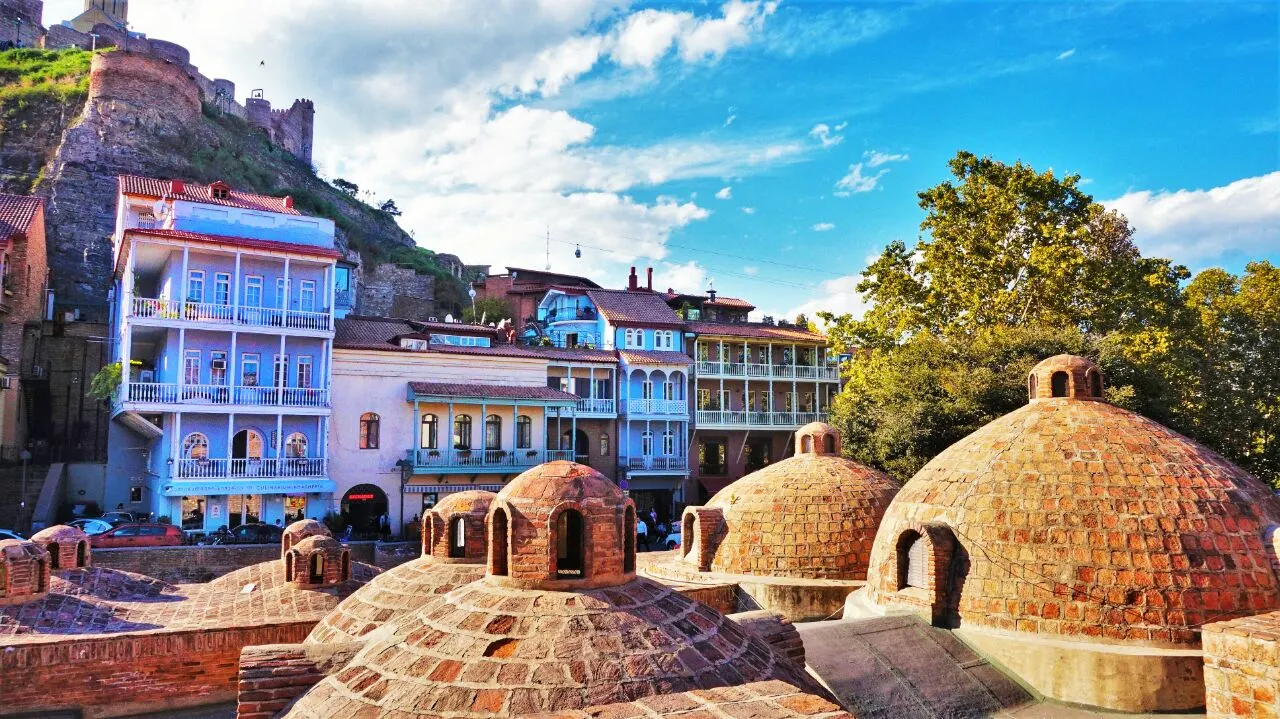
Nestled in the heart of Georgia's capital, Tbilisi's sulfur baths stand as a remarkable testament to centuries of tradition, healing, and social connection. These historic bathhouses, fueled by natural hot sulfur springs, have long been a place where locals and visitors alike come to relax, rejuvenate, and socialize — making them a vital part of the city's cultural and wellness landscape.
In this article, we'll explore the fascinating history, therapeutic benefits, and cultural significance of Tbilisi's sulfur baths, inviting you to discover why they remain a beloved tradition in modern times.
A Historical Oasis in the City
Tbilisi's sulfur baths, located primarily in the Abanotubani district, trace their origins back over 1,500 years. The city itself was founded around natural hot springs, and these baths quickly became a central hub for health and community life.
Throughout the centuries, the baths have been visited by royalty, poets, and travelers, all drawn by the reputed healing powers of the mineral-rich waters. The distinctive domed architecture, designed to maximize the therapeutic experience, adds to the enchanting atmosphere of these centuries-old establishments.
Healing Powers of Sulfur Springs
The sulfur-rich waters of Tbilisi's baths are known for their numerous health benefits. For generations, locals have turned to these springs to treat skin conditions, respiratory ailments, arthritis, and muscle pain.
The warm mineral water helps to improve circulation, detoxify the body, and soothe inflammation. Many visitors also report a deep sense of relaxation and mental clarity after their bath, highlighting the holistic benefits of this ancient therapy.
Social Ritual and Community Connection
Beyond health, the sulfur baths are an essential social space. Traditionally, Georgians gather here not only to bathe but to converse, build relationships, and celebrate milestones.
The baths often serve as informal meeting places, where friendships are forged and stories shared. It's common to find people from different walks of life — elders, artists, merchants, and travelers — mingling in a relaxed, welcoming environment.
The Bathing Experience
A visit to Tbilisi's sulfur baths is more than just a soak; it's a full sensory ritual. Bathers move through a sequence of heated rooms, starting with warm pools and gradually progressing to hotter steam chambers.
Many opt for a traditional scrub and massage, often performed by skilled attendants, which helps exfoliate the skin and enhance the therapeutic effects of the water. The wooden interiors, the smell of mineral-rich steam, and the sound of flowing water combine to create a uniquely calming atmosphere.
Modern Revival and Tourism
In recent years, Tbilisi's sulfur baths have seen a renaissance. Restorations and modernization efforts have helped preserve the historic charm while improving facilities to meet contemporary standards.
Today, the baths attract not only locals but also tourists eager to experience this authentic aspect of Georgian culture. Many bathhouses offer packages combining bathing with spa treatments, herbal teas, and traditional cuisine — creating a full wellness experience.
Tips for Visitors
Choose your bathhouse wisely: Each bathhouse has its own character, atmosphere, and price range. Research or ask locals for recommendations.
Respect local customs: Modesty and etiquette are important — swimwear is often required, and loud behavior is discouraged.
Try the scrub: The traditional bath attendant's exfoliation is highly recommended for first-time visitors.
Hydrate: Drinking herbal tea or water after the bath helps with detoxification and relaxation.
Go with friends: The communal aspect makes the experience more enjoyable and memorable.
Conclusion: A Timeless Tradition
Tbilisi's sulfur baths are much more than just a place to wash; they represent centuries of healing wisdom, cultural ritual, and social bonding. Whether you seek physical relief, mental peace, or simply a unique cultural experience, these baths offer an unforgettable journey into the heart of Georgian life.
Next time you visit Tbilisi, make sure to immerse yourself in this historic tradition — your body and soul will thank you.
This comprehensive exploration of tbilisi's sulfur baths: centuries of healing and social ritual reveals the depth and complexity of Georgian culture and heritage. Through detailed examination of historical development, contemporary significance, and future prospects, we gain a deeper understanding of how this aspect of Georgian life continues to evolve and adapt to modern challenges while maintaining its essential character and cultural authenticity.
The rich tapestry of Georgian traditions, from ancient practices to modern innovations, demonstrates the remarkable resilience and adaptability of Georgian culture. These traditions serve not only as links to the past but also as foundations for future development, ensuring that Georgian cultural heritage remains vibrant and relevant in an increasingly globalized world.
As Georgia continues to engage with international communities and address contemporary challenges, these cultural elements will likely continue to evolve while maintaining their distinctive character and significance. The balance between preservation and innovation, tradition and modernity, will be crucial for ensuring the continued vitality of Georgian cultural heritage.
The future of Georgian culture looks promising, with new generations building on traditional foundations while exploring new possibilities for expression and development. This dynamic engagement with both tradition and innovation ensures that Georgian cultural heritage will continue to flourish and contribute to the broader development of world culture and society.
In this article, we'll explore the fascinating history, therapeutic benefits, and cultural significance of Tbilisi's sulfur baths, inviting you to discover why they remain a beloved tradition in modern times.
A Historical Oasis in the City
Tbilisi's sulfur baths, located primarily in the Abanotubani district, trace their origins back over 1,500 years. The city itself was founded around natural hot springs, and these baths quickly became a central hub for health and community life.
Throughout the centuries, the baths have been visited by royalty, poets, and travelers, all drawn by the reputed healing powers of the mineral-rich waters. The distinctive domed architecture, designed to maximize the therapeutic experience, adds to the enchanting atmosphere of these centuries-old establishments.
Healing Powers of Sulfur Springs
The sulfur-rich waters of Tbilisi's baths are known for their numerous health benefits. For generations, locals have turned to these springs to treat skin conditions, respiratory ailments, arthritis, and muscle pain.
The warm mineral water helps to improve circulation, detoxify the body, and soothe inflammation. Many visitors also report a deep sense of relaxation and mental clarity after their bath, highlighting the holistic benefits of this ancient therapy.
Social Ritual and Community Connection
Beyond health, the sulfur baths are an essential social space. Traditionally, Georgians gather here not only to bathe but to converse, build relationships, and celebrate milestones.
The baths often serve as informal meeting places, where friendships are forged and stories shared. It's common to find people from different walks of life — elders, artists, merchants, and travelers — mingling in a relaxed, welcoming environment.
The Bathing Experience
A visit to Tbilisi's sulfur baths is more than just a soak; it's a full sensory ritual. Bathers move through a sequence of heated rooms, starting with warm pools and gradually progressing to hotter steam chambers.
Many opt for a traditional scrub and massage, often performed by skilled attendants, which helps exfoliate the skin and enhance the therapeutic effects of the water. The wooden interiors, the smell of mineral-rich steam, and the sound of flowing water combine to create a uniquely calming atmosphere.
Modern Revival and Tourism
In recent years, Tbilisi's sulfur baths have seen a renaissance. Restorations and modernization efforts have helped preserve the historic charm while improving facilities to meet contemporary standards.
Today, the baths attract not only locals but also tourists eager to experience this authentic aspect of Georgian culture. Many bathhouses offer packages combining bathing with spa treatments, herbal teas, and traditional cuisine — creating a full wellness experience.
Tips for Visitors
Choose your bathhouse wisely: Each bathhouse has its own character, atmosphere, and price range. Research or ask locals for recommendations.
Respect local customs: Modesty and etiquette are important — swimwear is often required, and loud behavior is discouraged.
Try the scrub: The traditional bath attendant's exfoliation is highly recommended for first-time visitors.
Hydrate: Drinking herbal tea or water after the bath helps with detoxification and relaxation.
Go with friends: The communal aspect makes the experience more enjoyable and memorable.
Conclusion: A Timeless Tradition
Tbilisi's sulfur baths are much more than just a place to wash; they represent centuries of healing wisdom, cultural ritual, and social bonding. Whether you seek physical relief, mental peace, or simply a unique cultural experience, these baths offer an unforgettable journey into the heart of Georgian life.
Next time you visit Tbilisi, make sure to immerse yourself in this historic tradition — your body and soul will thank you.
This comprehensive exploration of tbilisi's sulfur baths: centuries of healing and social ritual reveals the depth and complexity of Georgian culture and heritage. Through detailed examination of historical development, contemporary significance, and future prospects, we gain a deeper understanding of how this aspect of Georgian life continues to evolve and adapt to modern challenges while maintaining its essential character and cultural authenticity.
The rich tapestry of Georgian traditions, from ancient practices to modern innovations, demonstrates the remarkable resilience and adaptability of Georgian culture. These traditions serve not only as links to the past but also as foundations for future development, ensuring that Georgian cultural heritage remains vibrant and relevant in an increasingly globalized world.
As Georgia continues to engage with international communities and address contemporary challenges, these cultural elements will likely continue to evolve while maintaining their distinctive character and significance. The balance between preservation and innovation, tradition and modernity, will be crucial for ensuring the continued vitality of Georgian cultural heritage.
The future of Georgian culture looks promising, with new generations building on traditional foundations while exploring new possibilities for expression and development. This dynamic engagement with both tradition and innovation ensures that Georgian cultural heritage will continue to flourish and contribute to the broader development of world culture and society.
