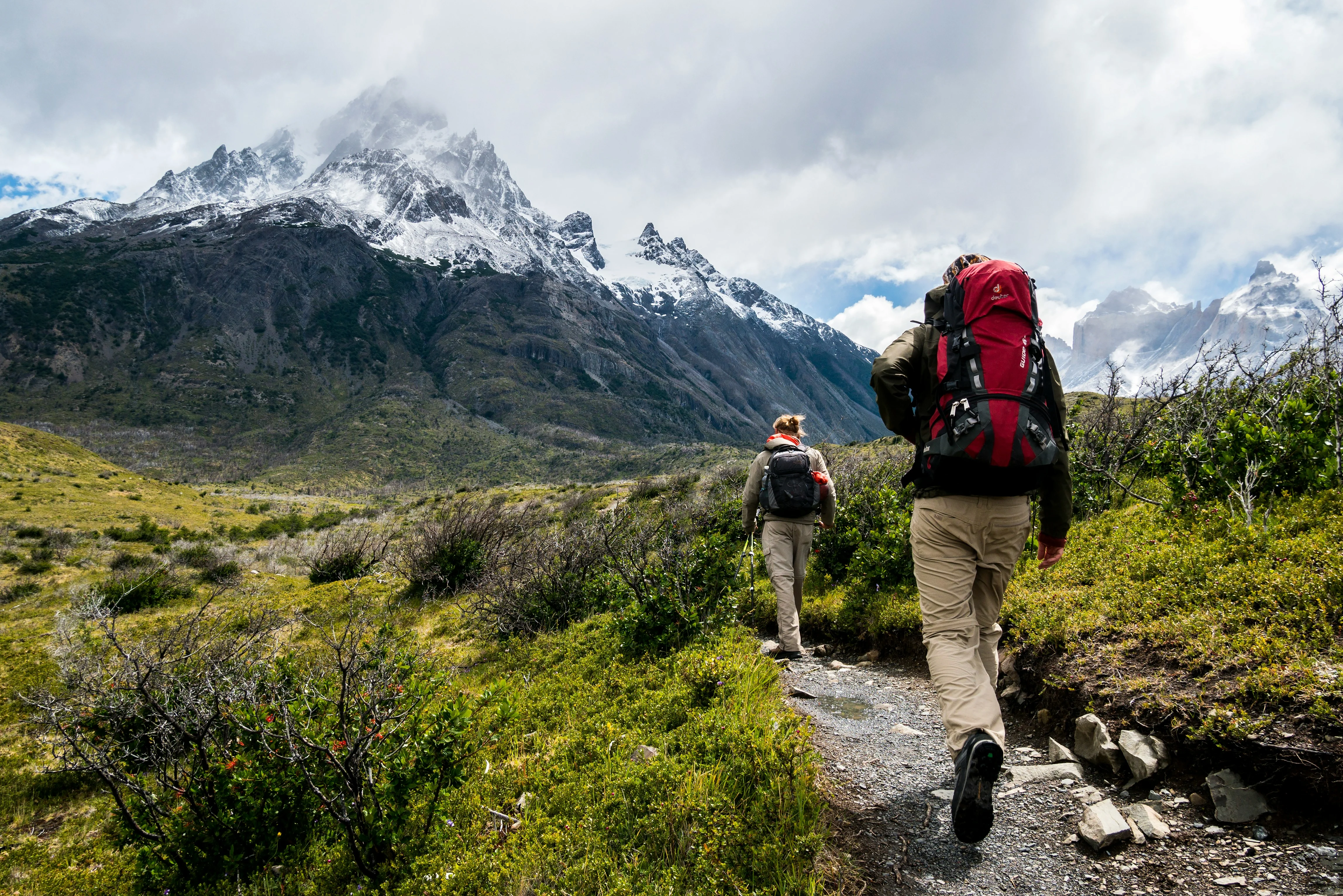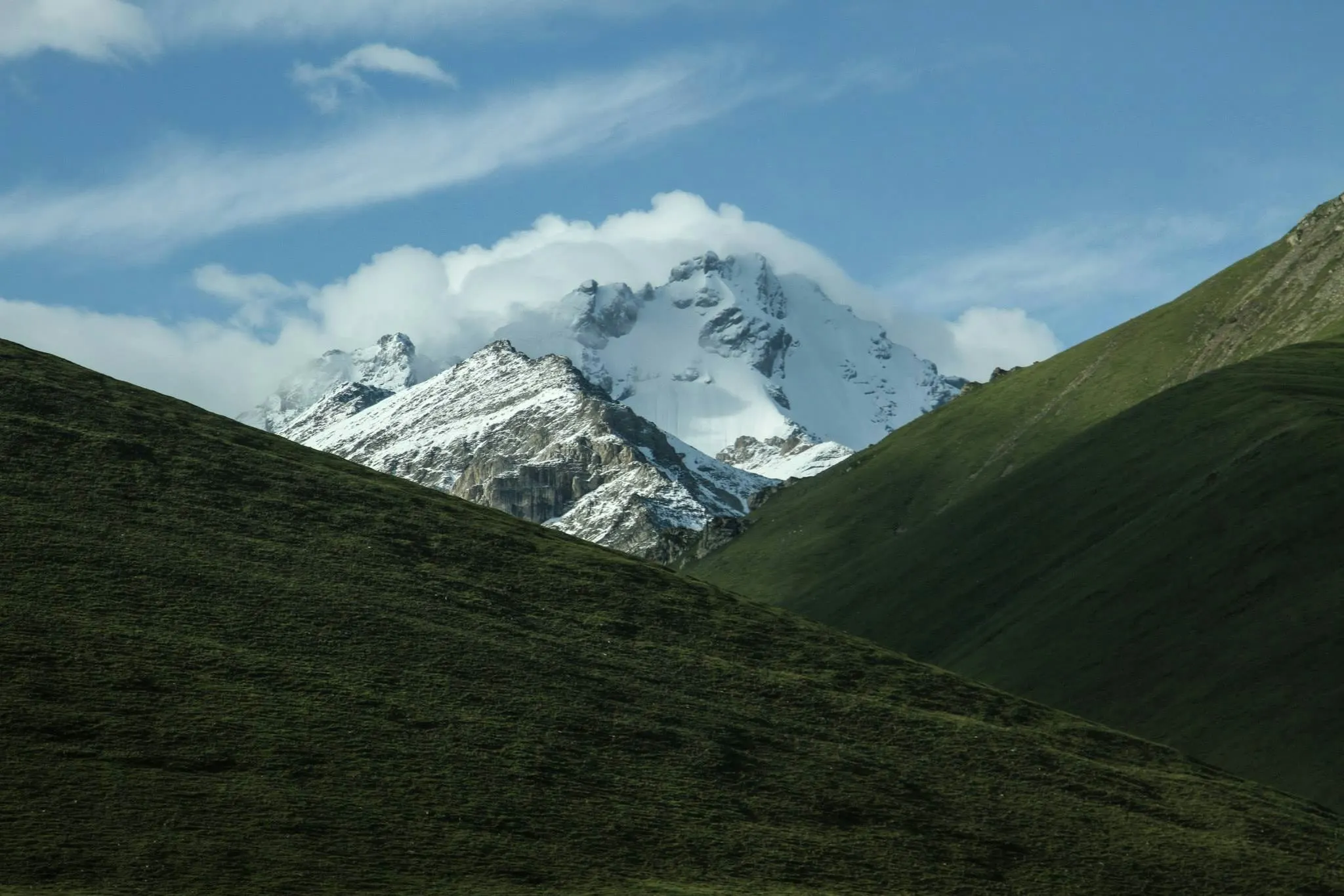
Georgia's mountain landscapes are among the most spectacular in the world, offering visitors a chance to explore pristine wilderness, ancient villages, and breathtaking vistas. The Caucasus Mountains, which form Georgia's northern border, provide endless opportunities for adventure, cultural discovery, and natural wonder.
From the towering peaks of Svaneti to the rolling hills of Tusheti, each mountain region has its own unique character and charm. Whether you're an experienced mountaineer or a casual hiker, Georgia's mountains offer something for everyone.
The Caucasus Range: A Natural Wonder
The Caucasus Mountains stretch across Georgia's northern border, creating a natural barrier between Europe and Asia. These mountains are home to some of the highest peaks in Europe, including Mount Shkhara (5,201 meters) and Mount Kazbek (5,047 meters).
The range is characterized by its dramatic topography, with steep cliffs, deep valleys, and pristine glaciers. The mountains are also home to a rich diversity of flora and fauna, including rare species found nowhere else in the world.
Svaneti: The Crown Jewel of Georgian Mountains
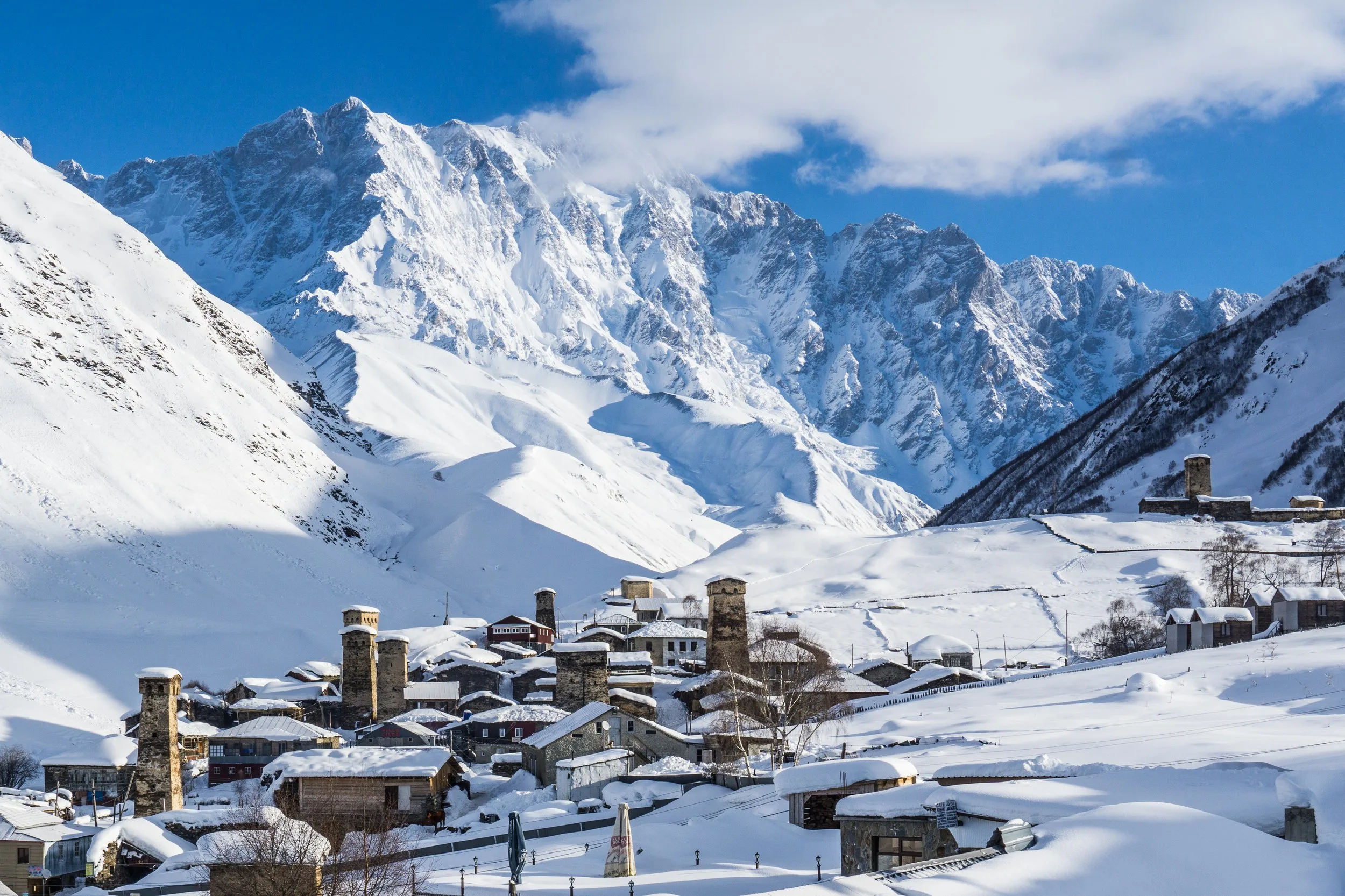
Svaneti is perhaps Georgia's most famous mountain region, known for its dramatic peaks, traditional stone towers, and ancient villages. The region is home to Mount Ushba, one of the most challenging peaks in the Caucasus, and offers some of the best hiking and climbing opportunities in Georgia.
Key attractions in Svaneti include:
Mestia: The regional capital, a charming town with traditional architecture and modern amenities
Ushguli: Europe's highest permanently inhabited village, a UNESCO World Heritage site
Chalaadi Glacier: An accessible glacier offering stunning views and hiking opportunities
Traditional Svan towers: Ancient defensive structures that dot the landscape
Kazbegi: Alpine Adventures
Kazbegi (now called Stepantsminda) is another popular mountain destination, known for its iconic Mount Kazbek and the Gergeti Trinity Church. The region offers excellent hiking, climbing, and cultural experiences.
Highlights include:
Mount Kazbek: One of Georgia's most famous peaks, offering challenging climbing routes
Gergeti Trinity Church: A stunning church perched on a hilltop with panoramic views
Juta Valley: A beautiful valley perfect for hiking and camping
Truso Valley: A less-visited but equally stunning area with colorful mineral springs
Tusheti: Remote Wilderness
Tusheti is one of Georgia's most remote and pristine mountain regions, accessible only by a challenging mountain road that's open only in summer. The region is known for its traditional villages, stunning landscapes, and authentic cultural experiences.
Key features of Tusheti include:
Traditional villages: Ancient settlements with stone houses and defensive towers
Alpine meadows: Beautiful high-altitude grasslands perfect for hiking
Traditional culture: Authentic mountain culture with ancient customs and traditions
Wildlife: Opportunities to see rare species including the Caucasian tur and golden eagle
Racha: Hidden Gem of the Caucasus
Racha is a lesser-known but equally beautiful mountain region in western Georgia. The area is known for its pristine forests, crystal-clear lakes, and traditional villages.
Attractions in Racha include:
Shaori Lake: A beautiful alpine lake surrounded by forests
Traditional villages: Ancient settlements with unique architecture
Forest trails: Excellent hiking opportunities through pristine wilderness
Cultural heritage: Rich traditions and customs preserved for generations
Practical Information for Mountain Travel
Best Time to Visit
The mountain regions of Georgia are best visited during the summer months (June to September), when the weather is most favorable and the mountain passes are open. However, each season offers its own unique experiences:
Spring (May-June): Wildflowers bloom and the mountains come alive with color
Summer (July-August): Peak season with the most reliable weather and open trails
Autumn (September-October): Beautiful fall colors and fewer crowds
Winter (November-April): Snow-covered peaks and winter sports opportunities
Getting There and Around
Most mountain regions are accessible by road, though some require 4x4 vehicles or special permits. Public transportation is limited, so many visitors choose to hire local guides or join organized tours.
Accommodation Options
Mountain regions offer various accommodation options:
Guesthouses: Family-run accommodations in traditional villages
Mountain huts: Basic shelters in remote areas
Camping: Permitted in most areas with proper permits
Hotels: Available in larger towns like Mestia and Stepantsminda
Safety Considerations
While Georgia's mountains are generally safe, visitors should:
Check weather conditions before setting out
Inform someone of their planned route and expected return time
Carry appropriate gear for changing weather conditions
Consider hiring local guides for remote areas
Respect local customs and traditions
Cultural Experiences in the Mountains
Georgia's mountain regions offer rich cultural experiences beyond their natural beauty:
Traditional villages: Ancient settlements with unique architecture and customs
Local cuisine: Traditional mountain dishes and hospitality
Cultural festivals: Traditional celebrations and events
Craft traditions: Local artisans creating traditional goods
Conservation and Sustainability
Georgia's mountain regions face challenges from climate change and development. Visitors can help by:
Staying on marked trails to avoid damaging vegetation
Carrying out all trash and waste
Supporting local communities by staying in guesthouses and buying local products
Respecting wildlife and natural habitats
Conclusion: A Mountain Paradise
Georgia's mountains offer some of the most rewarding travel experiences in the world, combining spectacular natural beauty with rich cultural heritage. Whether you're seeking adventure, cultural discovery, or simply a chance to connect with nature, Georgia's mountain regions have something to offer.
From the dramatic peaks of Svaneti to the remote wilderness of Tusheti, each mountain region tells its own story and offers its own unique experiences. So pack your hiking boots, grab your sense of adventure, and discover the magic of Georgia's mountain landscapes.
From the towering peaks of Svaneti to the rolling hills of Tusheti, each mountain region has its own unique character and charm. Whether you're an experienced mountaineer or a casual hiker, Georgia's mountains offer something for everyone.
The Caucasus Range: A Natural Wonder
The Caucasus Mountains stretch across Georgia's northern border, creating a natural barrier between Europe and Asia. These mountains are home to some of the highest peaks in Europe, including Mount Shkhara (5,201 meters) and Mount Kazbek (5,047 meters).
The range is characterized by its dramatic topography, with steep cliffs, deep valleys, and pristine glaciers. The mountains are also home to a rich diversity of flora and fauna, including rare species found nowhere else in the world.
Svaneti: The Crown Jewel of Georgian Mountains
Svaneti is perhaps Georgia's most famous mountain region, known for its dramatic peaks, traditional stone towers, and ancient villages. The region is home to Mount Ushba, one of the most challenging peaks in the Caucasus, and offers some of the best hiking and climbing opportunities in Georgia.
Key attractions in Svaneti include:
Mestia: The regional capital, a charming town with traditional architecture and modern amenities
Ushguli: Europe's highest permanently inhabited village, a UNESCO World Heritage site
Chalaadi Glacier: An accessible glacier offering stunning views and hiking opportunities
Traditional Svan towers: Ancient defensive structures that dot the landscape
Kazbegi: Alpine Adventures
Kazbegi (now called Stepantsminda) is another popular mountain destination, known for its iconic Mount Kazbek and the Gergeti Trinity Church. The region offers excellent hiking, climbing, and cultural experiences.
Highlights include:
Mount Kazbek: One of Georgia's most famous peaks, offering challenging climbing routes
Gergeti Trinity Church: A stunning church perched on a hilltop with panoramic views
Juta Valley: A beautiful valley perfect for hiking and camping
Truso Valley: A less-visited but equally stunning area with colorful mineral springs
Tusheti: Remote Wilderness
Tusheti is one of Georgia's most remote and pristine mountain regions, accessible only by a challenging mountain road that's open only in summer. The region is known for its traditional villages, stunning landscapes, and authentic cultural experiences.
Key features of Tusheti include:
Traditional villages: Ancient settlements with stone houses and defensive towers
Alpine meadows: Beautiful high-altitude grasslands perfect for hiking
Traditional culture: Authentic mountain culture with ancient customs and traditions
Wildlife: Opportunities to see rare species including the Caucasian tur and golden eagle
Racha: Hidden Gem of the Caucasus
Racha is a lesser-known but equally beautiful mountain region in western Georgia. The area is known for its pristine forests, crystal-clear lakes, and traditional villages.
Attractions in Racha include:
Shaori Lake: A beautiful alpine lake surrounded by forests
Traditional villages: Ancient settlements with unique architecture
Forest trails: Excellent hiking opportunities through pristine wilderness
Cultural heritage: Rich traditions and customs preserved for generations
Practical Information for Mountain Travel
Best Time to Visit
The mountain regions of Georgia are best visited during the summer months (June to September), when the weather is most favorable and the mountain passes are open. However, each season offers its own unique experiences:
Spring (May-June): Wildflowers bloom and the mountains come alive with color
Summer (July-August): Peak season with the most reliable weather and open trails
Autumn (September-October): Beautiful fall colors and fewer crowds
Winter (November-April): Snow-covered peaks and winter sports opportunities
Getting There and Around
Most mountain regions are accessible by road, though some require 4x4 vehicles or special permits. Public transportation is limited, so many visitors choose to hire local guides or join organized tours.
Accommodation Options
Mountain regions offer various accommodation options:
Guesthouses: Family-run accommodations in traditional villages
Mountain huts: Basic shelters in remote areas
Camping: Permitted in most areas with proper permits
Hotels: Available in larger towns like Mestia and Stepantsminda
Safety Considerations
While Georgia's mountains are generally safe, visitors should:
Check weather conditions before setting out
Inform someone of their planned route and expected return time
Carry appropriate gear for changing weather conditions
Consider hiring local guides for remote areas
Respect local customs and traditions
Cultural Experiences in the Mountains
Georgia's mountain regions offer rich cultural experiences beyond their natural beauty:
Traditional villages: Ancient settlements with unique architecture and customs
Local cuisine: Traditional mountain dishes and hospitality
Cultural festivals: Traditional celebrations and events
Craft traditions: Local artisans creating traditional goods
Conservation and Sustainability
Georgia's mountain regions face challenges from climate change and development. Visitors can help by:
Staying on marked trails to avoid damaging vegetation
Carrying out all trash and waste
Supporting local communities by staying in guesthouses and buying local products
Respecting wildlife and natural habitats
Conclusion: A Mountain Paradise
Georgia's mountains offer some of the most rewarding travel experiences in the world, combining spectacular natural beauty with rich cultural heritage. Whether you're seeking adventure, cultural discovery, or simply a chance to connect with nature, Georgia's mountain regions have something to offer.
From the dramatic peaks of Svaneti to the remote wilderness of Tusheti, each mountain region tells its own story and offers its own unique experiences. So pack your hiking boots, grab your sense of adventure, and discover the magic of Georgia's mountain landscapes.