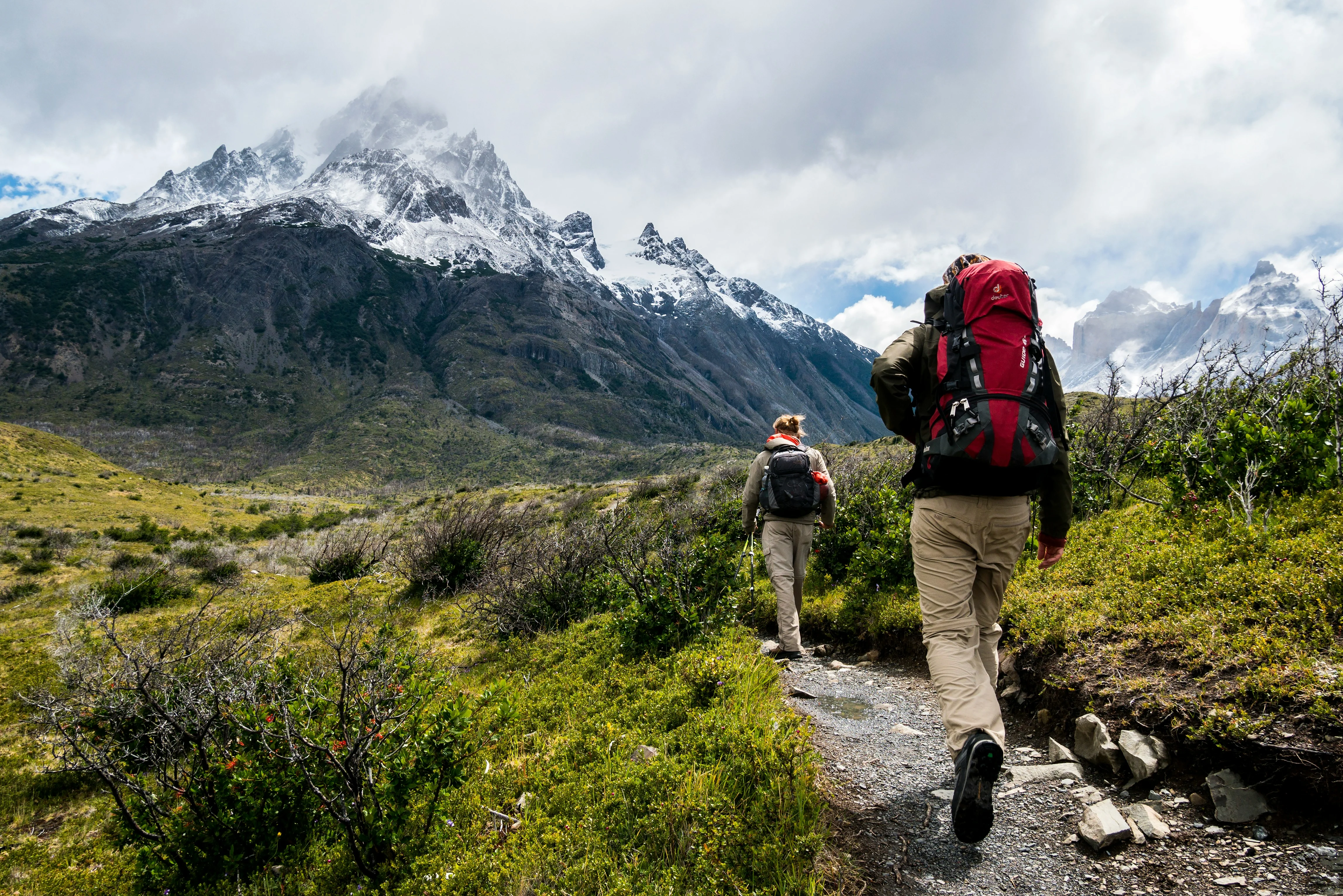
Georgia's dramatic landscapes, from snow-capped peaks to lush valleys, make it one of the most rewarding hiking destinations in the world. The Caucasus Mountains, which stretch across the country's northern border, offer trails for every level of experience, from gentle day hikes to challenging multi-day treks.
In this guide, we'll explore Georgia's most spectacular hiking regions, the best trails for different skill levels, and practical tips for making the most of your mountain adventure.
The Majesty of the Caucasus
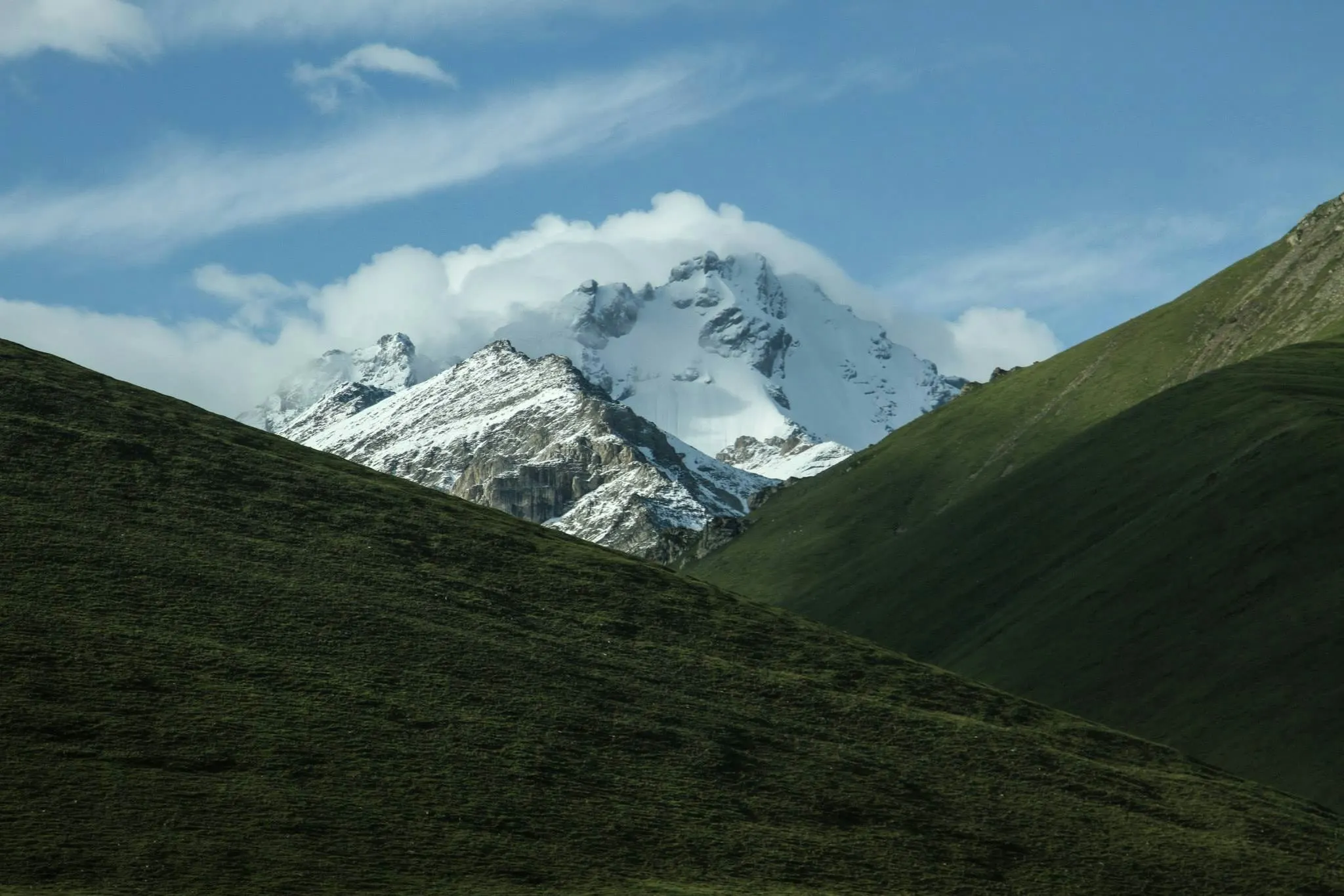
Georgia's portion of the Caucasus Mountains is home to some of the most breathtaking scenery in Europe. With peaks reaching over 5,000 meters (16,400 feet), these mountains offer a diverse range of hiking experiences, from gentle forest walks to challenging alpine ascents.
The region's unique geography creates distinct microclimates, supporting a rich variety of flora and fauna. Hikers can encounter everything from ancient forests and wildflower meadows to glacial lakes and rocky summits, all within relatively short distances.
Top Hiking Regions
Svaneti: The Crown Jewel of Georgian Hiking
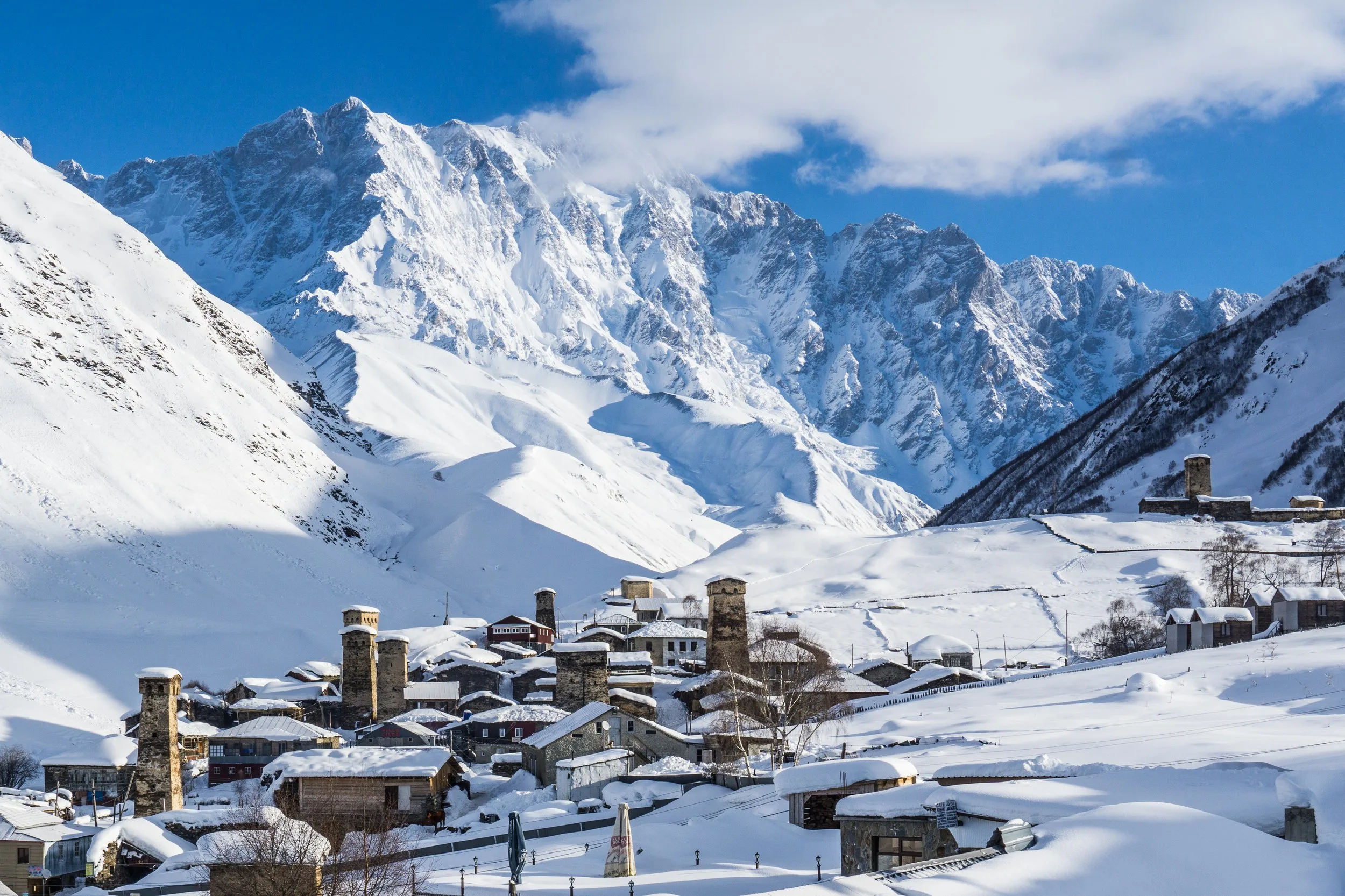
Svaneti, in northwestern Georgia, is perhaps the country's most famous hiking destination. This remote region is known for its dramatic peaks, traditional stone towers, and well-maintained trails that connect picturesque villages.
Key highlights include:
Mestia to Ushguli Trek: A classic 4-5 day trek that takes you through some of Georgia's most beautiful landscapes, passing through traditional Svan villages and offering stunning views of Mount Ushba.
Chalaadi Glacier: An accessible day hike that brings you close to a massive glacier, with opportunities to see ice caves and dramatic mountain scenery.
Koruldi Lakes: A moderate day hike offering panoramic views of the Caucasus and the opportunity to see the famous Svan towers from above.
Kazbegi: Alpine Adventures
Located in the eastern Caucasus, Kazbegi (now called Stepantsminda) is famous for its iconic Mount Kazbek and the Gergeti Trinity Church. This region offers some of Georgia's most accessible high-altitude hiking.
Must-visit trails include:
Gergeti Trinity Church: A popular day hike that takes you to the famous church perched on a hilltop, with spectacular views of Mount Kazbek.
Juta Valley: A beautiful valley hike that can be done as a day trip or extended into a multi-day trek, featuring alpine meadows and mountain streams.
Truso Valley: A less-visited but equally stunning valley with colorful mineral springs and abandoned villages.
Tusheti: Remote Wilderness
Tusheti, in northeastern Georgia, is one of the country's most remote and pristine regions. Accessible only by a challenging mountain road (open only in summer), it offers some of Georgia's most authentic hiking experiences.
Highlights include:
Omalo to Dartlo Trek: A multi-day trek through traditional villages and high mountain passes, offering insights into traditional Tushetian culture.
Aboano Valley: A beautiful valley hike with opportunities to see traditional stone houses and meet local shepherds.
Borzomi-Kharagauli National Park: Forest Adventures
For those who prefer forest hiking, this national park in central Georgia offers well-marked trails through diverse ecosystems, from dense forests to open meadows.
The park is particularly beautiful in spring when wildflowers are in bloom, and in autumn when the leaves change color.
Practical Tips for Hiking in Georgia
Best Time to Visit
The hiking season in Georgia typically runs from late May to early October, with the peak season being July and August. However, different regions have different optimal times:
Spring (May-June): Best for wildflowers and moderate temperatures
Summer (July-August): Peak season with the most reliable weather
Autumn (September-October): Beautiful fall colors and fewer crowds
What to Pack
Essential items for hiking in Georgia include:
Sturdy hiking boots with good ankle support
Layered clothing for changing weather conditions
Waterproof gear (rain is common in the mountains)
Navigation tools (maps, GPS, or guide)
First aid kit and emergency supplies
Plenty of water and high-energy snacks
Safety Considerations
While Georgia's mountains are generally safe for hiking, it's important to:
Check weather conditions before setting out
Inform someone of your planned route and expected return time
Carry emergency contact information
Be prepared for rapidly changing weather conditions
Consider hiring a local guide for remote areas
Accommodation Options
Georgia offers various accommodation options for hikers:
Guesthouses: Family-run accommodations in mountain villages
Mountain huts: Basic shelters in remote areas
Camping: Permitted in most areas, but check local regulations
Hotels: Available in larger towns like Mestia and Stepantsminda
Cultural Aspects of Hiking
Hiking in Georgia is not just about the physical challenge — it's also a cultural experience. Many trails pass through traditional villages where you can:
Meet local families and learn about traditional mountain life
Sample local cuisine and wine
Learn about the region's history and folklore
Experience traditional hospitality
Responsible Hiking
To help preserve Georgia's beautiful mountain environments:
Stay on marked trails to avoid damaging vegetation
Carry out all trash and waste
Respect local customs and traditions
Support local communities by staying in guesthouses and buying local products
Conclusion: A Hiker's Paradise
Georgia's mountains offer some of the most rewarding hiking experiences in the world, combining spectacular natural beauty with rich cultural heritage. Whether you're a seasoned mountaineer or a casual hiker, the Caucasus Mountains have something to offer everyone.
From the dramatic peaks of Svaneti to the alpine meadows of Kazbegi, every trail tells a story of Georgia's natural wonders and human resilience. So lace up your boots, pack your sense of adventure, and discover why Georgia is becoming one of Europe's premier hiking destinations.
In this guide, we'll explore Georgia's most spectacular hiking regions, the best trails for different skill levels, and practical tips for making the most of your mountain adventure.
The Majesty of the Caucasus
Georgia's portion of the Caucasus Mountains is home to some of the most breathtaking scenery in Europe. With peaks reaching over 5,000 meters (16,400 feet), these mountains offer a diverse range of hiking experiences, from gentle forest walks to challenging alpine ascents.
The region's unique geography creates distinct microclimates, supporting a rich variety of flora and fauna. Hikers can encounter everything from ancient forests and wildflower meadows to glacial lakes and rocky summits, all within relatively short distances.
Top Hiking Regions
Svaneti: The Crown Jewel of Georgian Hiking
Svaneti, in northwestern Georgia, is perhaps the country's most famous hiking destination. This remote region is known for its dramatic peaks, traditional stone towers, and well-maintained trails that connect picturesque villages.
Key highlights include:
Mestia to Ushguli Trek: A classic 4-5 day trek that takes you through some of Georgia's most beautiful landscapes, passing through traditional Svan villages and offering stunning views of Mount Ushba.
Chalaadi Glacier: An accessible day hike that brings you close to a massive glacier, with opportunities to see ice caves and dramatic mountain scenery.
Koruldi Lakes: A moderate day hike offering panoramic views of the Caucasus and the opportunity to see the famous Svan towers from above.
Kazbegi: Alpine Adventures
Located in the eastern Caucasus, Kazbegi (now called Stepantsminda) is famous for its iconic Mount Kazbek and the Gergeti Trinity Church. This region offers some of Georgia's most accessible high-altitude hiking.
Must-visit trails include:
Gergeti Trinity Church: A popular day hike that takes you to the famous church perched on a hilltop, with spectacular views of Mount Kazbek.
Juta Valley: A beautiful valley hike that can be done as a day trip or extended into a multi-day trek, featuring alpine meadows and mountain streams.
Truso Valley: A less-visited but equally stunning valley with colorful mineral springs and abandoned villages.
Tusheti: Remote Wilderness
Tusheti, in northeastern Georgia, is one of the country's most remote and pristine regions. Accessible only by a challenging mountain road (open only in summer), it offers some of Georgia's most authentic hiking experiences.
Highlights include:
Omalo to Dartlo Trek: A multi-day trek through traditional villages and high mountain passes, offering insights into traditional Tushetian culture.
Aboano Valley: A beautiful valley hike with opportunities to see traditional stone houses and meet local shepherds.
Borzomi-Kharagauli National Park: Forest Adventures
For those who prefer forest hiking, this national park in central Georgia offers well-marked trails through diverse ecosystems, from dense forests to open meadows.
The park is particularly beautiful in spring when wildflowers are in bloom, and in autumn when the leaves change color.
Practical Tips for Hiking in Georgia
Best Time to Visit
The hiking season in Georgia typically runs from late May to early October, with the peak season being July and August. However, different regions have different optimal times:
Spring (May-June): Best for wildflowers and moderate temperatures
Summer (July-August): Peak season with the most reliable weather
Autumn (September-October): Beautiful fall colors and fewer crowds
What to Pack
Essential items for hiking in Georgia include:
Sturdy hiking boots with good ankle support
Layered clothing for changing weather conditions
Waterproof gear (rain is common in the mountains)
Navigation tools (maps, GPS, or guide)
First aid kit and emergency supplies
Plenty of water and high-energy snacks
Safety Considerations
While Georgia's mountains are generally safe for hiking, it's important to:
Check weather conditions before setting out
Inform someone of your planned route and expected return time
Carry emergency contact information
Be prepared for rapidly changing weather conditions
Consider hiring a local guide for remote areas
Accommodation Options
Georgia offers various accommodation options for hikers:
Guesthouses: Family-run accommodations in mountain villages
Mountain huts: Basic shelters in remote areas
Camping: Permitted in most areas, but check local regulations
Hotels: Available in larger towns like Mestia and Stepantsminda
Cultural Aspects of Hiking
Hiking in Georgia is not just about the physical challenge — it's also a cultural experience. Many trails pass through traditional villages where you can:
Meet local families and learn about traditional mountain life
Sample local cuisine and wine
Learn about the region's history and folklore
Experience traditional hospitality
Responsible Hiking
To help preserve Georgia's beautiful mountain environments:
Stay on marked trails to avoid damaging vegetation
Carry out all trash and waste
Respect local customs and traditions
Support local communities by staying in guesthouses and buying local products
Conclusion: A Hiker's Paradise
Georgia's mountains offer some of the most rewarding hiking experiences in the world, combining spectacular natural beauty with rich cultural heritage. Whether you're a seasoned mountaineer or a casual hiker, the Caucasus Mountains have something to offer everyone.
From the dramatic peaks of Svaneti to the alpine meadows of Kazbegi, every trail tells a story of Georgia's natural wonders and human resilience. So lace up your boots, pack your sense of adventure, and discover why Georgia is becoming one of Europe's premier hiking destinations.