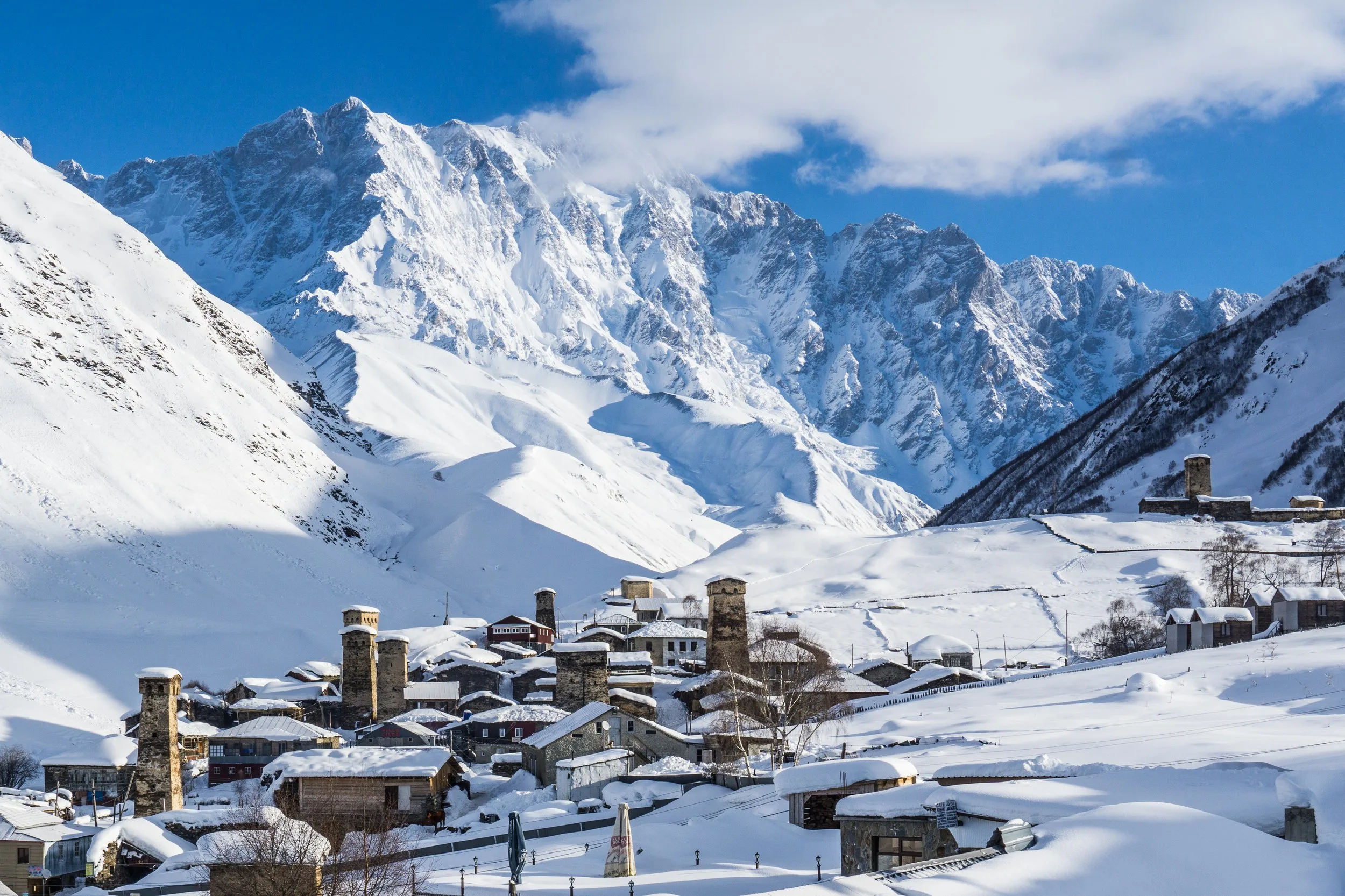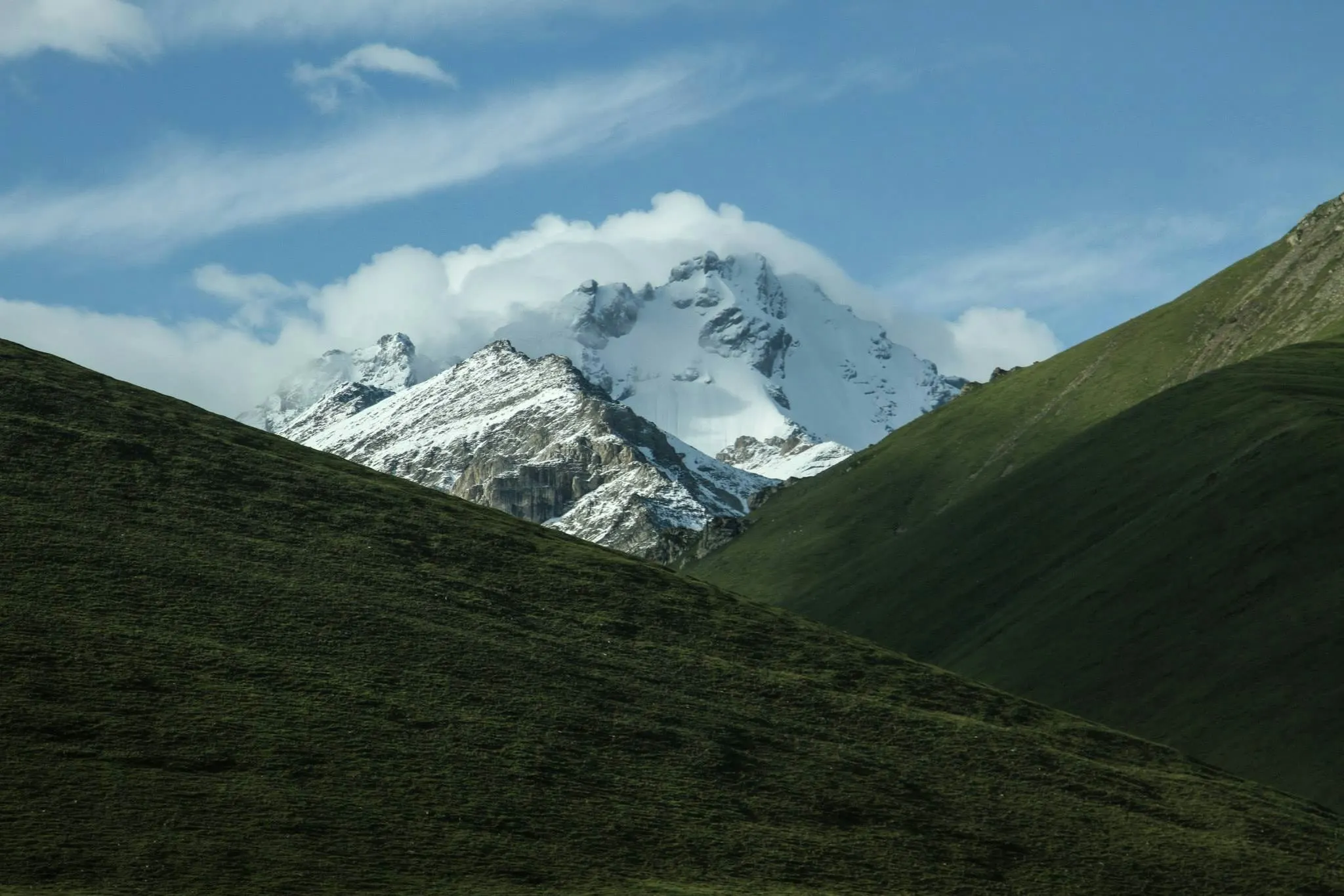
Georgia's nature reserves and protected areas are sanctuaries for the country's rich biodiversity, from the snow leopards of the Caucasus to the ancient forests of western Georgia. These protected spaces play a crucial role in conservation and offer visitors opportunities to experience pristine wilderness. The country's diverse ecosystems, ranging from alpine meadows to subtropical forests, create a unique natural heritage that has been carefully preserved through generations of conservation efforts.
The Caucasus Mountains: A Biodiversity Hotspot
The Caucasus Mountains, which form Georgia's northern border, are recognized as one of the world's biodiversity hotspots. This mountain range, stretching from the Black Sea to the Caspian Sea, contains an extraordinary variety of plant and animal species, many of which are found nowhere else on Earth. The region's unique geography, with its dramatic elevation changes and varied microclimates, has created ideal conditions for the evolution of distinct species and ecosystems.
The high-altitude regions of the Caucasus are home to some of Georgia's most iconic wildlife, including the endangered Caucasian snow leopard, the majestic Bezoar goat, and the rare Caucasian tur. These species have adapted to the harsh mountain environment over thousands of years, developing specialized behaviors and physical characteristics that allow them to thrive in this challenging habitat.
Ancient Forests and Woodland Ecosystems
Georgia's western regions are dominated by ancient forests that have remained largely unchanged for centuries. These forests, particularly in the regions of Adjara and Guria, are characterized by their high biodiversity and complex ecosystem structures. The Colchic forests, as they are known, contain a unique mix of deciduous and evergreen species, creating a distinctive woodland environment that supports a wide variety of wildlife.
The forest ecosystems of western Georgia are particularly important for bird conservation, serving as critical stopover points for migratory birds traveling between Europe and Africa. These forests provide essential habitat for numerous bird species, including the endangered Caucasian black grouse and various species of woodpeckers and songbirds.
Protected Areas and Conservation Efforts
Georgia has established an extensive network of protected areas, including national parks, nature reserves, and wildlife sanctuaries. These protected areas cover approximately 7% of the country's total land area, representing a significant commitment to conservation and environmental protection. The management of these areas is guided by international conservation standards and best practices.
The country's largest protected area is the Borjomi-Kharagauli National Park, which covers over 85,000 hectares of pristine wilderness. This park, established in 1995, protects one of the largest intact forest ecosystems in the Caucasus region and serves as a model for sustainable tourism and conservation management.
Wildlife Conservation and Species Protection
Georgia's conservation efforts focus on protecting both individual species and entire ecosystems. The country has implemented comprehensive programs to protect endangered species such as the Caucasian leopard, the Bezoar goat, and various bird species. These programs include habitat protection, anti-poaching measures, and scientific research to better understand species populations and behaviors.
The conservation of large mammals is particularly important in Georgia, as these species often serve as indicators of ecosystem health. The presence of top predators such as wolves and bears in Georgia's protected areas indicates that these ecosystems are functioning properly and maintaining their natural balance.
Ecotourism and Sustainable Development
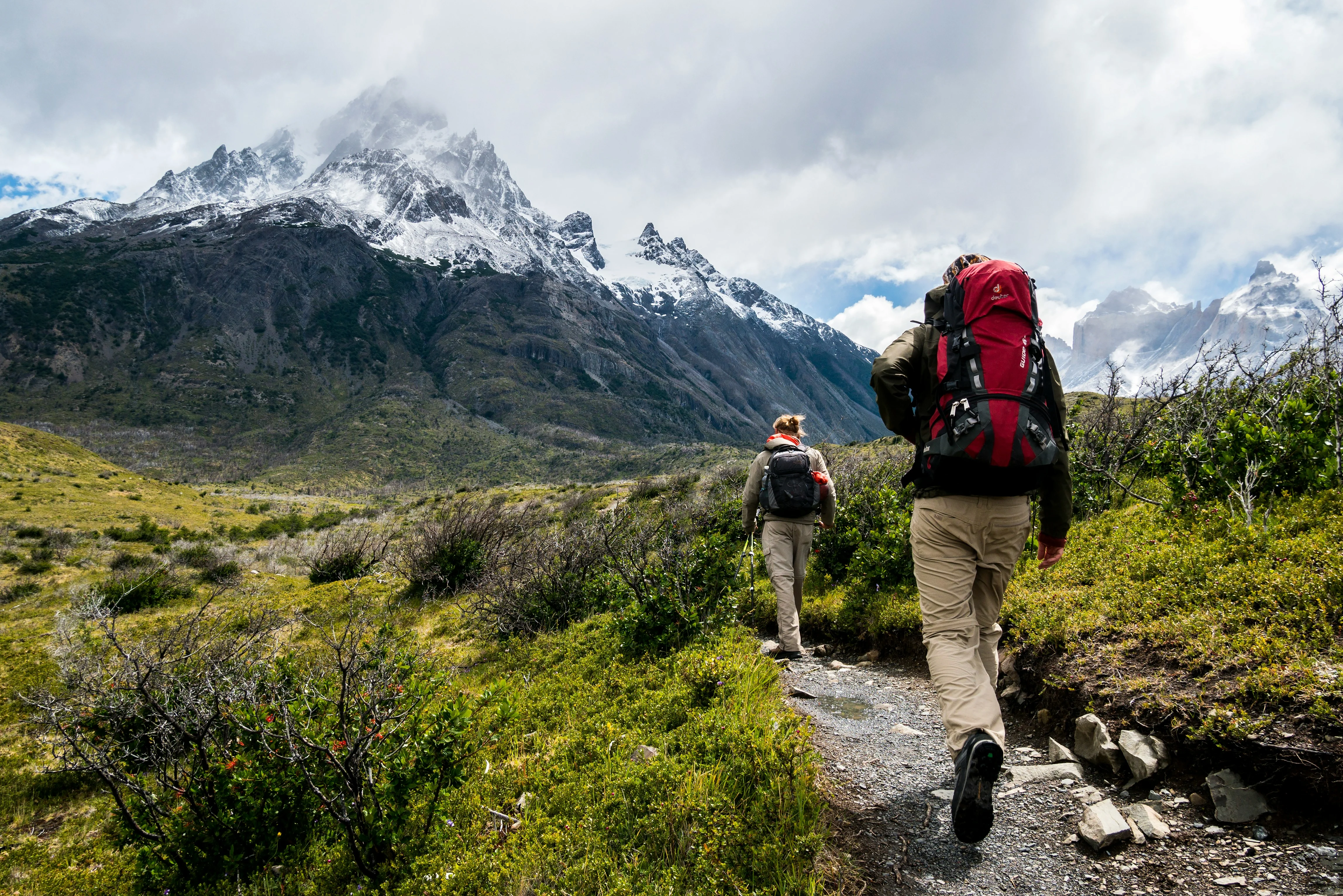
Georgia's protected areas are not only important for conservation but also serve as destinations for responsible tourism. The country has developed a growing ecotourism industry that allows visitors to experience the natural beauty of Georgia while supporting conservation efforts. These tourism activities are carefully managed to minimize environmental impact while providing economic benefits to local communities.
Ecotourism in Georgia includes activities such as guided wildlife viewing, hiking in protected areas, and educational programs about local ecosystems and conservation efforts. These activities are designed to raise awareness about the importance of conservation while providing visitors with meaningful experiences in nature.
Research and Scientific Study
Georgia's protected areas serve as important sites for scientific research and environmental monitoring. Researchers from around the world come to Georgia to study the country's unique ecosystems and species. This research contributes to global understanding of biodiversity and helps inform conservation strategies both in Georgia and internationally.
The scientific study of Georgia's natural areas has led to important discoveries about species distribution, ecosystem dynamics, and the effects of climate change on mountain environments. This research is essential for developing effective conservation strategies and understanding how to protect these valuable natural resources for future generations.
Climate Change and Environmental Challenges
Like many regions around the world, Georgia's natural areas face challenges from climate change and human development. Rising temperatures, changing precipitation patterns, and increased frequency of extreme weather events are affecting the country's ecosystems and wildlife populations. Conservation efforts must adapt to these changing conditions while continuing to protect biodiversity.
The Georgian government and conservation organizations are working to address these challenges through adaptive management strategies, increased monitoring and research, and international cooperation on climate change mitigation and adaptation. These efforts are essential for ensuring the long-term survival of Georgia's unique natural heritage.
Community Involvement and Local Conservation
Successful conservation in Georgia depends on the involvement and support of local communities. Many protected areas are located in rural regions where local people have traditional connections to the land and its resources. Conservation programs work to balance the needs of local communities with the requirements of environmental protection.
Local communities often participate in conservation efforts through employment in protected areas, involvement in tourism activities, and participation in environmental education programs. This community involvement helps ensure that conservation efforts are sustainable and that local people benefit from the protection of natural areas.
International Cooperation and Conservation Networks
Georgia participates in various international conservation networks and agreements, including the Convention on Biological Diversity and the Ramsar Convention on Wetlands. These international partnerships help Georgia access technical expertise, funding, and best practices for conservation management.
The country also collaborates with neighboring countries on transboundary conservation initiatives, particularly in the Caucasus region. These regional partnerships are essential for protecting migratory species and maintaining ecological connectivity across political boundaries.
Education and Environmental Awareness
Environmental education is an important component of Georgia's conservation efforts. Protected areas serve as outdoor classrooms where visitors can learn about local ecosystems, wildlife, and conservation challenges. Educational programs are designed for various audiences, from school children to international researchers.
The development of environmental awareness among Georgia's population is crucial for the long-term success of conservation efforts. Educational programs help people understand the value of natural areas and the importance of protecting biodiversity for future generations.
Future Challenges and Opportunities
As Georgia continues to develop economically and socially, the country faces important decisions about how to balance development with conservation. The growing tourism industry, while providing economic benefits, also presents challenges for managing visitor impacts on sensitive natural areas.
The future of Georgia's protected areas depends on continued commitment to conservation, effective management strategies, and the support of both local communities and international partners. Success will require ongoing adaptation to changing conditions and innovative approaches to conservation challenges.
Conclusion: A Natural Heritage Worth Protecting
Georgia's protected areas represent a natural heritage of global significance, containing unique ecosystems and species that are found nowhere else in the world. The conservation of these areas is not only important for Georgia but also contributes to global biodiversity protection efforts.
The country's commitment to conservation, combined with its rich natural heritage, positions Georgia as an important player in global environmental protection. As the world faces increasing environmental challenges, Georgia's protected areas serve as examples of successful conservation and sustainable development.
The protection of Georgia's natural areas ensures that future generations will be able to experience the country's unique biodiversity and natural beauty. These protected spaces stand as testament to Georgia's commitment to environmental stewardship and sustainable development.
The Caucasus Mountains: A Biodiversity Hotspot
The Caucasus Mountains, which form Georgia's northern border, are recognized as one of the world's biodiversity hotspots. This mountain range, stretching from the Black Sea to the Caspian Sea, contains an extraordinary variety of plant and animal species, many of which are found nowhere else on Earth. The region's unique geography, with its dramatic elevation changes and varied microclimates, has created ideal conditions for the evolution of distinct species and ecosystems.
The high-altitude regions of the Caucasus are home to some of Georgia's most iconic wildlife, including the endangered Caucasian snow leopard, the majestic Bezoar goat, and the rare Caucasian tur. These species have adapted to the harsh mountain environment over thousands of years, developing specialized behaviors and physical characteristics that allow them to thrive in this challenging habitat.
Ancient Forests and Woodland Ecosystems
Georgia's western regions are dominated by ancient forests that have remained largely unchanged for centuries. These forests, particularly in the regions of Adjara and Guria, are characterized by their high biodiversity and complex ecosystem structures. The Colchic forests, as they are known, contain a unique mix of deciduous and evergreen species, creating a distinctive woodland environment that supports a wide variety of wildlife.
The forest ecosystems of western Georgia are particularly important for bird conservation, serving as critical stopover points for migratory birds traveling between Europe and Africa. These forests provide essential habitat for numerous bird species, including the endangered Caucasian black grouse and various species of woodpeckers and songbirds.
Protected Areas and Conservation Efforts
Georgia has established an extensive network of protected areas, including national parks, nature reserves, and wildlife sanctuaries. These protected areas cover approximately 7% of the country's total land area, representing a significant commitment to conservation and environmental protection. The management of these areas is guided by international conservation standards and best practices.
The country's largest protected area is the Borjomi-Kharagauli National Park, which covers over 85,000 hectares of pristine wilderness. This park, established in 1995, protects one of the largest intact forest ecosystems in the Caucasus region and serves as a model for sustainable tourism and conservation management.
Wildlife Conservation and Species Protection
Georgia's conservation efforts focus on protecting both individual species and entire ecosystems. The country has implemented comprehensive programs to protect endangered species such as the Caucasian leopard, the Bezoar goat, and various bird species. These programs include habitat protection, anti-poaching measures, and scientific research to better understand species populations and behaviors.
The conservation of large mammals is particularly important in Georgia, as these species often serve as indicators of ecosystem health. The presence of top predators such as wolves and bears in Georgia's protected areas indicates that these ecosystems are functioning properly and maintaining their natural balance.
Ecotourism and Sustainable Development
Georgia's protected areas are not only important for conservation but also serve as destinations for responsible tourism. The country has developed a growing ecotourism industry that allows visitors to experience the natural beauty of Georgia while supporting conservation efforts. These tourism activities are carefully managed to minimize environmental impact while providing economic benefits to local communities.
Ecotourism in Georgia includes activities such as guided wildlife viewing, hiking in protected areas, and educational programs about local ecosystems and conservation efforts. These activities are designed to raise awareness about the importance of conservation while providing visitors with meaningful experiences in nature.
Research and Scientific Study
Georgia's protected areas serve as important sites for scientific research and environmental monitoring. Researchers from around the world come to Georgia to study the country's unique ecosystems and species. This research contributes to global understanding of biodiversity and helps inform conservation strategies both in Georgia and internationally.
The scientific study of Georgia's natural areas has led to important discoveries about species distribution, ecosystem dynamics, and the effects of climate change on mountain environments. This research is essential for developing effective conservation strategies and understanding how to protect these valuable natural resources for future generations.
Climate Change and Environmental Challenges
Like many regions around the world, Georgia's natural areas face challenges from climate change and human development. Rising temperatures, changing precipitation patterns, and increased frequency of extreme weather events are affecting the country's ecosystems and wildlife populations. Conservation efforts must adapt to these changing conditions while continuing to protect biodiversity.
The Georgian government and conservation organizations are working to address these challenges through adaptive management strategies, increased monitoring and research, and international cooperation on climate change mitigation and adaptation. These efforts are essential for ensuring the long-term survival of Georgia's unique natural heritage.
Community Involvement and Local Conservation
Successful conservation in Georgia depends on the involvement and support of local communities. Many protected areas are located in rural regions where local people have traditional connections to the land and its resources. Conservation programs work to balance the needs of local communities with the requirements of environmental protection.
Local communities often participate in conservation efforts through employment in protected areas, involvement in tourism activities, and participation in environmental education programs. This community involvement helps ensure that conservation efforts are sustainable and that local people benefit from the protection of natural areas.
International Cooperation and Conservation Networks
Georgia participates in various international conservation networks and agreements, including the Convention on Biological Diversity and the Ramsar Convention on Wetlands. These international partnerships help Georgia access technical expertise, funding, and best practices for conservation management.
The country also collaborates with neighboring countries on transboundary conservation initiatives, particularly in the Caucasus region. These regional partnerships are essential for protecting migratory species and maintaining ecological connectivity across political boundaries.
Education and Environmental Awareness
Environmental education is an important component of Georgia's conservation efforts. Protected areas serve as outdoor classrooms where visitors can learn about local ecosystems, wildlife, and conservation challenges. Educational programs are designed for various audiences, from school children to international researchers.
The development of environmental awareness among Georgia's population is crucial for the long-term success of conservation efforts. Educational programs help people understand the value of natural areas and the importance of protecting biodiversity for future generations.
Future Challenges and Opportunities
As Georgia continues to develop economically and socially, the country faces important decisions about how to balance development with conservation. The growing tourism industry, while providing economic benefits, also presents challenges for managing visitor impacts on sensitive natural areas.
The future of Georgia's protected areas depends on continued commitment to conservation, effective management strategies, and the support of both local communities and international partners. Success will require ongoing adaptation to changing conditions and innovative approaches to conservation challenges.
Conclusion: A Natural Heritage Worth Protecting
Georgia's protected areas represent a natural heritage of global significance, containing unique ecosystems and species that are found nowhere else in the world. The conservation of these areas is not only important for Georgia but also contributes to global biodiversity protection efforts.
The country's commitment to conservation, combined with its rich natural heritage, positions Georgia as an important player in global environmental protection. As the world faces increasing environmental challenges, Georgia's protected areas serve as examples of successful conservation and sustainable development.
The protection of Georgia's natural areas ensures that future generations will be able to experience the country's unique biodiversity and natural beauty. These protected spaces stand as testament to Georgia's commitment to environmental stewardship and sustainable development.