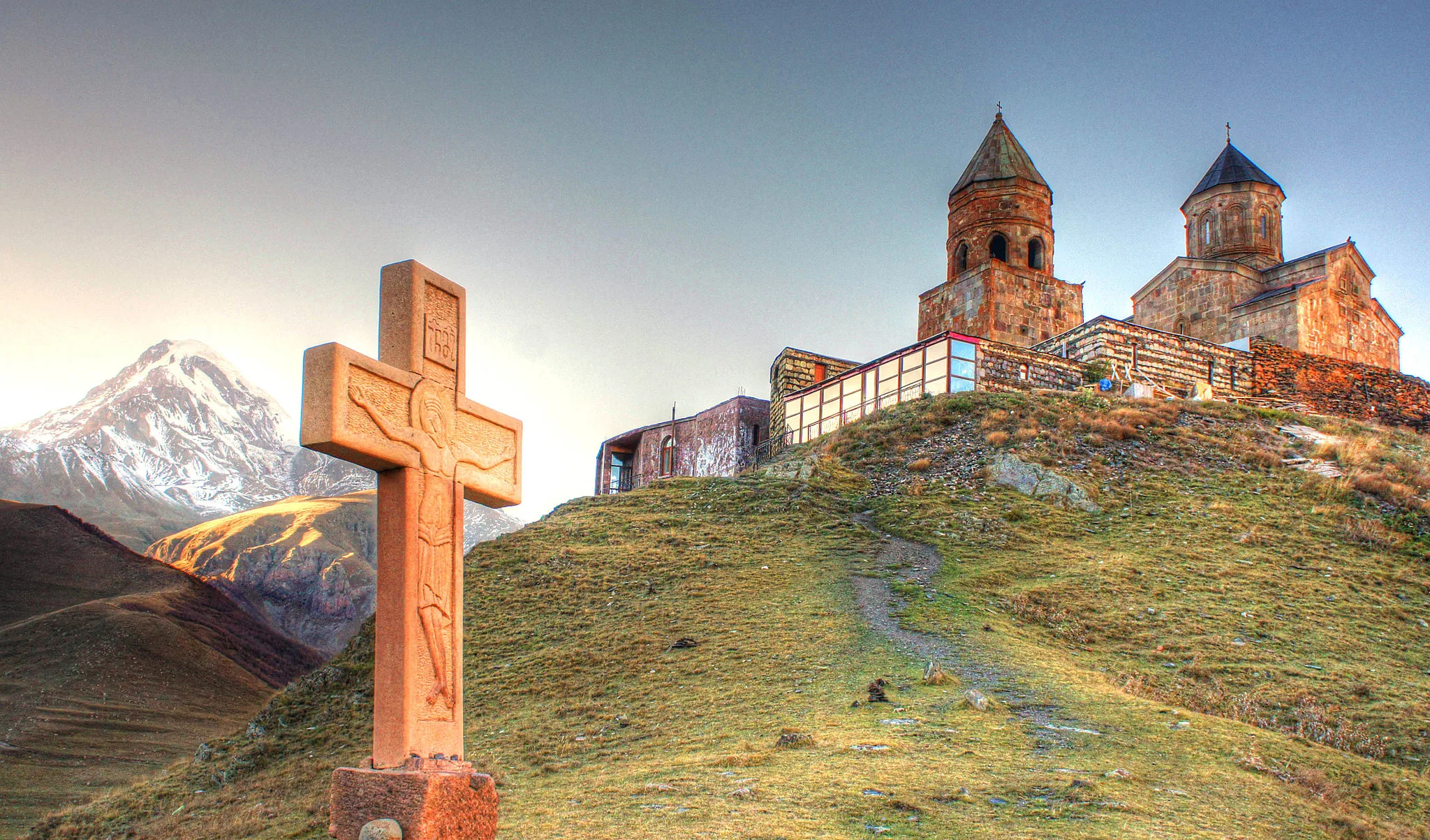
Georgia's architectural landscape tells a story of cultural evolution, religious devotion, and artistic innovation spanning over 1,500 years. From the ancient stone churches that dot the mountain valleys to the cutting-edge modern designs reshaping Tbilisi's urban fabric, Georgian architecture reflects the country's complex history and vibrant contemporary spirit.
In this comprehensive exploration, we'll journey through Georgia's architectural heritage, examining the distinctive styles, techniques, and cultural significance that make Georgian architecture unique.
Ancient Foundations: Early Christian Architecture
Georgia's architectural story begins with the adoption of Christianity in the 4th century, which led to the development of distinctive church architecture that would influence the region for centuries.
Key characteristics of early Georgian church architecture include:
Cross-dome design: A central dome supported by a cross-shaped base, creating a harmonious and balanced structure
Stone construction: Using local volcanic tuff and limestone, creating durable and beautiful buildings
Decorative carvings: Elaborate reliefs featuring religious symbols, geometric patterns, and inscriptions
Integration with landscape: Churches often built to complement their natural surroundings
Famous examples include the Svetitskhoveli Cathedral in Mtskheta, the Jvari Monastery, and the Anchiskhati Basilica in Tbilisi.
Medieval Masterpieces: The Golden Age of Georgian Architecture
Between the 10th and 13th centuries, Georgia experienced a golden age of architectural achievement, producing some of the most sophisticated church designs in the Christian world.
Notable features of this period include:
Sophisticated dome construction: Advanced techniques for creating large, stable domes
Rich decorative programs: Extensive fresco cycles and stone carvings
Harmonious proportions: Mathematical precision in design and construction
Regional variations: Distinct styles developed in different parts of the country
The Gelati Monastery, Bagrati Cathedral, and the churches of Svaneti exemplify this period's architectural excellence.
Defensive Architecture: Towers and Fortresses
Georgia's strategic location between empires led to the development of sophisticated defensive architecture, particularly in mountainous regions.
Svan Towers: Unique defensive structures in Svaneti, built as both homes and fortresses
City walls and fortifications: Protecting important urban centers
Watchtowers: Strategic lookout points across the countryside
These structures demonstrate both practical defensive needs and sophisticated engineering skills.
Traditional Domestic Architecture
Georgian residential architecture reflects the country's climate, culture, and social structure:
Tbilisi's Old Town houses: Colorful wooden balconies and traditional courtyard layouts
Mountain dwellings: Stone houses adapted to harsh climates and terrain
Vernacular styles: Regional variations reflecting local materials and traditions
Modern Transformations: Contemporary Georgian Architecture
In recent decades, Georgia has experienced an architectural renaissance, with Tbilisi leading the way in innovative design:
Bridge of Peace: A modern pedestrian bridge spanning the Kura River
Public Service Hall: Innovative government building design
Tbilisi Public Service Hall: Modern administrative architecture
Contemporary residential developments: New housing projects blending tradition and innovation
Architectural Innovation in the 21st Century
Modern Georgian architects are creating exciting new designs that honor tradition while embracing contemporary needs:
Sustainable design: Energy-efficient buildings using traditional materials
Cultural centers: Modern spaces for arts and community activities
Urban renewal: Transforming neglected areas into vibrant public spaces
International influence: Georgian architects gaining recognition abroad
Preservation and Restoration
Georgia faces the challenge of preserving its architectural heritage while accommodating modern needs:
Restoration projects: Carefully preserving historic buildings
Adaptive reuse: Converting historic structures for modern purposes
Documentation: Recording and studying traditional building techniques
Education: Training new generations in traditional crafts
The Future of Georgian Architecture
As Georgia continues to develop, its architecture is evolving in exciting ways:
Green building practices: Incorporating sustainable design principles
Smart city initiatives: Using technology to improve urban environments
Cultural preservation: Balancing development with heritage protection
International collaboration: Working with architects from around the world
Visiting Georgia's Architectural Treasures
For visitors interested in Georgian architecture, key sites include:
Mtskheta: Ancient capital with UNESCO World Heritage sites
Svaneti: Traditional tower architecture in mountain villages
Tbilisi Old Town: Mix of traditional and modern styles
Kakheti: Wine region with traditional architecture
Conclusion: A Living Heritage
Georgian architecture is not just a collection of beautiful buildings — it's a living tradition that continues to evolve and inspire. From the ancient stone churches that have stood for centuries to the innovative modern designs shaping the future, Georgian architecture tells the story of a nation that honors its past while embracing the future.
Whether you're exploring the ancient churches of the Caucasus or admiring the modern skyline of Tbilisi, Georgia's architectural heritage offers a fascinating journey through time, culture, and human creativity.
This comprehensive exploration of georgian architecture: from ancient churches to modern marvels reveals the depth and complexity of Georgian culture and heritage. Through detailed examination of historical development, contemporary significance, and future prospects, we gain a deeper understanding of how this aspect of Georgian life continues to evolve and adapt to modern challenges while maintaining its essential character and cultural authenticity.
The rich tapestry of Georgian traditions, from ancient practices to modern innovations, demonstrates the remarkable resilience and adaptability of Georgian culture. These traditions serve not only as links to the past but also as foundations for future development, ensuring that Georgian cultural heritage remains vibrant and relevant in an increasingly globalized world.
As Georgia continues to engage with international communities and address contemporary challenges, these cultural elements will likely continue to evolve while maintaining their distinctive character and significance. The balance between preservation and innovation, tradition and modernity, will be crucial for ensuring the continued vitality of Georgian cultural heritage.
The future of Georgian culture looks promising, with new generations building on traditional foundations while exploring new possibilities for expression and development. This dynamic engagement with both tradition and innovation ensures that Georgian cultural heritage will continue to flourish and contribute to the broader development of world culture and society.
In this comprehensive exploration, we'll journey through Georgia's architectural heritage, examining the distinctive styles, techniques, and cultural significance that make Georgian architecture unique.
Ancient Foundations: Early Christian Architecture
Georgia's architectural story begins with the adoption of Christianity in the 4th century, which led to the development of distinctive church architecture that would influence the region for centuries.
Key characteristics of early Georgian church architecture include:
Cross-dome design: A central dome supported by a cross-shaped base, creating a harmonious and balanced structure
Stone construction: Using local volcanic tuff and limestone, creating durable and beautiful buildings
Decorative carvings: Elaborate reliefs featuring religious symbols, geometric patterns, and inscriptions
Integration with landscape: Churches often built to complement their natural surroundings
Famous examples include the Svetitskhoveli Cathedral in Mtskheta, the Jvari Monastery, and the Anchiskhati Basilica in Tbilisi.
Medieval Masterpieces: The Golden Age of Georgian Architecture
Between the 10th and 13th centuries, Georgia experienced a golden age of architectural achievement, producing some of the most sophisticated church designs in the Christian world.
Notable features of this period include:
Sophisticated dome construction: Advanced techniques for creating large, stable domes
Rich decorative programs: Extensive fresco cycles and stone carvings
Harmonious proportions: Mathematical precision in design and construction
Regional variations: Distinct styles developed in different parts of the country
The Gelati Monastery, Bagrati Cathedral, and the churches of Svaneti exemplify this period's architectural excellence.
Defensive Architecture: Towers and Fortresses
Georgia's strategic location between empires led to the development of sophisticated defensive architecture, particularly in mountainous regions.
Svan Towers: Unique defensive structures in Svaneti, built as both homes and fortresses
City walls and fortifications: Protecting important urban centers
Watchtowers: Strategic lookout points across the countryside
These structures demonstrate both practical defensive needs and sophisticated engineering skills.
Traditional Domestic Architecture
Georgian residential architecture reflects the country's climate, culture, and social structure:
Tbilisi's Old Town houses: Colorful wooden balconies and traditional courtyard layouts
Mountain dwellings: Stone houses adapted to harsh climates and terrain
Vernacular styles: Regional variations reflecting local materials and traditions
Modern Transformations: Contemporary Georgian Architecture
In recent decades, Georgia has experienced an architectural renaissance, with Tbilisi leading the way in innovative design:
Bridge of Peace: A modern pedestrian bridge spanning the Kura River
Public Service Hall: Innovative government building design
Tbilisi Public Service Hall: Modern administrative architecture
Contemporary residential developments: New housing projects blending tradition and innovation
Architectural Innovation in the 21st Century
Modern Georgian architects are creating exciting new designs that honor tradition while embracing contemporary needs:
Sustainable design: Energy-efficient buildings using traditional materials
Cultural centers: Modern spaces for arts and community activities
Urban renewal: Transforming neglected areas into vibrant public spaces
International influence: Georgian architects gaining recognition abroad
Preservation and Restoration
Georgia faces the challenge of preserving its architectural heritage while accommodating modern needs:
Restoration projects: Carefully preserving historic buildings
Adaptive reuse: Converting historic structures for modern purposes
Documentation: Recording and studying traditional building techniques
Education: Training new generations in traditional crafts
The Future of Georgian Architecture
As Georgia continues to develop, its architecture is evolving in exciting ways:
Green building practices: Incorporating sustainable design principles
Smart city initiatives: Using technology to improve urban environments
Cultural preservation: Balancing development with heritage protection
International collaboration: Working with architects from around the world
Visiting Georgia's Architectural Treasures
For visitors interested in Georgian architecture, key sites include:
Mtskheta: Ancient capital with UNESCO World Heritage sites
Svaneti: Traditional tower architecture in mountain villages
Tbilisi Old Town: Mix of traditional and modern styles
Kakheti: Wine region with traditional architecture
Conclusion: A Living Heritage
Georgian architecture is not just a collection of beautiful buildings — it's a living tradition that continues to evolve and inspire. From the ancient stone churches that have stood for centuries to the innovative modern designs shaping the future, Georgian architecture tells the story of a nation that honors its past while embracing the future.
Whether you're exploring the ancient churches of the Caucasus or admiring the modern skyline of Tbilisi, Georgia's architectural heritage offers a fascinating journey through time, culture, and human creativity.
This comprehensive exploration of georgian architecture: from ancient churches to modern marvels reveals the depth and complexity of Georgian culture and heritage. Through detailed examination of historical development, contemporary significance, and future prospects, we gain a deeper understanding of how this aspect of Georgian life continues to evolve and adapt to modern challenges while maintaining its essential character and cultural authenticity.
The rich tapestry of Georgian traditions, from ancient practices to modern innovations, demonstrates the remarkable resilience and adaptability of Georgian culture. These traditions serve not only as links to the past but also as foundations for future development, ensuring that Georgian cultural heritage remains vibrant and relevant in an increasingly globalized world.
As Georgia continues to engage with international communities and address contemporary challenges, these cultural elements will likely continue to evolve while maintaining their distinctive character and significance. The balance between preservation and innovation, tradition and modernity, will be crucial for ensuring the continued vitality of Georgian cultural heritage.
The future of Georgian culture looks promising, with new generations building on traditional foundations while exploring new possibilities for expression and development. This dynamic engagement with both tradition and innovation ensures that Georgian cultural heritage will continue to flourish and contribute to the broader development of world culture and society.