Georgian Orthodox Christianity is more than just a religion—it is a cornerstone of Georgia's national identity, culture, and history. With roots dating back to the early 4th century, it stands as one of the oldest Christian traditions in the world. Throughout the centuries, Georgian Orthodoxy has shaped not only the spiritual life of the people but also their artistic expression and architectural heritage.
In this article, we explore the profound impact of Georgian Orthodox Christianity on the country's faith, art, and architecture, revealing how this ancient tradition continues to inspire and define Georgia today.
The Origins of Georgian Orthodox Christianity
Georgia officially adopted Christianity in 337 AD, making it one of the earliest nations to embrace the faith. According to tradition, the apostles Andrew and Simon preached in the region, laying the foundations for the Georgian Church.
The Georgian Orthodox Church became a vital institution that preserved literacy, education, and cultural values through tumultuous periods of invasions and political change. Its influence permeates Georgian society, shaping laws, customs, and national celebrations.
Faith and Liturgy
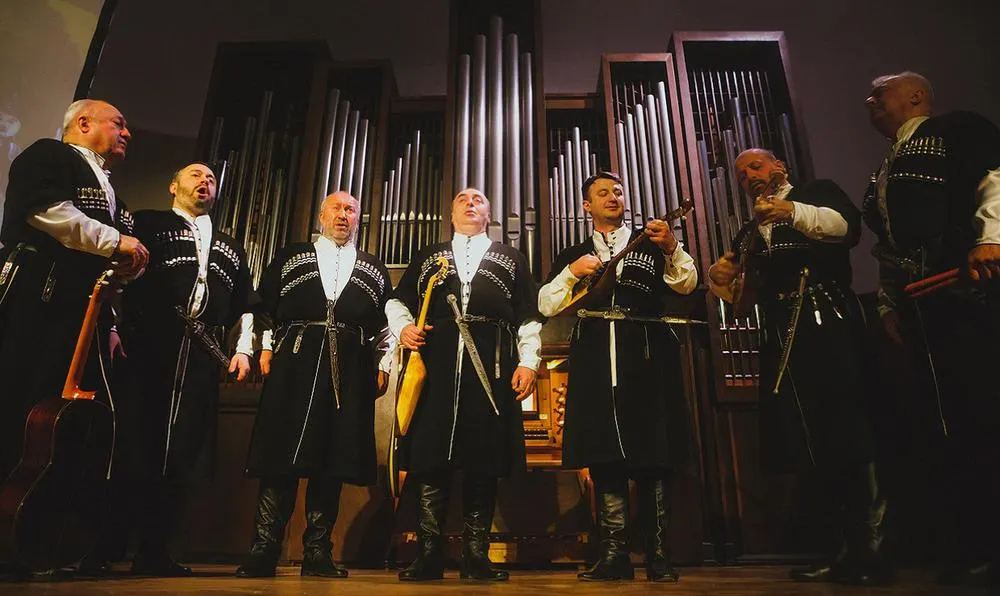
At the heart of Georgian Orthodoxy lies a rich spiritual tradition marked by unique liturgical practices, sacred music, and theological thought. The Divine Liturgy is celebrated in the Georgian language, featuring ancient chants and hymns sung in mesmerizing polyphony, a hallmark of Georgian sacred music.
Georgian Christianity emphasizes a mystical connection between the believer and God, fostering a deep sense of community and spiritual devotion that is palpable in every church and monastery.
Artistic Expression: Icons and Manuscripts
Art has long been an essential medium through which Georgian Orthodoxy expresses its faith. Iconography plays a central role, with churches adorned with intricate frescoes and icons that tell biblical stories and depict saints.
Georgian religious art is characterized by its vibrant colors, stylized figures, and symbolic motifs. Manuscripts, often painstakingly illustrated by monks, preserve theological writings and historical chronicles that provide invaluable insights into the spiritual and cultural history of Georgia.
Architectural Heritage: Churches and Monasteries
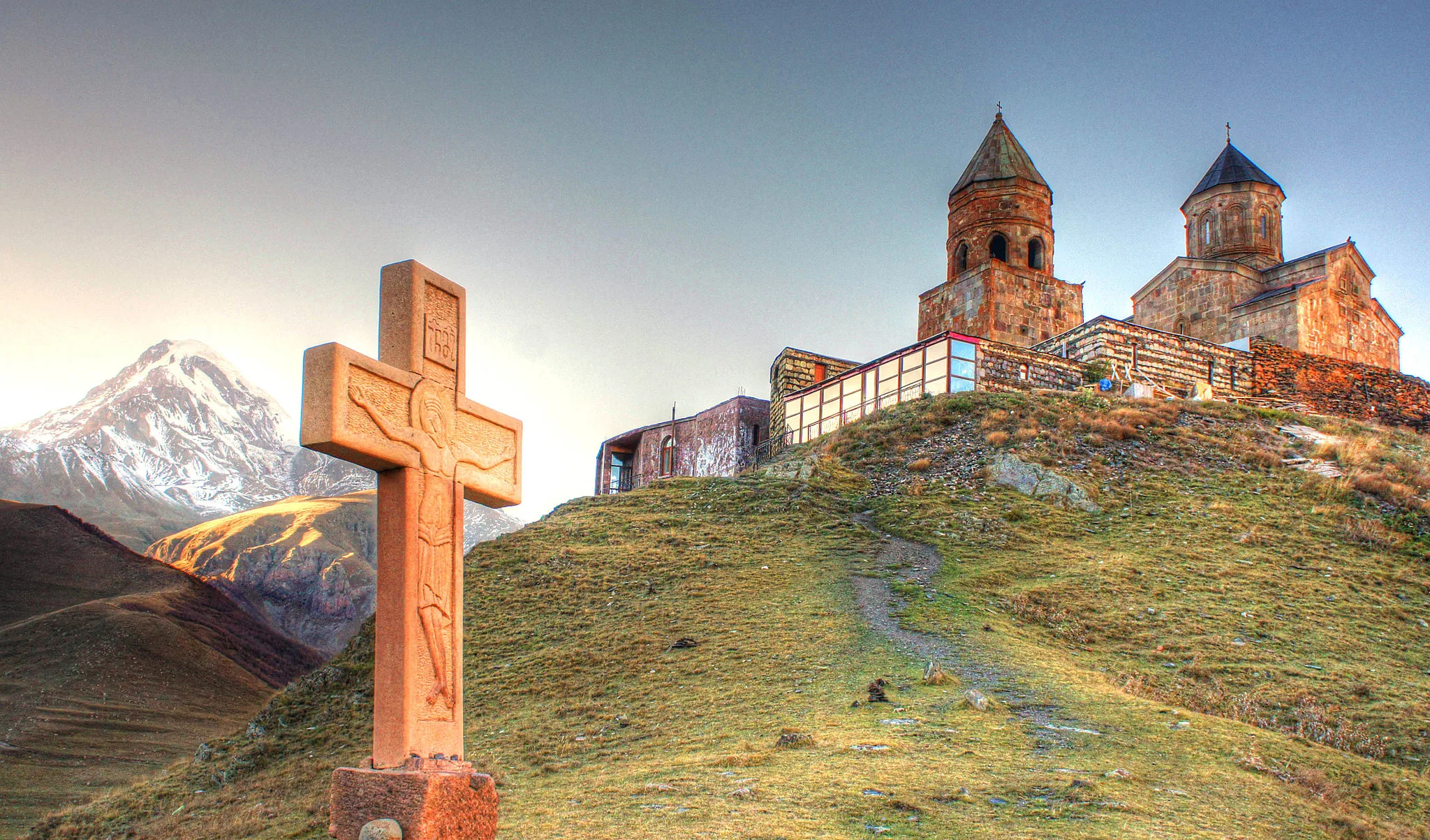
Georgian Orthodox architecture is renowned for its distinctive style, blending Byzantine influences with local traditions. The country boasts hundreds of churches and monasteries, many of which are UNESCO World Heritage Sites.
Key features include:
Cross-dome design: A signature architectural form where a central dome rests on a cross-shaped base
Stone construction: Using local volcanic tuff and limestone, creating sturdy yet elegant structures
Decorative carvings: Elaborate reliefs featuring religious symbols, geometric patterns, and inscriptions
Famous examples include the Svetitskhoveli Cathedral in Mtskheta, the Jvari Monastery, and the Gelati Monastery—each a masterpiece reflecting Georgia's religious devotion and architectural ingenuity.
Pilgrimage and Monastic Life
Monasticism holds a special place in Georgian Orthodoxy. Monasteries serve as spiritual centers where monks dedicate their lives to prayer, study, and community service. Many monasteries are located in remote mountainous regions, offering serene environments for contemplation and pilgrimage.
Pilgrimages to holy sites remain a vital religious practice for many Georgians, reinforcing faith and cultural continuity.
Georgian Orthodoxy Today
Today, the Georgian Orthodox Church continues to be a major force in national life, influencing education, politics, and cultural revival. It plays an active role in social welfare and fosters interfaith dialogue.
Festivals such as Easter and Christmas are celebrated with great devotion, featuring traditional rituals, processions, and communal feasts that bring together people from all walks of life.
Conclusion: A Living Tradition
Georgian Orthodox Christianity is a vibrant and enduring tradition that transcends religion to encompass art, architecture, and national identity. Its deep roots and rich heritage continue to inspire not only believers but also artists, architects, and scholars worldwide.
For anyone interested in the spiritual and cultural fabric of Georgia, exploring the legacy of Georgian Orthodoxy offers a profound and enriching journey into the soul of this ancient land.
This comprehensive exploration of georgian orthodox christianity: faith, art, and architecture reveals the depth and complexity of Georgian culture and heritage. Through detailed examination of historical development, contemporary significance, and future prospects, we gain a deeper understanding of how this aspect of Georgian life continues to evolve and adapt to modern challenges while maintaining its essential character and cultural authenticity.
The rich tapestry of Georgian traditions, from ancient practices to modern innovations, demonstrates the remarkable resilience and adaptability of Georgian culture. These traditions serve not only as links to the past but also as foundations for future development, ensuring that Georgian cultural heritage remains vibrant and relevant in an increasingly globalized world.
As Georgia continues to engage with international communities and address contemporary challenges, these cultural elements will likely continue to evolve while maintaining their distinctive character and significance. The balance between preservation and innovation, tradition and modernity, will be crucial for ensuring the continued vitality of Georgian cultural heritage.
The future of Georgian culture looks promising, with new generations building on traditional foundations while exploring new possibilities for expression and development. This dynamic engagement with both tradition and innovation ensures that Georgian cultural heritage will continue to flourish and contribute to the broader development of world culture and society.
In this article, we explore the profound impact of Georgian Orthodox Christianity on the country's faith, art, and architecture, revealing how this ancient tradition continues to inspire and define Georgia today.
The Origins of Georgian Orthodox Christianity
Georgia officially adopted Christianity in 337 AD, making it one of the earliest nations to embrace the faith. According to tradition, the apostles Andrew and Simon preached in the region, laying the foundations for the Georgian Church.
The Georgian Orthodox Church became a vital institution that preserved literacy, education, and cultural values through tumultuous periods of invasions and political change. Its influence permeates Georgian society, shaping laws, customs, and national celebrations.
Faith and Liturgy
At the heart of Georgian Orthodoxy lies a rich spiritual tradition marked by unique liturgical practices, sacred music, and theological thought. The Divine Liturgy is celebrated in the Georgian language, featuring ancient chants and hymns sung in mesmerizing polyphony, a hallmark of Georgian sacred music.
Georgian Christianity emphasizes a mystical connection between the believer and God, fostering a deep sense of community and spiritual devotion that is palpable in every church and monastery.
Artistic Expression: Icons and Manuscripts
Art has long been an essential medium through which Georgian Orthodoxy expresses its faith. Iconography plays a central role, with churches adorned with intricate frescoes and icons that tell biblical stories and depict saints.
Georgian religious art is characterized by its vibrant colors, stylized figures, and symbolic motifs. Manuscripts, often painstakingly illustrated by monks, preserve theological writings and historical chronicles that provide invaluable insights into the spiritual and cultural history of Georgia.
Architectural Heritage: Churches and Monasteries
Georgian Orthodox architecture is renowned for its distinctive style, blending Byzantine influences with local traditions. The country boasts hundreds of churches and monasteries, many of which are UNESCO World Heritage Sites.
Key features include:
Cross-dome design: A signature architectural form where a central dome rests on a cross-shaped base
Stone construction: Using local volcanic tuff and limestone, creating sturdy yet elegant structures
Decorative carvings: Elaborate reliefs featuring religious symbols, geometric patterns, and inscriptions
Famous examples include the Svetitskhoveli Cathedral in Mtskheta, the Jvari Monastery, and the Gelati Monastery—each a masterpiece reflecting Georgia's religious devotion and architectural ingenuity.
Pilgrimage and Monastic Life
Monasticism holds a special place in Georgian Orthodoxy. Monasteries serve as spiritual centers where monks dedicate their lives to prayer, study, and community service. Many monasteries are located in remote mountainous regions, offering serene environments for contemplation and pilgrimage.
Pilgrimages to holy sites remain a vital religious practice for many Georgians, reinforcing faith and cultural continuity.
Georgian Orthodoxy Today
Today, the Georgian Orthodox Church continues to be a major force in national life, influencing education, politics, and cultural revival. It plays an active role in social welfare and fosters interfaith dialogue.
Festivals such as Easter and Christmas are celebrated with great devotion, featuring traditional rituals, processions, and communal feasts that bring together people from all walks of life.
Conclusion: A Living Tradition
Georgian Orthodox Christianity is a vibrant and enduring tradition that transcends religion to encompass art, architecture, and national identity. Its deep roots and rich heritage continue to inspire not only believers but also artists, architects, and scholars worldwide.
For anyone interested in the spiritual and cultural fabric of Georgia, exploring the legacy of Georgian Orthodoxy offers a profound and enriching journey into the soul of this ancient land.
This comprehensive exploration of georgian orthodox christianity: faith, art, and architecture reveals the depth and complexity of Georgian culture and heritage. Through detailed examination of historical development, contemporary significance, and future prospects, we gain a deeper understanding of how this aspect of Georgian life continues to evolve and adapt to modern challenges while maintaining its essential character and cultural authenticity.
The rich tapestry of Georgian traditions, from ancient practices to modern innovations, demonstrates the remarkable resilience and adaptability of Georgian culture. These traditions serve not only as links to the past but also as foundations for future development, ensuring that Georgian cultural heritage remains vibrant and relevant in an increasingly globalized world.
As Georgia continues to engage with international communities and address contemporary challenges, these cultural elements will likely continue to evolve while maintaining their distinctive character and significance. The balance between preservation and innovation, tradition and modernity, will be crucial for ensuring the continued vitality of Georgian cultural heritage.
The future of Georgian culture looks promising, with new generations building on traditional foundations while exploring new possibilities for expression and development. This dynamic engagement with both tradition and innovation ensures that Georgian cultural heritage will continue to flourish and contribute to the broader development of world culture and society.