In Georgia, hospitality isn't just a custom — it's a way of life. At the heart of this centuries-old tradition lies the supra — an extraordinary feast that brings together family, friends, neighbors, and even strangers around a shared table. Rich with symbolism, ritual, and generosity, the supra embodies the Georgian spirit like nothing else.
In this article, we'll take you inside the world of the Georgian supra: its origins, its rituals, and why it remains one of the most memorable and meaningful experiences any visitor to Georgia can have.
What Is a Supra?
The word supra literally means tablecloth, but it has come to represent much more than just the fabric covering the table. In Georgian culture, the supra is the event itself — a lavish banquet that celebrates life, love, family, friendship, and faith.
Whether marking a wedding, a birthday, a religious holiday, or simply the joy of being together, the supra is both a feast and a ceremony. It can last for hours — sometimes even days — and is always filled with abundant food, flowing wine, heartfelt toasts, and traditional songs.
The Role of the Tamada
Every supra is led by a tamada — the toastmaster — who guides the evening like a conductor leading an orchestra. Being chosen as tamada is an honor and a responsibility, as he must be eloquent, wise, and attentive to the mood of the table.
The tamada sets the rhythm of the supra by offering a series of traditional and improvised toasts, each one rich in meaning. These toasts are much more than polite words — they are reflections on family, ancestors, friendship, love, peace, and even the hardships of life.
Guests are expected to listen carefully and drink in honor of each toast. If the supra is long (and it usually is), the tamada may choose helpers to ensure that everyone at the table is included and no one feels left out.
A Table Overflowing with Flavors
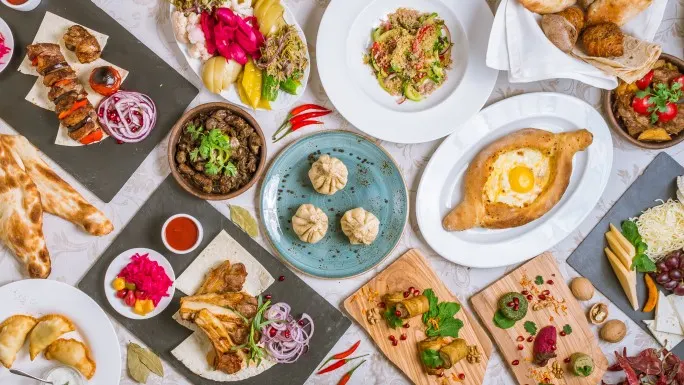
The first thing you'll notice at a Georgian supra is the sheer abundance of food. Tables practically groan under the weight of delicious dishes, and no space is left empty. Every family takes pride in showcasing the best of their regional and seasonal specialties.
Some typical dishes you might find include:
Khachapuri: Georgia's famous cheese-filled bread
Khinkali: juicy, spice-filled dumplings
Badrijani: eggplant rolls with walnut-garlic paste
Pkhali: vibrant vegetable-and-walnut spreads
Grilled meats, fresh herbs, cheeses, pickles, and more
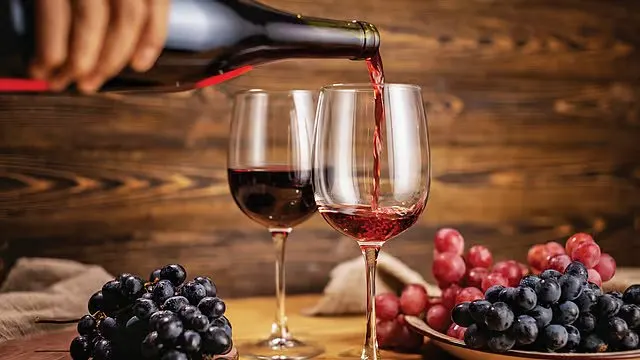
Of course, no supra is complete without wine. Georgia is often called the cradle of wine, with a history of winemaking that goes back over 8,000 years. Many families serve their own homemade wine in clay pitchers called kantsi, often poured generously and frequently.
Polyphonic Songs and Dances
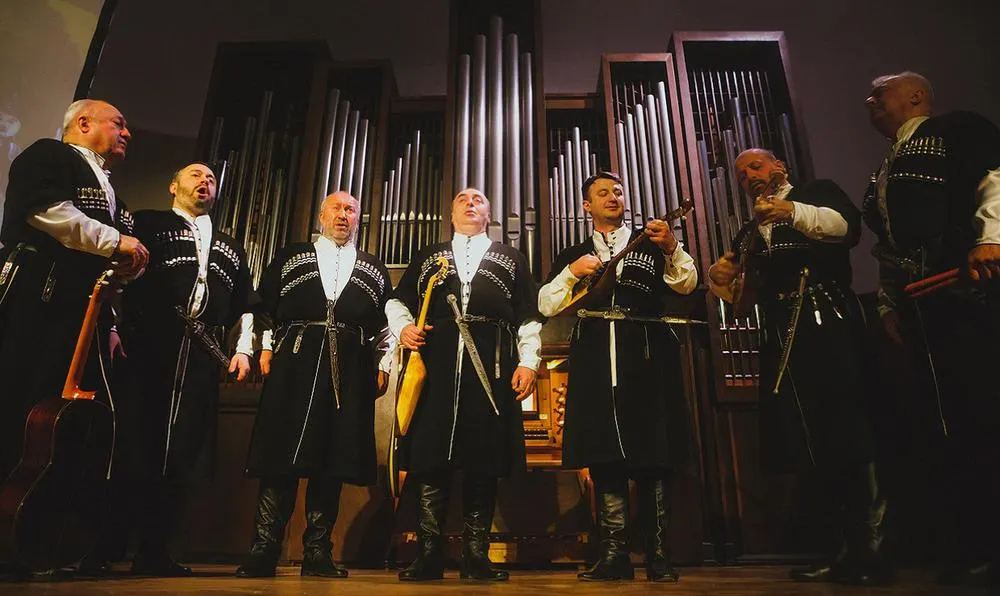
As the wine flows and the toasts become more heartfelt, it's not uncommon for the table to burst into song. Georgian polyphonic singing — with its haunting harmonies and powerful emotional expression — is a UNESCO-recognized tradition.
Some supras also include traditional dances, especially at weddings or larger celebrations, showcasing the vigor and beauty of Georgian culture.
Supra as a Philosophy of Life
The supra is more than just eating and drinking — it is an expression of Georgian philosophy and worldview. It reflects the value placed on community, respect for ancestors, and the joy of living in the moment.
It also serves as a reminder of the importance of hospitality. In Georgia, guests are seen as blessings, and the host is obliged to ensure they are happy, well-fed, and cared for. A famous Georgian saying sums it up perfectly:
A guest is a gift from God.
Even strangers who happen to pass by may be invited to join the table, welcomed as part of the family for the evening.
Why You Should Experience a Supra
For visitors to Georgia, being invited to a supra is a rare and unforgettable opportunity. It offers a glimpse into the very soul of Georgian culture — warm, generous, and deeply human.
You'll leave the table not only full of delicious food and wine, but also moved by the sincerity of the people and the timeless rituals that connect everyone at the table.
Whether you're in the bustling capital of Tbilisi, the vineyards of Kakheti, or a remote mountain village, if you'm lucky enough to be invited to a supra, don't hesitate. Say yes, raise your glass, and join in the magic.
Tips for Enjoying a Supra
Pace yourself: Supras can last for many hours, so don't rush to finish every dish or drink every glass.
Listen to the tamada: Wait for his toast before drinking, and show respect for his words.
Try everything: Even if the dishes are unfamiliar, sample as much as you can — each one has a story.
Join in the songs and dances: Even if you don't know the words or steps, your enthusiasm will be appreciated.
Express gratitude: A kind word or small toast of your own is always welcome.
The Spirit of Supra
At its heart, the Georgian supra is about connection — to each other, to the past, to the land, and to the joys and sorrows of life. In a world that often feels rushed and disconnected, sitting down at a Georgian table is a powerful reminder of what truly matters.
So come hungry, come curious, and come ready to raise your glass to friendship, family, and the art of living well. The supra is waiting.
In this article, we'll take you inside the world of the Georgian supra: its origins, its rituals, and why it remains one of the most memorable and meaningful experiences any visitor to Georgia can have.
What Is a Supra?
The word supra literally means tablecloth, but it has come to represent much more than just the fabric covering the table. In Georgian culture, the supra is the event itself — a lavish banquet that celebrates life, love, family, friendship, and faith.
Whether marking a wedding, a birthday, a religious holiday, or simply the joy of being together, the supra is both a feast and a ceremony. It can last for hours — sometimes even days — and is always filled with abundant food, flowing wine, heartfelt toasts, and traditional songs.
The Role of the Tamada
Every supra is led by a tamada — the toastmaster — who guides the evening like a conductor leading an orchestra. Being chosen as tamada is an honor and a responsibility, as he must be eloquent, wise, and attentive to the mood of the table.
The tamada sets the rhythm of the supra by offering a series of traditional and improvised toasts, each one rich in meaning. These toasts are much more than polite words — they are reflections on family, ancestors, friendship, love, peace, and even the hardships of life.
Guests are expected to listen carefully and drink in honor of each toast. If the supra is long (and it usually is), the tamada may choose helpers to ensure that everyone at the table is included and no one feels left out.
A Table Overflowing with Flavors
The first thing you'll notice at a Georgian supra is the sheer abundance of food. Tables practically groan under the weight of delicious dishes, and no space is left empty. Every family takes pride in showcasing the best of their regional and seasonal specialties.
Some typical dishes you might find include:
Khachapuri: Georgia's famous cheese-filled bread
Khinkali: juicy, spice-filled dumplings
Badrijani: eggplant rolls with walnut-garlic paste
Pkhali: vibrant vegetable-and-walnut spreads
Grilled meats, fresh herbs, cheeses, pickles, and more
Of course, no supra is complete without wine. Georgia is often called the cradle of wine, with a history of winemaking that goes back over 8,000 years. Many families serve their own homemade wine in clay pitchers called kantsi, often poured generously and frequently.
Polyphonic Songs and Dances
As the wine flows and the toasts become more heartfelt, it's not uncommon for the table to burst into song. Georgian polyphonic singing — with its haunting harmonies and powerful emotional expression — is a UNESCO-recognized tradition.
Some supras also include traditional dances, especially at weddings or larger celebrations, showcasing the vigor and beauty of Georgian culture.
Supra as a Philosophy of Life
The supra is more than just eating and drinking — it is an expression of Georgian philosophy and worldview. It reflects the value placed on community, respect for ancestors, and the joy of living in the moment.
It also serves as a reminder of the importance of hospitality. In Georgia, guests are seen as blessings, and the host is obliged to ensure they are happy, well-fed, and cared for. A famous Georgian saying sums it up perfectly:
A guest is a gift from God.
Even strangers who happen to pass by may be invited to join the table, welcomed as part of the family for the evening.
Why You Should Experience a Supra
For visitors to Georgia, being invited to a supra is a rare and unforgettable opportunity. It offers a glimpse into the very soul of Georgian culture — warm, generous, and deeply human.
You'll leave the table not only full of delicious food and wine, but also moved by the sincerity of the people and the timeless rituals that connect everyone at the table.
Whether you're in the bustling capital of Tbilisi, the vineyards of Kakheti, or a remote mountain village, if you'm lucky enough to be invited to a supra, don't hesitate. Say yes, raise your glass, and join in the magic.
Tips for Enjoying a Supra
Pace yourself: Supras can last for many hours, so don't rush to finish every dish or drink every glass.
Listen to the tamada: Wait for his toast before drinking, and show respect for his words.
Try everything: Even if the dishes are unfamiliar, sample as much as you can — each one has a story.
Join in the songs and dances: Even if you don't know the words or steps, your enthusiasm will be appreciated.
Express gratitude: A kind word or small toast of your own is always welcome.
The Spirit of Supra
At its heart, the Georgian supra is about connection — to each other, to the past, to the land, and to the joys and sorrows of life. In a world that often feels rushed and disconnected, sitting down at a Georgian table is a powerful reminder of what truly matters.
So come hungry, come curious, and come ready to raise your glass to friendship, family, and the art of living well. The supra is waiting.