When it comes to wine, few places on earth can match the depth of history, culture, and craft found in Georgia. Nestled between Europe and Asia, this small but proud country is widely recognized as the cradle of wine, with archaeological evidence proving that winemaking here began more than 8,000 years ago.
But what makes Georgia truly remarkable is not just its ancient heritage — it's the way this tradition is being reinvented for the 21st century. Today, the country is experiencing a wine revolution, blending millennia of artisanal techniques with modern innovation to captivate wine lovers around the globe.
In this article, we explore how Georgia's wine scene is evolving — and why now is the perfect time to experience it for yourself.
The Birthplace of Wine
Georgia's claim as the birthplace of wine is no mere legend. Archaeologists have uncovered 8,000-year-old grape seeds and qvevri (large clay fermentation vessels) embedded in the soil of Kakheti and Kartli — regions still central to winemaking today.
The ancient qvevri method, where wine is fermented and aged in clay vessels buried underground, has been recognized by UNESCO as part of the world's intangible cultural heritage. This unique process imparts earthy, complex flavors to the wine and highlights the close connection between Georgians and their land.
Wine in Georgia is not just a drink — it is a sacred part of social life, religion, and identity. From family gatherings to weddings and religious rituals, wine flows as a symbol of hospitality and joy.
The Traditional Grape Varieties
One of the most fascinating aspects of Georgian wine is its incredible diversity. There are over 500 indigenous grape varieties still grown here — many of them found nowhere else in the world.
Some of the most beloved include:
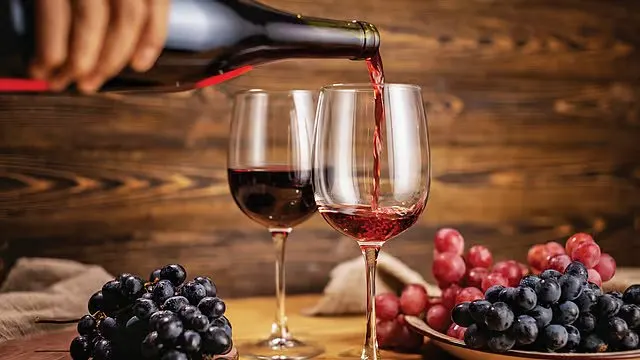
Saperavi — a bold, dark red wine grape known for its rich, full-bodied character.
Rkatsiteli — a crisp, slightly acidic white grape often used in traditional amber wines.
Mtsvane — an aromatic white grape that produces fresh, floral wines.
These native varietals, cultivated for thousands of years in the same valleys, offer wine drinkers a taste of history with every sip.
The New Wave: Georgia's Wine Revolution
While the roots of Georgian wine run deep, a new generation of winemakers is breathing fresh life into the industry. Over the past two decades, Georgia has seen an explosion of boutique wineries, experimental blends, and export-focused production — all while honoring its heritage.
Rediscovering Qvevri Wines
The revival of qvevri wines, with their distinctive amber hues and natural, unfiltered textures, has attracted international acclaim. Wine enthusiasts seeking authenticity and natural winemaking methods have flocked to Georgia to experience these ancient techniques firsthand.
Organic and Natural Wines
Georgia is also at the forefront of the natural and organic wine movement. Many small producers farm organically, avoid added sulfites, and let their wines ferment with wild yeasts — creating pure, expressive wines that reflect the terroir.
Modern Techniques and Innovation
At the same time, large wineries and ambitious entrepreneurs are embracing modern technology — from temperature-controlled fermentation to sleek, contemporary tasting rooms — to appeal to international markets. This marriage of old and new gives Georgia a unique edge in the global wine scene.
A Rising Star in Global Wine Culture
Georgia's wine revolution has not gone unnoticed. Exports have surged in recent years, with Georgian wines now appearing on menus and store shelves in the United States, Europe, Japan, and beyond. Critics have lauded Georgian wines for their character, value, and authenticity.
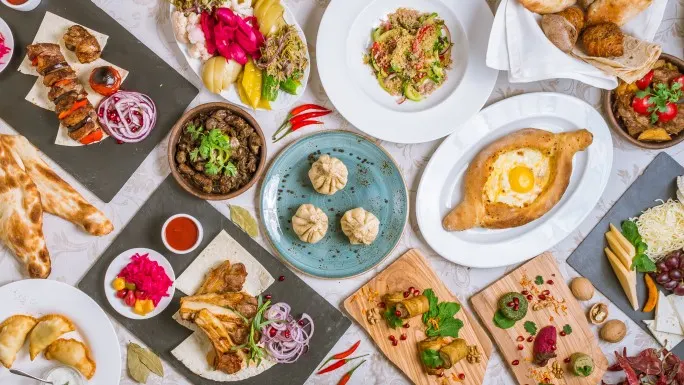
International wine festivals and competitions regularly showcase Georgian vintages, while wine tourism has become one of the country's fastest-growing industries. Wine lovers from all over the world now travel to Georgia to walk its vineyards, meet winemakers, and enjoy the warm hospitality of a supra — the traditional Georgian feast.
Visiting Georgia's Wine Regions
If you want to experience the Georgian wine revolution firsthand, here are the must-visit regions:
Kakheti
Georgia's most famous wine region, located in the east, is home to centuries-old wineries, sprawling vineyards, and picturesque villages. Don't miss the towns of Telavi and Sighnaghi for wine tastings and breathtaking views.
Kartli
Close to the capital Tbilisi, Kartli produces both reds and whites and is known for its sparkling wines and qvevri traditions.
Imereti
In western Georgia, Imereti offers a different style of qvevri wines — lighter, fresher, and perfect with local cuisine.
Tips for Exploring Georgian Wine
Try Amber Wine: Georgia's signature orange-amber wine is a must for any wine lover.
Visit Family Wineries: Many of the best wines are still made in small family cellars.
Join a Supra: No wine experience is complete without a Georgian feast full of toasts, songs, and laughter.
Learn the Toasts: The tamada (toastmaster) leads heartfelt and poetic toasts — an essential part of Georgian wine culture.
Bring Some Home: Many unique Georgian wines are hard to find outside the country, so take a few bottles with you!
Why Now Is the Time
After thousands of years of tradition and decades of obscurity during the Soviet era, Georgian wine is finally taking its rightful place on the world stage. The country's winemakers are proving that innovation and tradition can coexist beautifully — crafting wines that are both timeless and exciting.
Whether you're a seasoned sommelier or simply a curious traveler, Georgia's wine revolution offers an unforgettable experience — a journey through history, culture, and flavor unlike anywhere else.
Raise a glass to 8,000 years of tradition and the bright future of Georgian wine!
But what makes Georgia truly remarkable is not just its ancient heritage — it's the way this tradition is being reinvented for the 21st century. Today, the country is experiencing a wine revolution, blending millennia of artisanal techniques with modern innovation to captivate wine lovers around the globe.
In this article, we explore how Georgia's wine scene is evolving — and why now is the perfect time to experience it for yourself.
The Birthplace of Wine
Georgia's claim as the birthplace of wine is no mere legend. Archaeologists have uncovered 8,000-year-old grape seeds and qvevri (large clay fermentation vessels) embedded in the soil of Kakheti and Kartli — regions still central to winemaking today.
The ancient qvevri method, where wine is fermented and aged in clay vessels buried underground, has been recognized by UNESCO as part of the world's intangible cultural heritage. This unique process imparts earthy, complex flavors to the wine and highlights the close connection between Georgians and their land.
Wine in Georgia is not just a drink — it is a sacred part of social life, religion, and identity. From family gatherings to weddings and religious rituals, wine flows as a symbol of hospitality and joy.
The Traditional Grape Varieties
One of the most fascinating aspects of Georgian wine is its incredible diversity. There are over 500 indigenous grape varieties still grown here — many of them found nowhere else in the world.
Some of the most beloved include:
Saperavi — a bold, dark red wine grape known for its rich, full-bodied character.
Rkatsiteli — a crisp, slightly acidic white grape often used in traditional amber wines.
Mtsvane — an aromatic white grape that produces fresh, floral wines.
These native varietals, cultivated for thousands of years in the same valleys, offer wine drinkers a taste of history with every sip.
The New Wave: Georgia's Wine Revolution
While the roots of Georgian wine run deep, a new generation of winemakers is breathing fresh life into the industry. Over the past two decades, Georgia has seen an explosion of boutique wineries, experimental blends, and export-focused production — all while honoring its heritage.
Rediscovering Qvevri Wines
The revival of qvevri wines, with their distinctive amber hues and natural, unfiltered textures, has attracted international acclaim. Wine enthusiasts seeking authenticity and natural winemaking methods have flocked to Georgia to experience these ancient techniques firsthand.
Organic and Natural Wines
Georgia is also at the forefront of the natural and organic wine movement. Many small producers farm organically, avoid added sulfites, and let their wines ferment with wild yeasts — creating pure, expressive wines that reflect the terroir.
Modern Techniques and Innovation
At the same time, large wineries and ambitious entrepreneurs are embracing modern technology — from temperature-controlled fermentation to sleek, contemporary tasting rooms — to appeal to international markets. This marriage of old and new gives Georgia a unique edge in the global wine scene.
A Rising Star in Global Wine Culture
Georgia's wine revolution has not gone unnoticed. Exports have surged in recent years, with Georgian wines now appearing on menus and store shelves in the United States, Europe, Japan, and beyond. Critics have lauded Georgian wines for their character, value, and authenticity.
International wine festivals and competitions regularly showcase Georgian vintages, while wine tourism has become one of the country's fastest-growing industries. Wine lovers from all over the world now travel to Georgia to walk its vineyards, meet winemakers, and enjoy the warm hospitality of a supra — the traditional Georgian feast.
Visiting Georgia's Wine Regions
If you want to experience the Georgian wine revolution firsthand, here are the must-visit regions:
Kakheti
Georgia's most famous wine region, located in the east, is home to centuries-old wineries, sprawling vineyards, and picturesque villages. Don't miss the towns of Telavi and Sighnaghi for wine tastings and breathtaking views.
Kartli
Close to the capital Tbilisi, Kartli produces both reds and whites and is known for its sparkling wines and qvevri traditions.
Imereti
In western Georgia, Imereti offers a different style of qvevri wines — lighter, fresher, and perfect with local cuisine.
Tips for Exploring Georgian Wine
Try Amber Wine: Georgia's signature orange-amber wine is a must for any wine lover.
Visit Family Wineries: Many of the best wines are still made in small family cellars.
Join a Supra: No wine experience is complete without a Georgian feast full of toasts, songs, and laughter.
Learn the Toasts: The tamada (toastmaster) leads heartfelt and poetic toasts — an essential part of Georgian wine culture.
Bring Some Home: Many unique Georgian wines are hard to find outside the country, so take a few bottles with you!
Why Now Is the Time
After thousands of years of tradition and decades of obscurity during the Soviet era, Georgian wine is finally taking its rightful place on the world stage. The country's winemakers are proving that innovation and tradition can coexist beautifully — crafting wines that are both timeless and exciting.
Whether you're a seasoned sommelier or simply a curious traveler, Georgia's wine revolution offers an unforgettable experience — a journey through history, culture, and flavor unlike anywhere else.
Raise a glass to 8,000 years of tradition and the bright future of Georgian wine!