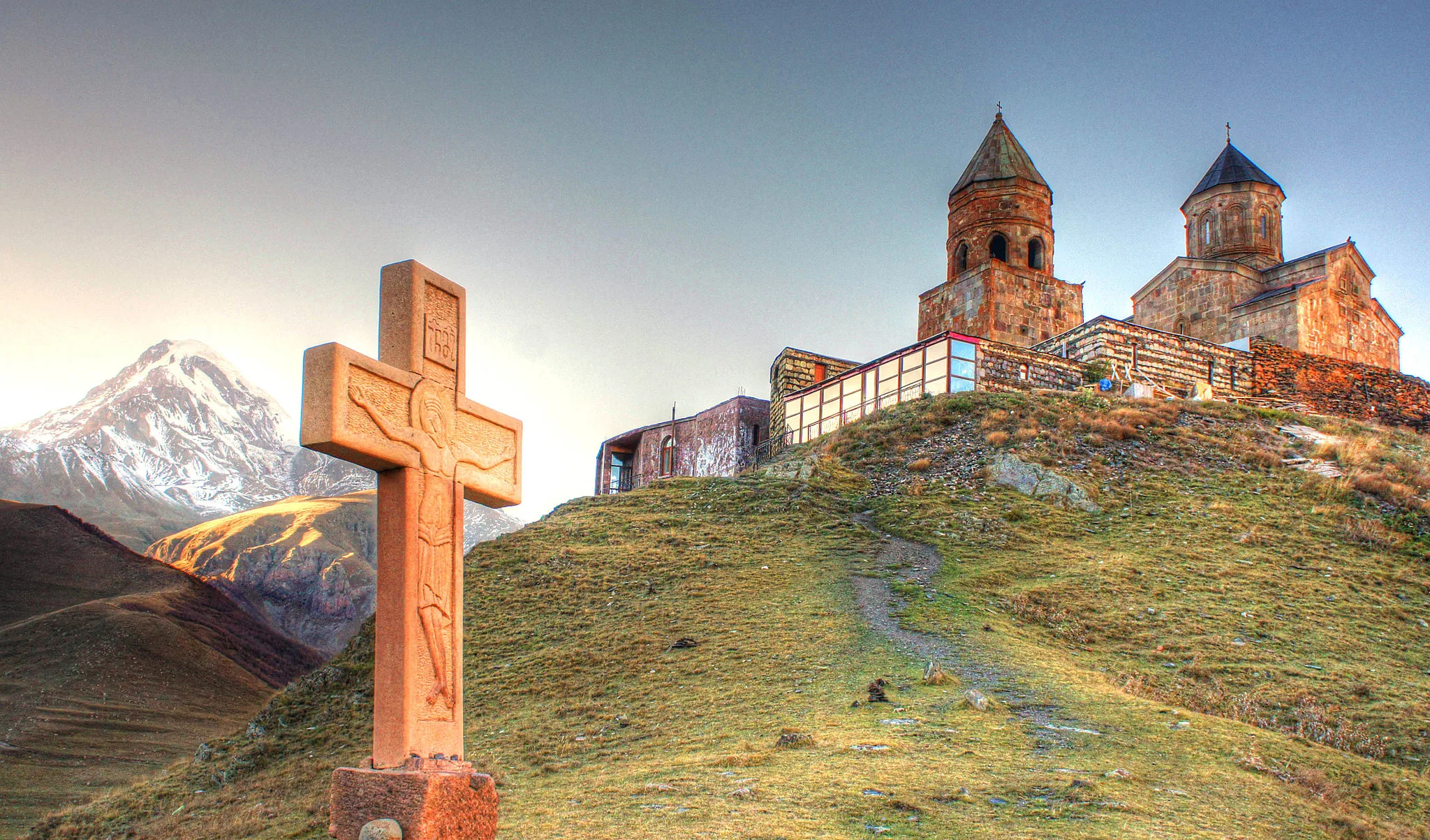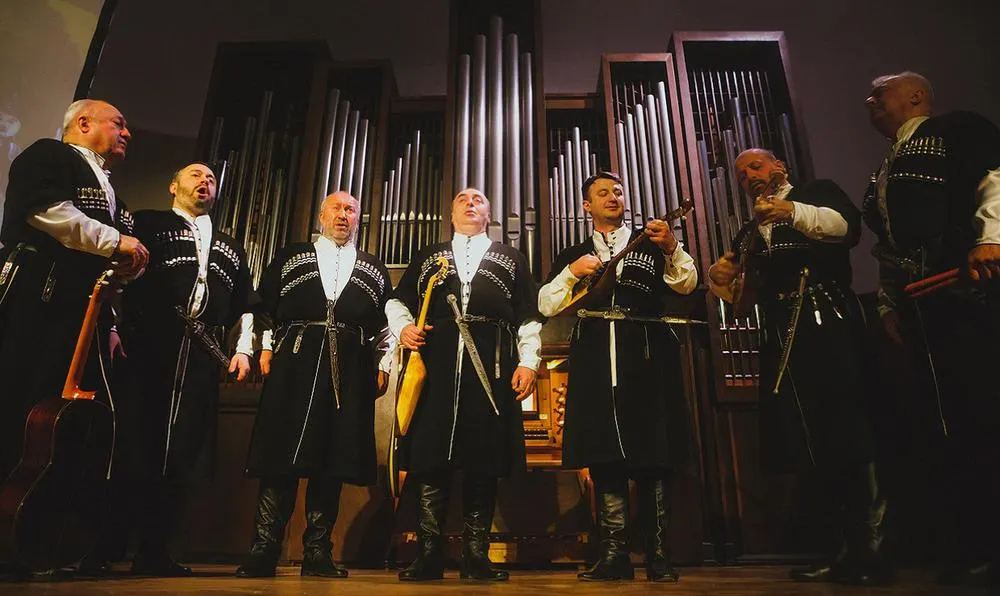
One of Georgia's most treasured cultural gems is its tradition of polyphonic singing — a mesmerizing vocal style characterized by three-part harmonies that have been passed down through centuries. Recognized by UNESCO as an Intangible Cultural Heritage of Humanity, Georgian polyphony is a living art form that continues to thrive in villages, concert halls, and celebrations across the country.
In this article, we'll explore the origins, structure, and cultural significance of Georgian polyphonic singing, and why it remains an essential part of the nation's identity.
What is Georgian Polyphonic Singing?
Unlike Western choral music, Georgian polyphony is deeply rooted in the oral traditions of rural communities and relies heavily on improvisation and emotional expression. The hallmark of this style is its use of three independent vocal lines sung simultaneously, creating rich, resonant harmonies that can be both haunting and uplifting.
Typically, the three voices include:
The melody (usually carried by a soloist or lead singer)
The drone (a sustained note or repeated tone that provides a sonic foundation)
The contrapuntal line (a third part that weaves around the melody and drone, adding texture and complexity)
Together, these layers form a vibrant tapestry of sound that reflects Georgia's mountainous landscapes and diverse regional cultures.
Historical Roots and Regional Styles
Georgian polyphony dates back at least 2,500 years, making it one of the world's oldest continuous vocal traditions. Archaeological findings, ancient manuscripts, and folk legends all attest to the deep historical roots of this practice.
Across Georgia, different regions have developed their own distinct styles of polyphony:
Svaneti: Known for its high-pitched, piercing melodies and rapid shifts in tempo
Guria: Characterized by joyful, rhythmic singing and complex vocal ornamentation
Kakheti: Featuring slow, meditative harmonies and a rich drone base
Each style reflects local history, language dialects, and even the natural environment, creating a fascinating mosaic of sound across the country.
The Role of Polyphony in Georgian Society
Polyphonic singing is more than just music — it's a social and spiritual practice woven into everyday life. Traditionally, songs accompanied agricultural work, religious ceremonies, weddings, and communal gatherings. They helped reinforce social bonds, transmit cultural knowledge, and express collective emotions.
In churches, polyphony enhances liturgical chants, while in villages it fosters a sense of unity and continuity. Singing together is a way of connecting with ancestors and preserving identity in the face of changing times.
UNESCO Recognition and Revival
In 2001, UNESCO recognized Georgian polyphonic singing as a Masterpiece of the Oral and Intangible Heritage of Humanity. This designation helped raise global awareness and sparked renewed interest among younger generations.
Today, polyphony is taught in music schools, performed in concerts worldwide, and proudly showcased at festivals. Groups like the Rustavi Choir and Ensemble Basiani have become international ambassadors of this ancient art.
How to Experience Georgian Polyphony
Visitors to Georgia can experience polyphonic singing in many ways:
Village festivals and celebrations: Where locals gather to sing in the traditional style
Church services: Offering hauntingly beautiful liturgical chants
Concert halls and cultural centers: Featuring professional ensembles performing traditional and contemporary repertoires
Workshops and classes: Allowing visitors to learn the basics of polyphony firsthand
No matter where you hear it, Georgian polyphony is sure to leave a lasting impression.
Conclusion: A Living Tradition
Georgian polyphonic singing is a testament to the country's rich cultural heritage and resilience. This ancient art, rooted in community and spirituality, continues to inspire and unite people today.
By preserving and celebrating polyphony, Georgia not only honors its past but also ensures that this unique voice will echo through generations to come.
This comprehensive exploration of georgian polyphonic singing: the ancient art of three-voice harmony reveals the depth and complexity of Georgian culture and heritage. Through detailed examination of historical development, contemporary significance, and future prospects, we gain a deeper understanding of how this aspect of Georgian life continues to evolve and adapt to modern challenges while maintaining its essential character and cultural authenticity.
The rich tapestry of Georgian traditions, from ancient practices to modern innovations, demonstrates the remarkable resilience and adaptability of Georgian culture. These traditions serve not only as links to the past but also as foundations for future development, ensuring that Georgian cultural heritage remains vibrant and relevant in an increasingly globalized world.
As Georgia continues to engage with international communities and address contemporary challenges, these cultural elements will likely continue to evolve while maintaining their distinctive character and significance. The balance between preservation and innovation, tradition and modernity, will be crucial for ensuring the continued vitality of Georgian cultural heritage.
The future of Georgian culture looks promising, with new generations building on traditional foundations while exploring new possibilities for expression and development. This dynamic engagement with both tradition and innovation ensures that Georgian cultural heritage will continue to flourish and contribute to the broader development of world culture and society.
In this article, we'll explore the origins, structure, and cultural significance of Georgian polyphonic singing, and why it remains an essential part of the nation's identity.
What is Georgian Polyphonic Singing?
Unlike Western choral music, Georgian polyphony is deeply rooted in the oral traditions of rural communities and relies heavily on improvisation and emotional expression. The hallmark of this style is its use of three independent vocal lines sung simultaneously, creating rich, resonant harmonies that can be both haunting and uplifting.
Typically, the three voices include:
The melody (usually carried by a soloist or lead singer)
The drone (a sustained note or repeated tone that provides a sonic foundation)
The contrapuntal line (a third part that weaves around the melody and drone, adding texture and complexity)
Together, these layers form a vibrant tapestry of sound that reflects Georgia's mountainous landscapes and diverse regional cultures.
Historical Roots and Regional Styles
Georgian polyphony dates back at least 2,500 years, making it one of the world's oldest continuous vocal traditions. Archaeological findings, ancient manuscripts, and folk legends all attest to the deep historical roots of this practice.
Across Georgia, different regions have developed their own distinct styles of polyphony:
Svaneti: Known for its high-pitched, piercing melodies and rapid shifts in tempo
Guria: Characterized by joyful, rhythmic singing and complex vocal ornamentation
Kakheti: Featuring slow, meditative harmonies and a rich drone base
Each style reflects local history, language dialects, and even the natural environment, creating a fascinating mosaic of sound across the country.
The Role of Polyphony in Georgian Society
Polyphonic singing is more than just music — it's a social and spiritual practice woven into everyday life. Traditionally, songs accompanied agricultural work, religious ceremonies, weddings, and communal gatherings. They helped reinforce social bonds, transmit cultural knowledge, and express collective emotions.
In churches, polyphony enhances liturgical chants, while in villages it fosters a sense of unity and continuity. Singing together is a way of connecting with ancestors and preserving identity in the face of changing times.
UNESCO Recognition and Revival
In 2001, UNESCO recognized Georgian polyphonic singing as a Masterpiece of the Oral and Intangible Heritage of Humanity. This designation helped raise global awareness and sparked renewed interest among younger generations.
Today, polyphony is taught in music schools, performed in concerts worldwide, and proudly showcased at festivals. Groups like the Rustavi Choir and Ensemble Basiani have become international ambassadors of this ancient art.
How to Experience Georgian Polyphony
Visitors to Georgia can experience polyphonic singing in many ways:
Village festivals and celebrations: Where locals gather to sing in the traditional style
Church services: Offering hauntingly beautiful liturgical chants
Concert halls and cultural centers: Featuring professional ensembles performing traditional and contemporary repertoires
Workshops and classes: Allowing visitors to learn the basics of polyphony firsthand
No matter where you hear it, Georgian polyphony is sure to leave a lasting impression.
Conclusion: A Living Tradition
Georgian polyphonic singing is a testament to the country's rich cultural heritage and resilience. This ancient art, rooted in community and spirituality, continues to inspire and unite people today.
By preserving and celebrating polyphony, Georgia not only honors its past but also ensures that this unique voice will echo through generations to come.
This comprehensive exploration of georgian polyphonic singing: the ancient art of three-voice harmony reveals the depth and complexity of Georgian culture and heritage. Through detailed examination of historical development, contemporary significance, and future prospects, we gain a deeper understanding of how this aspect of Georgian life continues to evolve and adapt to modern challenges while maintaining its essential character and cultural authenticity.
The rich tapestry of Georgian traditions, from ancient practices to modern innovations, demonstrates the remarkable resilience and adaptability of Georgian culture. These traditions serve not only as links to the past but also as foundations for future development, ensuring that Georgian cultural heritage remains vibrant and relevant in an increasingly globalized world.
As Georgia continues to engage with international communities and address contemporary challenges, these cultural elements will likely continue to evolve while maintaining their distinctive character and significance. The balance between preservation and innovation, tradition and modernity, will be crucial for ensuring the continued vitality of Georgian cultural heritage.
The future of Georgian culture looks promising, with new generations building on traditional foundations while exploring new possibilities for expression and development. This dynamic engagement with both tradition and innovation ensures that Georgian cultural heritage will continue to flourish and contribute to the broader development of world culture and society.