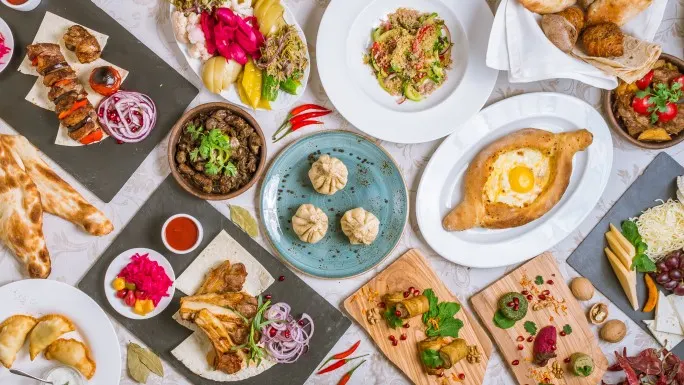
Georgian cuisine is a celebration of flavors, traditions, and hospitality that has been perfected over centuries. From the hearty dumplings of the mountains to the fresh seafood of the coast, every dish tells a story of Georgia's diverse landscapes and cultural heritage.
In this comprehensive guide, we'll explore the essential dishes, cooking techniques, and cultural significance of Georgian cuisine, inviting you to discover why it's considered one of the world's most distinctive and delicious culinary traditions.
The Heart of Georgian Hospitality
At the core of Georgian cuisine lies the concept of supra — the traditional feast that brings together family, friends, and even strangers in a celebration of food, wine, and conversation. The supra is more than just a meal; it's a ritual that embodies Georgian values of generosity, respect, and community.
Every supra begins with a toastmaster, or tamada, who leads the gathering through a series of heartfelt toasts, each one celebrating different aspects of life, love, and friendship. This tradition of communal dining and storytelling has shaped Georgian cuisine into something that nourishes both body and soul.
Essential Georgian Dishes
Khinkali: The Crown Jewel of Georgian Dumplings
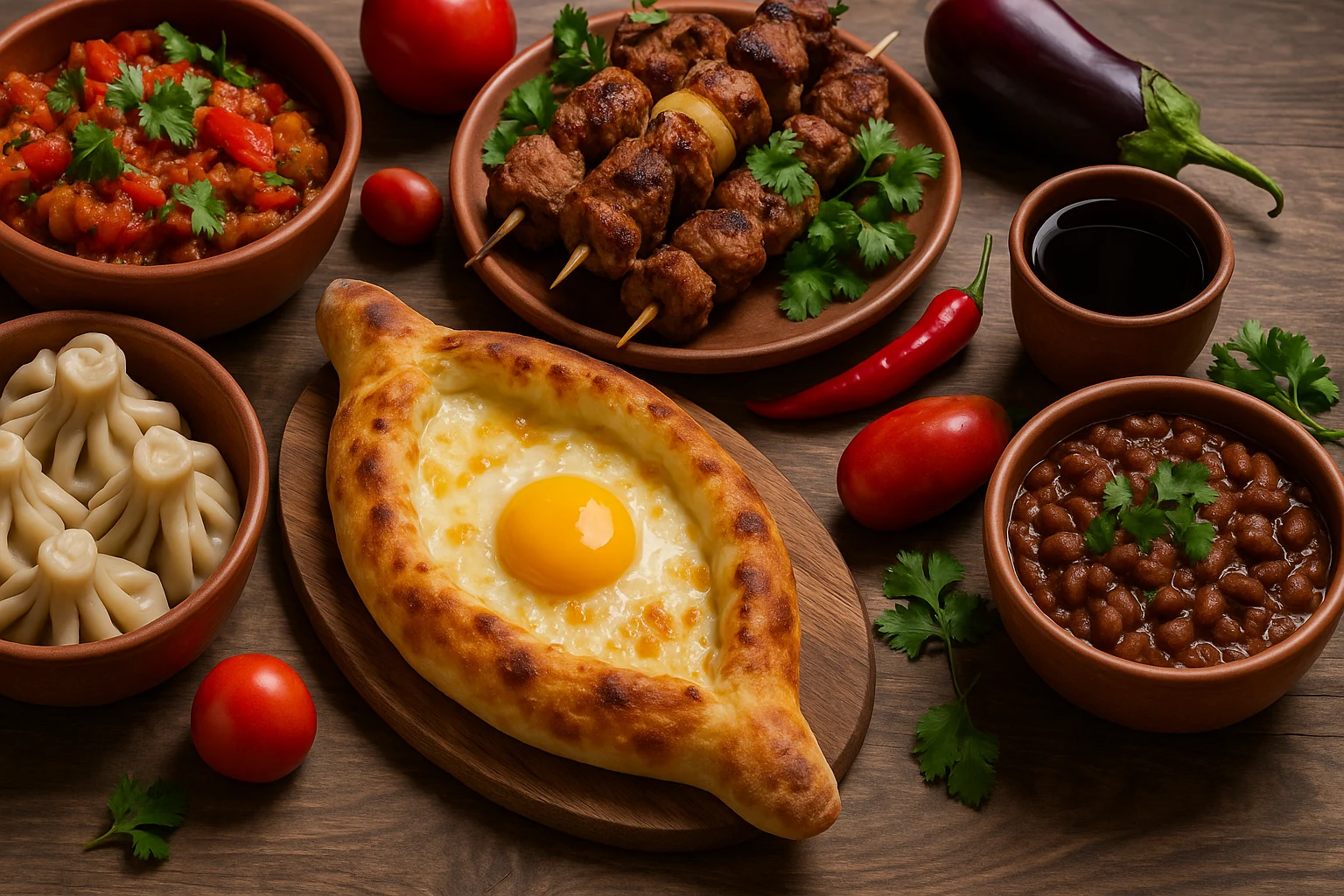
Perhaps the most iconic Georgian dish, khinkali are large, soup-filled dumplings that originated in the mountainous regions of Georgia. Made with a simple dough of flour, water, and salt, they're filled with a mixture of ground meat (usually beef and pork), onions, and spices.
The secret to perfect khinkali lies in the technique: the dumplings are pleated at the top to create a distinctive "handle" that's not eaten but used to hold the dumpling while you take a small bite to sip the hot broth inside.
Khachapuri: Georgia's Beloved Cheese Bread
Khachapuri comes in many regional variations, but the most famous is the Adjarian khachapuri, shaped like a boat and filled with melted cheese, butter, and a raw egg yolk. This indulgent dish is a perfect example of how Georgian cuisine combines simple ingredients to create something extraordinary.
Other popular varieties include Imeretian khachapuri (circular with cheese filling) and Megrelian khachapuri (with additional cheese on top).
Lobio: The Hearty Bean Stew
Lobio, or Georgian bean stew, is a comforting dish made with red beans, onions, garlic, and a variety of herbs and spices. Often served in a clay pot with cornbread, it's a staple of Georgian home cooking that showcases the country's love for hearty, flavorful dishes.
Chicken Satsivi: Aromatic Walnut Sauce
Satsivi is a rich, creamy sauce made from ground walnuts, garlic, and spices, typically served with chicken or turkey. This dish is especially popular during holidays and celebrations, representing the sophisticated side of Georgian cuisine.
Regional Specialties
Georgia's diverse geography has given rise to distinct regional cuisines, each with its own specialties and techniques.
Kakheti: The Wine Region
In Georgia's premier wine region, dishes often feature pomegranate, walnuts, and aromatic herbs. Try the Kakhetian chicken with garlic and herbs, or the region's famous badrijani (eggplant with walnut paste).
Adjara: Coastal Flavors
Along the Black Sea coast, seafood plays a prominent role. Adjarian cuisine features fresh fish, mussels, and the famous Adjarian khachapuri, reflecting the region's maritime heritage.
Svaneti: Mountain Traditions
In the high mountains of Svaneti, hearty dishes like kubdari (meat-filled bread) and svanuri salt (a special blend of spices) reflect the harsh climate and the need for sustaining, warming foods.
The Art of Georgian Cooking
Georgian cuisine relies on several distinctive techniques and ingredients that set it apart from other culinary traditions.
Spices and Herbs
Georgian cooking makes extensive use of fresh herbs like cilantro, dill, basil, and mint, along with spices like coriander, fenugreek, and the famous khmeli suneli (a blend of 12 spices). These ingredients add layers of flavor and aroma to every dish.
The Importance of Walnuts
Walnuts are a cornerstone of Georgian cuisine, used in sauces, stews, and desserts. They provide richness, texture, and a distinctive nutty flavor that's characteristic of Georgian cooking.
Clay Pot Cooking
Many traditional Georgian dishes are cooked in clay pots, which help retain moisture and impart a subtle earthy flavor to the food.
Modern Georgian Cuisine
While traditional dishes remain beloved, contemporary Georgian chefs are putting new twists on classic recipes, creating a vibrant fusion of old and new. Modern Georgian restaurants in Tbilisi and other cities are gaining international recognition for their innovative approaches to traditional flavors.
Where to Experience Georgian Cuisine
For the most authentic experience, visit local restaurants and family-run establishments where recipes have been passed down through generations. Look for places that make their own bread, cheese, and wine — these are often the most authentic.
Cooking Classes and Food Tours
Many visitors choose to take cooking classes or food tours to learn the secrets of Georgian cuisine firsthand. These experiences offer insights into traditional techniques and the cultural significance of different dishes.
Tips for Enjoying Georgian Food
Start with bread: Georgian meals often begin with fresh-baked bread, which is used to scoop up sauces and stews.
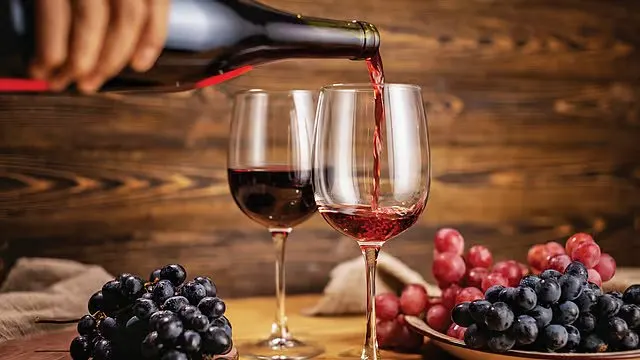
Try the wine: Georgian wine is an essential part of the dining experience, with each region producing distinct varieties.
Share dishes: Georgian cuisine is meant to be shared, so order several dishes and enjoy them family-style.
Don't rush: Georgian meals are leisurely affairs, meant to be savored and enjoyed with good company.
Conclusion: A Culinary Journey
Georgian cuisine is more than just food — it's a window into the soul of a nation that values hospitality, tradition, and the simple pleasures of good food shared with loved ones. Whether you're sampling street food in Tbilisi or enjoying a traditional supra in a mountain village, every bite tells a story of Georgia's rich cultural heritage.
So come with an empty stomach and an open heart, and prepare to fall in love with one of the world's most distinctive and delicious culinary traditions.
In this comprehensive guide, we'll explore the essential dishes, cooking techniques, and cultural significance of Georgian cuisine, inviting you to discover why it's considered one of the world's most distinctive and delicious culinary traditions.
The Heart of Georgian Hospitality
At the core of Georgian cuisine lies the concept of supra — the traditional feast that brings together family, friends, and even strangers in a celebration of food, wine, and conversation. The supra is more than just a meal; it's a ritual that embodies Georgian values of generosity, respect, and community.
Every supra begins with a toastmaster, or tamada, who leads the gathering through a series of heartfelt toasts, each one celebrating different aspects of life, love, and friendship. This tradition of communal dining and storytelling has shaped Georgian cuisine into something that nourishes both body and soul.
Essential Georgian Dishes
Khinkali: The Crown Jewel of Georgian Dumplings
Perhaps the most iconic Georgian dish, khinkali are large, soup-filled dumplings that originated in the mountainous regions of Georgia. Made with a simple dough of flour, water, and salt, they're filled with a mixture of ground meat (usually beef and pork), onions, and spices.
The secret to perfect khinkali lies in the technique: the dumplings are pleated at the top to create a distinctive "handle" that's not eaten but used to hold the dumpling while you take a small bite to sip the hot broth inside.
Khachapuri: Georgia's Beloved Cheese Bread
Khachapuri comes in many regional variations, but the most famous is the Adjarian khachapuri, shaped like a boat and filled with melted cheese, butter, and a raw egg yolk. This indulgent dish is a perfect example of how Georgian cuisine combines simple ingredients to create something extraordinary.
Other popular varieties include Imeretian khachapuri (circular with cheese filling) and Megrelian khachapuri (with additional cheese on top).
Lobio: The Hearty Bean Stew
Lobio, or Georgian bean stew, is a comforting dish made with red beans, onions, garlic, and a variety of herbs and spices. Often served in a clay pot with cornbread, it's a staple of Georgian home cooking that showcases the country's love for hearty, flavorful dishes.
Chicken Satsivi: Aromatic Walnut Sauce
Satsivi is a rich, creamy sauce made from ground walnuts, garlic, and spices, typically served with chicken or turkey. This dish is especially popular during holidays and celebrations, representing the sophisticated side of Georgian cuisine.
Regional Specialties
Georgia's diverse geography has given rise to distinct regional cuisines, each with its own specialties and techniques.
Kakheti: The Wine Region
In Georgia's premier wine region, dishes often feature pomegranate, walnuts, and aromatic herbs. Try the Kakhetian chicken with garlic and herbs, or the region's famous badrijani (eggplant with walnut paste).
Adjara: Coastal Flavors
Along the Black Sea coast, seafood plays a prominent role. Adjarian cuisine features fresh fish, mussels, and the famous Adjarian khachapuri, reflecting the region's maritime heritage.
Svaneti: Mountain Traditions
In the high mountains of Svaneti, hearty dishes like kubdari (meat-filled bread) and svanuri salt (a special blend of spices) reflect the harsh climate and the need for sustaining, warming foods.
The Art of Georgian Cooking
Georgian cuisine relies on several distinctive techniques and ingredients that set it apart from other culinary traditions.
Spices and Herbs
Georgian cooking makes extensive use of fresh herbs like cilantro, dill, basil, and mint, along with spices like coriander, fenugreek, and the famous khmeli suneli (a blend of 12 spices). These ingredients add layers of flavor and aroma to every dish.
The Importance of Walnuts
Walnuts are a cornerstone of Georgian cuisine, used in sauces, stews, and desserts. They provide richness, texture, and a distinctive nutty flavor that's characteristic of Georgian cooking.
Clay Pot Cooking
Many traditional Georgian dishes are cooked in clay pots, which help retain moisture and impart a subtle earthy flavor to the food.
Modern Georgian Cuisine
While traditional dishes remain beloved, contemporary Georgian chefs are putting new twists on classic recipes, creating a vibrant fusion of old and new. Modern Georgian restaurants in Tbilisi and other cities are gaining international recognition for their innovative approaches to traditional flavors.
Where to Experience Georgian Cuisine
For the most authentic experience, visit local restaurants and family-run establishments where recipes have been passed down through generations. Look for places that make their own bread, cheese, and wine — these are often the most authentic.
Cooking Classes and Food Tours
Many visitors choose to take cooking classes or food tours to learn the secrets of Georgian cuisine firsthand. These experiences offer insights into traditional techniques and the cultural significance of different dishes.
Tips for Enjoying Georgian Food
Start with bread: Georgian meals often begin with fresh-baked bread, which is used to scoop up sauces and stews.
Try the wine: Georgian wine is an essential part of the dining experience, with each region producing distinct varieties.
Share dishes: Georgian cuisine is meant to be shared, so order several dishes and enjoy them family-style.
Don't rush: Georgian meals are leisurely affairs, meant to be savored and enjoyed with good company.
Conclusion: A Culinary Journey
Georgian cuisine is more than just food — it's a window into the soul of a nation that values hospitality, tradition, and the simple pleasures of good food shared with loved ones. Whether you're sampling street food in Tbilisi or enjoying a traditional supra in a mountain village, every bite tells a story of Georgia's rich cultural heritage.
So come with an empty stomach and an open heart, and prepare to fall in love with one of the world's most distinctive and delicious culinary traditions.