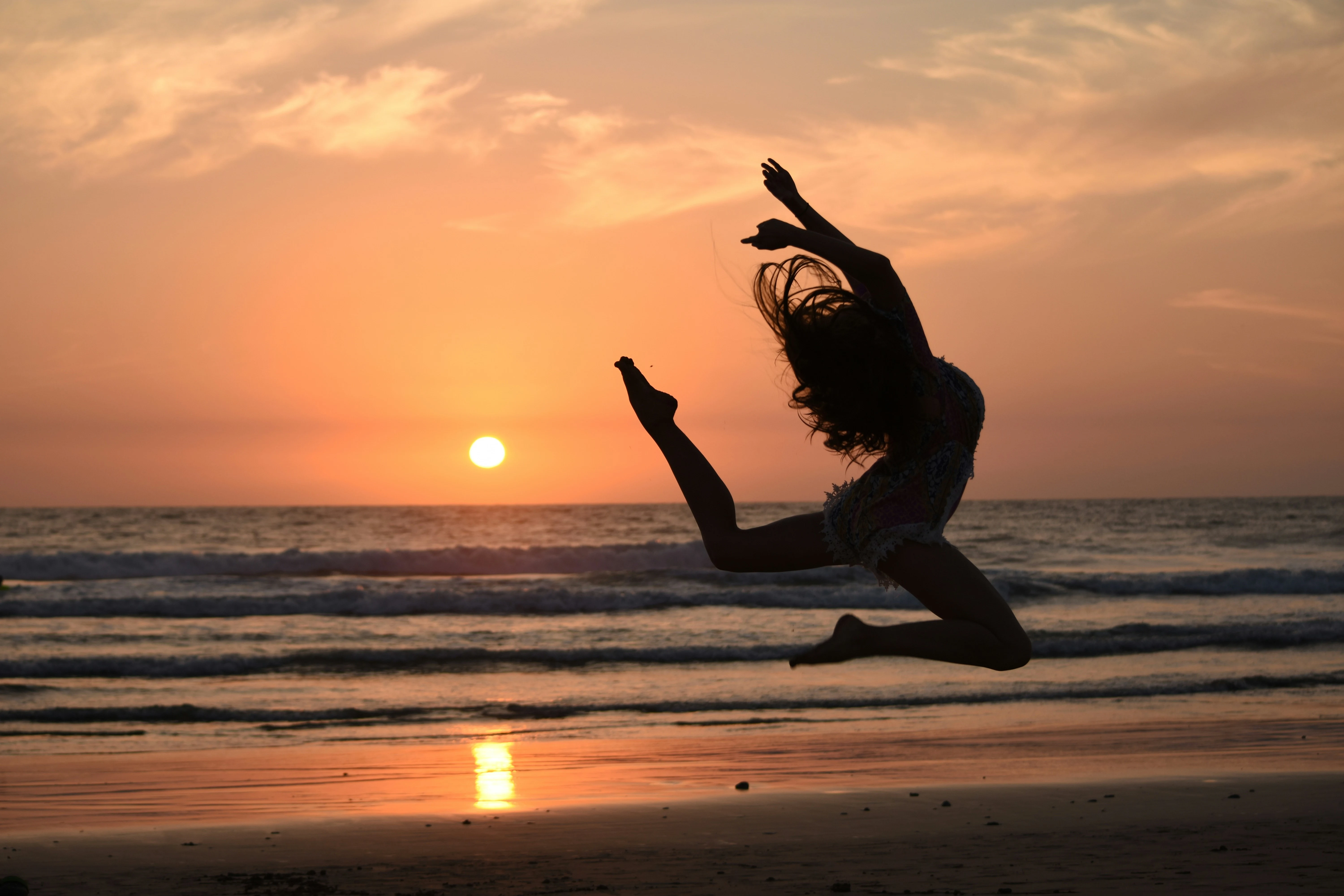
Georgian dance is one of the world's most distinctive and captivating performing arts, combining ancient traditions with breathtaking athleticism. From the graceful movements of women to the powerful leaps of men, Georgian dance tells stories of love, war, celebration, and daily life through a unique vocabulary of movement that has been perfected over centuries.
In this exploration of Georgian dance, we'll discover the history, styles, and cultural significance of this remarkable art form that continues to enthrall audiences around the world.
The Origins of Georgian Dance
Georgian dance has roots that stretch back thousands of years, with evidence suggesting it evolved from ancient religious rituals and social celebrations. The dances reflect Georgia's complex history, incorporating elements from various cultures that have influenced the region over the centuries.
Early forms of Georgian dance were likely performed during religious ceremonies, agricultural celebrations, and social gatherings. Over time, these dances became more sophisticated, developing into the complex art form we know today.
Distinctive Characteristics
Georgian dance is characterized by several unique features that set it apart from other dance traditions:
Gender-specific movements: Men and women perform distinct roles, with men often demonstrating strength and athleticism while women display grace and elegance
Complex footwork: Intricate patterns and rapid movements that require years of training to master
Storytelling elements: Many dances tell specific stories or represent particular emotions or situations
Traditional costumes: Elaborate dress that enhances the visual impact of the performance
Regional Styles and Variations
Different regions of Georgia have developed their own distinctive dance styles:
Kartli-Kakheti: Known for elegant, refined movements and sophisticated choreography
Svaneti: Characterized by powerful, dramatic movements reflecting the harsh mountain environment
Adjara: Features lively, energetic dances with coastal influences
Guria: Known for its unique polyrhythmic dances and complex musical accompaniment
Imereti: Combines elements from various regions with its own distinctive style
Famous Georgian Dances
Several Georgian dances have become internationally recognized for their beauty and complexity:
Kartuli: The most famous Georgian dance, performed by a couple and symbolizing courtship and romance
Khorumi: A war dance performed by men, representing battle and victory
Samaia: A dance performed by three women, symbolizing the three ages of womanhood
Acharuli: A lively dance from Adjara featuring colorful costumes and energetic movements
Parikaoba: A dance from Svaneti known for its dramatic movements and traditional costumes
The Role of Music
Georgian dance is inseparable from its musical accompaniment, which typically features:
Traditional instruments: Panduri (three-stringed lute), doli (drum), and various wind instruments
Complex rhythms: Polyrhythmic patterns that challenge even the most skilled dancers
Vocal accompaniment: Traditional songs that enhance the emotional impact of the dance
Training and Education
Becoming a Georgian dancer requires years of dedicated training:
Early start: Many dancers begin training as children
Physical conditioning: Dancers must develop strength, flexibility, and endurance
Cultural education: Understanding the history and meaning behind each dance
Performance skills: Learning to connect with audiences and convey emotion
Modern Developments
While Georgian dance remains deeply rooted in tradition, it has also evolved to meet contemporary needs:
Professional companies: Groups like the Georgian National Ballet perform internationally
Contemporary interpretations: Modern choreographers creating new works based on traditional forms
Educational programs: Schools and workshops teaching Georgian dance around the world
Cultural preservation: Efforts to document and preserve traditional dance forms
International Recognition
Georgian dance has gained international acclaim through:
Tour performances: Companies touring worldwide to showcase Georgian culture
Cultural exchanges: Collaborations with dancers and companies from other countries
Festival appearances: Participation in international dance festivals
Media exposure: Documentaries and performances reaching global audiences
The Cultural Significance
Georgian dance serves multiple cultural functions:
Preservation of tradition: Maintaining ancient customs and stories
Community building: Bringing people together for celebrations and performances
National identity: Representing Georgia's unique cultural heritage
Educational tool: Teaching history and values through movement
Experiencing Georgian Dance
Visitors to Georgia can experience Georgian dance in several ways:
Professional performances: Attending shows by the Georgian National Ballet or other companies
Cultural events: Watching traditional dances at festivals and celebrations
Dance classes: Learning basic movements from local instructors
Village performances: Experiencing authentic dances in rural communities
The Future of Georgian Dance
As Georgia continues to develop, its dance tradition is evolving:
Innovation: New choreographers creating contemporary works
Preservation: Efforts to maintain traditional forms and techniques
Education: Programs to train the next generation of dancers
International collaboration: Working with dancers and companies worldwide
Conclusion: A Living Art Form
Georgian dance is more than just entertainment — it's a living tradition that connects past and present, telling the stories of a people through movement, music, and emotion. From the ancient rituals of mountain villages to the sophisticated performances of modern companies, Georgian dance continues to captivate and inspire audiences around the world.
Whether you're watching a professional performance or joining in a village celebration, Georgian dance offers a unique window into the soul of Georgia, revealing the grace, strength, and passion that define this remarkable culture.
In this exploration of Georgian dance, we'll discover the history, styles, and cultural significance of this remarkable art form that continues to enthrall audiences around the world.
The Origins of Georgian Dance
Georgian dance has roots that stretch back thousands of years, with evidence suggesting it evolved from ancient religious rituals and social celebrations. The dances reflect Georgia's complex history, incorporating elements from various cultures that have influenced the region over the centuries.
Early forms of Georgian dance were likely performed during religious ceremonies, agricultural celebrations, and social gatherings. Over time, these dances became more sophisticated, developing into the complex art form we know today.
Distinctive Characteristics
Georgian dance is characterized by several unique features that set it apart from other dance traditions:
Gender-specific movements: Men and women perform distinct roles, with men often demonstrating strength and athleticism while women display grace and elegance
Complex footwork: Intricate patterns and rapid movements that require years of training to master
Storytelling elements: Many dances tell specific stories or represent particular emotions or situations
Traditional costumes: Elaborate dress that enhances the visual impact of the performance
Regional Styles and Variations
Different regions of Georgia have developed their own distinctive dance styles:
Kartli-Kakheti: Known for elegant, refined movements and sophisticated choreography
Svaneti: Characterized by powerful, dramatic movements reflecting the harsh mountain environment
Adjara: Features lively, energetic dances with coastal influences
Guria: Known for its unique polyrhythmic dances and complex musical accompaniment
Imereti: Combines elements from various regions with its own distinctive style
Famous Georgian Dances
Several Georgian dances have become internationally recognized for their beauty and complexity:
Kartuli: The most famous Georgian dance, performed by a couple and symbolizing courtship and romance
Khorumi: A war dance performed by men, representing battle and victory
Samaia: A dance performed by three women, symbolizing the three ages of womanhood
Acharuli: A lively dance from Adjara featuring colorful costumes and energetic movements
Parikaoba: A dance from Svaneti known for its dramatic movements and traditional costumes
The Role of Music
Georgian dance is inseparable from its musical accompaniment, which typically features:
Traditional instruments: Panduri (three-stringed lute), doli (drum), and various wind instruments
Complex rhythms: Polyrhythmic patterns that challenge even the most skilled dancers
Vocal accompaniment: Traditional songs that enhance the emotional impact of the dance
Training and Education
Becoming a Georgian dancer requires years of dedicated training:
Early start: Many dancers begin training as children
Physical conditioning: Dancers must develop strength, flexibility, and endurance
Cultural education: Understanding the history and meaning behind each dance
Performance skills: Learning to connect with audiences and convey emotion
Modern Developments
While Georgian dance remains deeply rooted in tradition, it has also evolved to meet contemporary needs:
Professional companies: Groups like the Georgian National Ballet perform internationally
Contemporary interpretations: Modern choreographers creating new works based on traditional forms
Educational programs: Schools and workshops teaching Georgian dance around the world
Cultural preservation: Efforts to document and preserve traditional dance forms
International Recognition
Georgian dance has gained international acclaim through:
Tour performances: Companies touring worldwide to showcase Georgian culture
Cultural exchanges: Collaborations with dancers and companies from other countries
Festival appearances: Participation in international dance festivals
Media exposure: Documentaries and performances reaching global audiences
The Cultural Significance
Georgian dance serves multiple cultural functions:
Preservation of tradition: Maintaining ancient customs and stories
Community building: Bringing people together for celebrations and performances
National identity: Representing Georgia's unique cultural heritage
Educational tool: Teaching history and values through movement
Experiencing Georgian Dance
Visitors to Georgia can experience Georgian dance in several ways:
Professional performances: Attending shows by the Georgian National Ballet or other companies
Cultural events: Watching traditional dances at festivals and celebrations
Dance classes: Learning basic movements from local instructors
Village performances: Experiencing authentic dances in rural communities
The Future of Georgian Dance
As Georgia continues to develop, its dance tradition is evolving:
Innovation: New choreographers creating contemporary works
Preservation: Efforts to maintain traditional forms and techniques
Education: Programs to train the next generation of dancers
International collaboration: Working with dancers and companies worldwide
Conclusion: A Living Art Form
Georgian dance is more than just entertainment — it's a living tradition that connects past and present, telling the stories of a people through movement, music, and emotion. From the ancient rituals of mountain villages to the sophisticated performances of modern companies, Georgian dance continues to captivate and inspire audiences around the world.
Whether you're watching a professional performance or joining in a village celebration, Georgian dance offers a unique window into the soul of Georgia, revealing the grace, strength, and passion that define this remarkable culture.