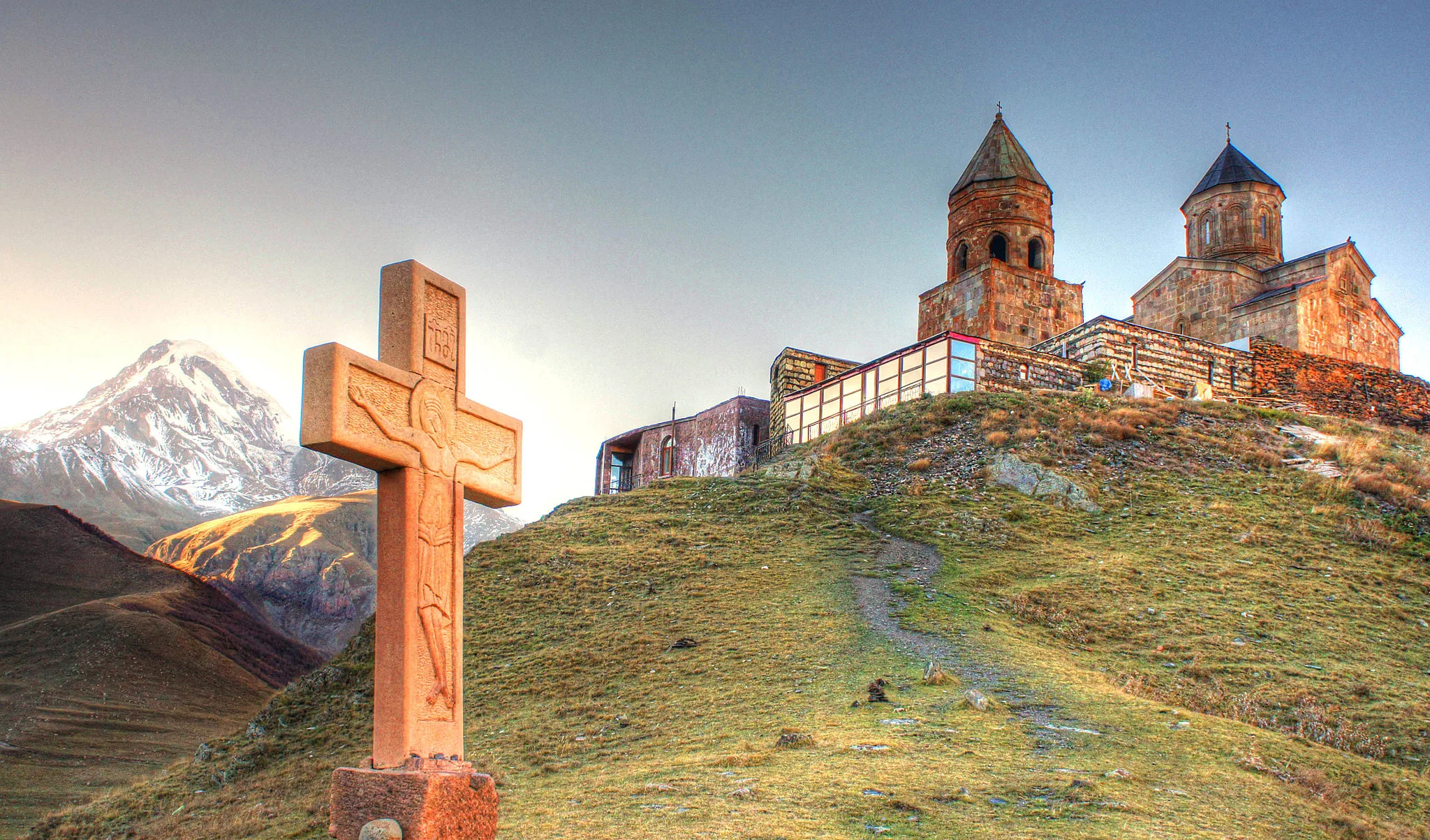
Georgia's history is a tapestry woven with threads of ancient civilizations, powerful kingdoms, foreign invasions, cultural renaissance, and modern transformation. From the legendary tales of Jason and the Argonauts to the contemporary challenges of building a democratic society, Georgia's story is one of resilience, cultural richness, and enduring national identity.
In this comprehensive exploration, we'll trace Georgia's historical journey from its earliest beginnings to its current status as a modern nation in the Caucasus.
Ancient Origins: The Dawn of Georgian Civilization
The story of Georgia begins in the mists of prehistory, with archaeological evidence suggesting human habitation dating back over 1.8 million years. The region's strategic location between Europe and Asia made it a crossroads of civilizations and a coveted territory for various empires.
Early Georgian tribes, including the Colchians and Iberians, established sophisticated societies with advanced agricultural practices, metalworking skills, and complex social structures. The legendary Kingdom of Colchis, mentioned in Greek mythology as the destination of Jason's quest for the Golden Fleece, represents one of Georgia's earliest known political entities.
The Classical Period: Greek and Roman Influences
During the classical period, Georgia experienced significant cultural and political development:
Greek colonization: Greek colonies established along the Black Sea coast
Roman influence: Georgia came under Roman influence, though maintaining significant autonomy
Cultural exchange: The blending of local traditions with Greek and Roman elements
Development of writing: The creation of early Georgian scripts and literary traditions
The Golden Age: Medieval Georgia's Peak
Between the 11th and 13th centuries, Georgia experienced its golden age under the rule of powerful monarchs, particularly Queen Tamar (1184-1213). This period saw:
Territorial expansion: Georgia's borders extended from the Black Sea to the Caspian
Cultural flourishing: Remarkable achievements in architecture, literature, and the arts
Religious development: The Georgian Orthodox Church became a central institution
Political stability: A sophisticated feudal system and strong central authority
This era produced some of Georgia's most enduring cultural monuments, including the Gelati Monastery and numerous churches and fortresses.
The Mongol Period and Decline
The 13th century brought the Mongol invasions, which devastated Georgia and marked the beginning of a long period of decline. The country faced:
Repeated invasions: From Mongols, Timur, and other Central Asian powers
Political fragmentation: The once-unified kingdom split into smaller entities
Economic disruption: Trade routes shifted and economic activity declined
Cultural preservation: Despite hardships, Georgian culture and identity endured
Ottoman and Persian Rule
From the 16th to the 18th centuries, Georgia found itself caught between two powerful empires:
Ottoman Empire: Controlled western Georgia and the Black Sea coast
Persian Empire: Dominated eastern Georgia and the mountainous regions
Cultural resistance: Georgians maintained their language, religion, and traditions
Diplomatic maneuvering: Georgian rulers sought to balance relations with both powers
The Russian Period: Integration and Resistance
In the 19th century, Georgia gradually came under Russian control, a process that brought both benefits and challenges:
Modernization: Introduction of European-style institutions and infrastructure
Cultural renaissance: Revival of Georgian literature, arts, and national consciousness
Political repression: Periods of harsh rule and suppression of national aspirations
Economic development: Integration into the Russian imperial economy
The Soviet Era: Transformation and Struggle
Georgia's experience under Soviet rule (1921-1991) was complex and multifaceted:
Industrialization: Rapid development of industry and infrastructure
Cultural policies: Both promotion and suppression of Georgian culture
Political repression: Stalin's purges and other forms of political violence
National identity: Continued preservation of Georgian language and traditions
Modern Georgia: Independence and Democracy
Since gaining independence in 1991, Georgia has faced numerous challenges and opportunities:
Democratic development: Building democratic institutions and practices
Economic reform: Transition from planned to market economy
International integration: Seeking closer ties with Europe and the West
Territorial challenges: Dealing with separatist regions and Russian influence
Contemporary Challenges and Achievements
Modern Georgia continues to navigate complex political and social issues:
Democratic consolidation: Strengthening democratic institutions and practices
Economic development: Building a modern, competitive economy
Cultural preservation: Maintaining traditions while embracing modernity
International relations: Balancing relations with various regional and global powers
Georgia's Cultural Legacy
Throughout its turbulent history, Georgia has maintained a rich cultural heritage:
Language: The Georgian language, with its unique alphabet, has survived centuries of foreign rule
Religion: The Georgian Orthodox Church has been a central institution for over 1,500 years
Arts and literature: A tradition of sophisticated literature, music, and visual arts
Architecture: Unique styles that blend local traditions with various foreign influences
The Future of Georgia
As Georgia looks to the future, it faces both opportunities and challenges:
European integration: Aspiring to closer ties with the European Union
Economic development: Building a prosperous, modern economy
Cultural preservation: Maintaining unique traditions in a globalized world
Democratic consolidation: Strengthening democratic institutions and practices
Conclusion: A Nation's Journey
Georgia's history is a testament to the resilience of human culture and the enduring power of national identity. From the ancient kingdoms of Colchis and Iberia to the modern democratic republic, Georgia has maintained its unique character while adapting to changing circumstances.
Today, Georgia stands as a bridge between East and West, preserving its rich cultural heritage while embracing the challenges and opportunities of the 21st century. The country's history serves as a reminder that even small nations can have a profound impact on world culture and that the human spirit can endure through even the most difficult circumstances.
As Georgia continues its journey into the future, it carries with it the lessons of its past — the importance of cultural preservation, the value of resilience, and the power of national unity in the face of adversity.
In this comprehensive exploration, we'll trace Georgia's historical journey from its earliest beginnings to its current status as a modern nation in the Caucasus.
Ancient Origins: The Dawn of Georgian Civilization
The story of Georgia begins in the mists of prehistory, with archaeological evidence suggesting human habitation dating back over 1.8 million years. The region's strategic location between Europe and Asia made it a crossroads of civilizations and a coveted territory for various empires.
Early Georgian tribes, including the Colchians and Iberians, established sophisticated societies with advanced agricultural practices, metalworking skills, and complex social structures. The legendary Kingdom of Colchis, mentioned in Greek mythology as the destination of Jason's quest for the Golden Fleece, represents one of Georgia's earliest known political entities.
The Classical Period: Greek and Roman Influences
During the classical period, Georgia experienced significant cultural and political development:
Greek colonization: Greek colonies established along the Black Sea coast
Roman influence: Georgia came under Roman influence, though maintaining significant autonomy
Cultural exchange: The blending of local traditions with Greek and Roman elements
Development of writing: The creation of early Georgian scripts and literary traditions
The Golden Age: Medieval Georgia's Peak
Between the 11th and 13th centuries, Georgia experienced its golden age under the rule of powerful monarchs, particularly Queen Tamar (1184-1213). This period saw:
Territorial expansion: Georgia's borders extended from the Black Sea to the Caspian
Cultural flourishing: Remarkable achievements in architecture, literature, and the arts
Religious development: The Georgian Orthodox Church became a central institution
Political stability: A sophisticated feudal system and strong central authority
This era produced some of Georgia's most enduring cultural monuments, including the Gelati Monastery and numerous churches and fortresses.
The Mongol Period and Decline
The 13th century brought the Mongol invasions, which devastated Georgia and marked the beginning of a long period of decline. The country faced:
Repeated invasions: From Mongols, Timur, and other Central Asian powers
Political fragmentation: The once-unified kingdom split into smaller entities
Economic disruption: Trade routes shifted and economic activity declined
Cultural preservation: Despite hardships, Georgian culture and identity endured
Ottoman and Persian Rule
From the 16th to the 18th centuries, Georgia found itself caught between two powerful empires:
Ottoman Empire: Controlled western Georgia and the Black Sea coast
Persian Empire: Dominated eastern Georgia and the mountainous regions
Cultural resistance: Georgians maintained their language, religion, and traditions
Diplomatic maneuvering: Georgian rulers sought to balance relations with both powers
The Russian Period: Integration and Resistance
In the 19th century, Georgia gradually came under Russian control, a process that brought both benefits and challenges:
Modernization: Introduction of European-style institutions and infrastructure
Cultural renaissance: Revival of Georgian literature, arts, and national consciousness
Political repression: Periods of harsh rule and suppression of national aspirations
Economic development: Integration into the Russian imperial economy
The Soviet Era: Transformation and Struggle
Georgia's experience under Soviet rule (1921-1991) was complex and multifaceted:
Industrialization: Rapid development of industry and infrastructure
Cultural policies: Both promotion and suppression of Georgian culture
Political repression: Stalin's purges and other forms of political violence
National identity: Continued preservation of Georgian language and traditions
Modern Georgia: Independence and Democracy
Since gaining independence in 1991, Georgia has faced numerous challenges and opportunities:
Democratic development: Building democratic institutions and practices
Economic reform: Transition from planned to market economy
International integration: Seeking closer ties with Europe and the West
Territorial challenges: Dealing with separatist regions and Russian influence
Contemporary Challenges and Achievements
Modern Georgia continues to navigate complex political and social issues:
Democratic consolidation: Strengthening democratic institutions and practices
Economic development: Building a modern, competitive economy
Cultural preservation: Maintaining traditions while embracing modernity
International relations: Balancing relations with various regional and global powers
Georgia's Cultural Legacy
Throughout its turbulent history, Georgia has maintained a rich cultural heritage:
Language: The Georgian language, with its unique alphabet, has survived centuries of foreign rule
Religion: The Georgian Orthodox Church has been a central institution for over 1,500 years
Arts and literature: A tradition of sophisticated literature, music, and visual arts
Architecture: Unique styles that blend local traditions with various foreign influences
The Future of Georgia
As Georgia looks to the future, it faces both opportunities and challenges:
European integration: Aspiring to closer ties with the European Union
Economic development: Building a prosperous, modern economy
Cultural preservation: Maintaining unique traditions in a globalized world
Democratic consolidation: Strengthening democratic institutions and practices
Conclusion: A Nation's Journey
Georgia's history is a testament to the resilience of human culture and the enduring power of national identity. From the ancient kingdoms of Colchis and Iberia to the modern democratic republic, Georgia has maintained its unique character while adapting to changing circumstances.
Today, Georgia stands as a bridge between East and West, preserving its rich cultural heritage while embracing the challenges and opportunities of the 21st century. The country's history serves as a reminder that even small nations can have a profound impact on world culture and that the human spirit can endure through even the most difficult circumstances.
As Georgia continues its journey into the future, it carries with it the lessons of its past — the importance of cultural preservation, the value of resilience, and the power of national unity in the face of adversity.