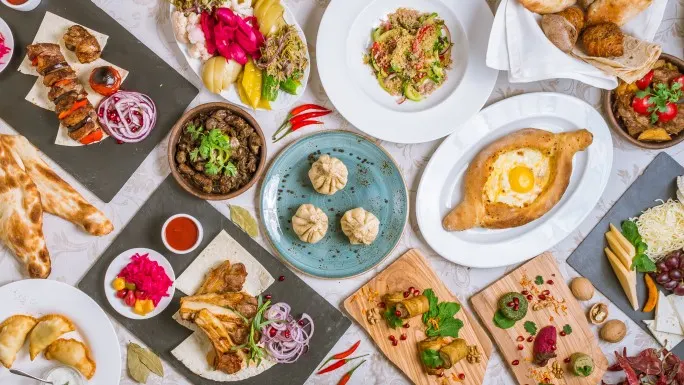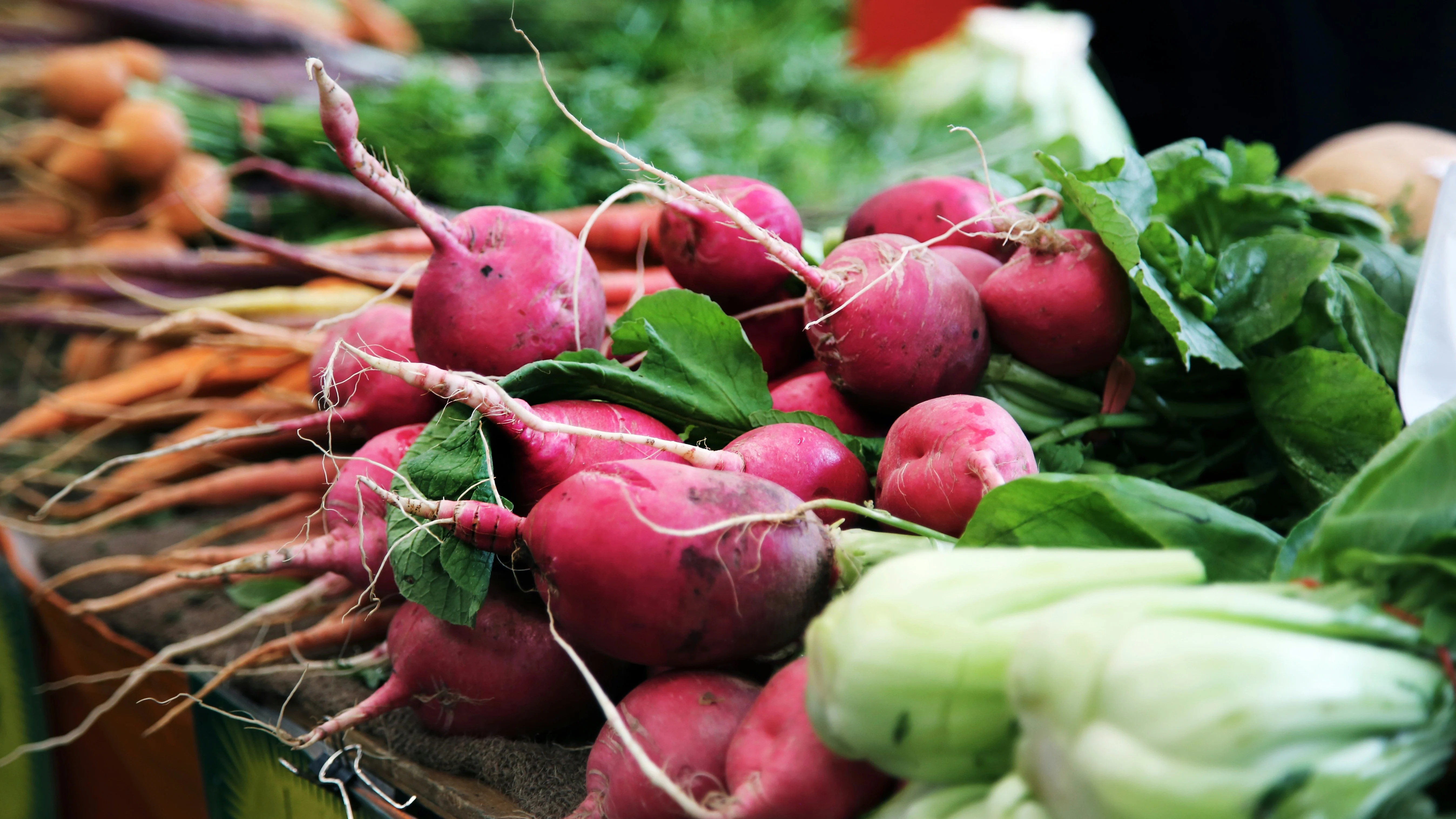
Georgia's markets are more than just places to buy and sell — they are vibrant centers of community life, cultural exchange, and traditional commerce. From the bustling stalls of Tbilisi's Dezerter Bazaar to the small village markets in the mountains, these spaces offer visitors a unique window into Georgian daily life and traditions.
In this exploration of Georgia's markets, we'll discover the sights, sounds, and flavors that make these places so special, and learn why they remain essential to Georgian culture and society.
The Heart of Georgian Commerce
Markets have been central to Georgian life for centuries, serving as places where people gather not just to trade goods, but to exchange news, share stories, and build community bonds. In a country where personal relationships and hospitality are so important, markets provide the perfect setting for social interaction.
Traditional markets in Georgia are characterized by their lively atmosphere, colorful displays, and the warm hospitality of vendors who are often eager to share their knowledge about their products and local traditions.
Tbilisi's Famous Markets
Dezerter Bazaar: The Grand Market of Tbilisi
Dezerter Bazaar is Tbilisi's largest and most famous market, a sprawling complex that has been the heart of the city's commercial life for over a century. Here you'll find everything from fresh produce and spices to traditional crafts and household goods.
The market is organized into sections, with different areas specializing in different types of products:
Fresh produce: Seasonal fruits and vegetables from local farms
Spices and herbs: Traditional Georgian spices and medicinal herbs
Dairy products: Fresh cheese, yogurt, and other dairy items
Meat and fish: Fresh meat, poultry, and fish from local suppliers
Traditional crafts: Handmade items including textiles, pottery, and jewelry
Dry Bridge Market: Antiques and Collectibles
Located near the Dry Bridge in Tbilisi, this market is famous for its antiques, Soviet memorabilia, and collectible items. It's a fascinating place to browse for unique souvenirs and learn about Georgia's recent history.
Visitors can find:
Soviet-era items: Books, posters, medals, and other memorabilia
Traditional crafts: Antique textiles, jewelry, and household items
Art and collectibles: Paintings, sculptures, and other artistic items
Books and documents: Historical books and documents
Regional Market Highlights
Kakheti: Wine and Agricultural Markets
In Georgia's premier wine region, markets specialize in local agricultural products and wine-related items. Visitors can find:
Fresh grapes and other fruits
Local honey and preserves
Traditional wine-making equipment
Regional specialties and delicacies
Adjara: Coastal Market Culture
Along the Black Sea coast, markets reflect the region's maritime heritage and subtropical climate. Coastal markets feature:
Fresh seafood and fish
Tropical fruits and vegetables
Local spices and seasonings
Traditional coastal crafts and textiles
Svaneti: Mountain Market Traditions
In the high mountains of Svaneti, markets are smaller but no less important to local life. These markets offer:
Local mountain products: Honey, herbs, and wild berries
Traditional crafts: Woolen items and wooden crafts
Local specialties: Svan salt and other regional products
Handmade items: Traditional clothing and household goods
The Market Experience
Visiting a Georgian market is a sensory experience that engages all the senses:
Sights: Colorful displays of fresh produce, traditional crafts, and bustling activity
Sounds: The lively chatter of vendors and customers, traditional music, and the sounds of commerce
Smells: The aromas of fresh herbs, spices, and local foods
Tastes: Opportunities to sample local products and traditional foods
Touch: The textures of traditional textiles, crafts, and fresh produce
Traditional Market Etiquette
To make the most of your market experience, consider these cultural tips:
Greet vendors warmly: A friendly greeting goes a long way in Georgian culture
Ask questions: Vendors are often happy to share information about their products
Negotiate respectfully: Haggling is common but should be done politely
Sample products: Many vendors offer samples of their goods
Take your time: Markets are places to linger and soak up the atmosphere
Market Foods and Delicacies
Georgian markets are excellent places to discover local foods and traditional delicacies:
Fresh produce: Seasonal fruits and vegetables from local farms
Traditional cheeses: Various types of Georgian cheese including sulguni and imeruli
Local honey: Different varieties from different regions
Dried fruits and nuts: Traditional snacks and ingredients
Spices and herbs: Traditional Georgian spices and medicinal herbs
Preserved foods: Pickles, jams, and other preserved items
Market Crafts and Souvenirs
Traditional markets are also great places to find authentic souvenirs and crafts:
Textiles: Traditional clothing, rugs, and household textiles
Pottery: Handmade ceramic items and traditional vessels
Jewelry: Traditional and modern Georgian jewelry
Wooden crafts: Carved items and traditional wooden goods
Metalwork: Traditional metal crafts and decorative items
The Future of Georgian Markets
While traditional markets remain important, they are also evolving to meet modern needs:
Modern amenities: Some markets now offer modern facilities and services
Online presence: Many vendors are developing online sales channels
Tourist services: Markets are increasingly catering to international visitors
Cultural preservation: Efforts to maintain traditional market culture and practices
Supporting Local Communities
Visiting Georgian markets is not just about shopping — it's about supporting local communities and preserving traditional ways of life. When you shop at local markets, you're:
Supporting local farmers and artisans
Helping preserve traditional crafts and skills
Contributing to local economies
Learning about local culture and traditions
Planning Your Market Visit
To make the most of your market experience:
Visit early: Markets are most active in the morning
Bring cash: Many vendors prefer cash transactions
Wear comfortable shoes: You'll be doing a lot of walking
Bring a camera: Markets offer great photo opportunities
Learn some basic Georgian: Even simple phrases can enhance your experience
Conclusion: The Soul of Georgian Commerce
Georgia's markets are more than just shopping destinations — they are living museums of culture, tradition, and community life. Whether you're browsing for souvenirs, sampling local foods, or simply soaking up the atmosphere, a visit to a Georgian market offers a unique and authentic experience of Georgian life.
From the grand halls of Dezerter Bazaar to the small village markets in the mountains, these spaces continue to serve as vital centers of community life and cultural exchange. They remind us that commerce is not just about buying and selling, but about building relationships, sharing culture, and preserving traditions.
So take your time, engage with the vendors, sample the local products, and discover the rich tapestry of Georgian life that unfolds in these vibrant marketplaces.
In this exploration of Georgia's markets, we'll discover the sights, sounds, and flavors that make these places so special, and learn why they remain essential to Georgian culture and society.
The Heart of Georgian Commerce
Markets have been central to Georgian life for centuries, serving as places where people gather not just to trade goods, but to exchange news, share stories, and build community bonds. In a country where personal relationships and hospitality are so important, markets provide the perfect setting for social interaction.
Traditional markets in Georgia are characterized by their lively atmosphere, colorful displays, and the warm hospitality of vendors who are often eager to share their knowledge about their products and local traditions.
Tbilisi's Famous Markets
Dezerter Bazaar: The Grand Market of Tbilisi
Dezerter Bazaar is Tbilisi's largest and most famous market, a sprawling complex that has been the heart of the city's commercial life for over a century. Here you'll find everything from fresh produce and spices to traditional crafts and household goods.
The market is organized into sections, with different areas specializing in different types of products:
Fresh produce: Seasonal fruits and vegetables from local farms
Spices and herbs: Traditional Georgian spices and medicinal herbs
Dairy products: Fresh cheese, yogurt, and other dairy items
Meat and fish: Fresh meat, poultry, and fish from local suppliers
Traditional crafts: Handmade items including textiles, pottery, and jewelry
Dry Bridge Market: Antiques and Collectibles
Located near the Dry Bridge in Tbilisi, this market is famous for its antiques, Soviet memorabilia, and collectible items. It's a fascinating place to browse for unique souvenirs and learn about Georgia's recent history.
Visitors can find:
Soviet-era items: Books, posters, medals, and other memorabilia
Traditional crafts: Antique textiles, jewelry, and household items
Art and collectibles: Paintings, sculptures, and other artistic items
Books and documents: Historical books and documents
Regional Market Highlights
Kakheti: Wine and Agricultural Markets
In Georgia's premier wine region, markets specialize in local agricultural products and wine-related items. Visitors can find:
Fresh grapes and other fruits
Local honey and preserves
Traditional wine-making equipment
Regional specialties and delicacies
Adjara: Coastal Market Culture
Along the Black Sea coast, markets reflect the region's maritime heritage and subtropical climate. Coastal markets feature:
Fresh seafood and fish
Tropical fruits and vegetables
Local spices and seasonings
Traditional coastal crafts and textiles
Svaneti: Mountain Market Traditions
In the high mountains of Svaneti, markets are smaller but no less important to local life. These markets offer:
Local mountain products: Honey, herbs, and wild berries
Traditional crafts: Woolen items and wooden crafts
Local specialties: Svan salt and other regional products
Handmade items: Traditional clothing and household goods
The Market Experience
Visiting a Georgian market is a sensory experience that engages all the senses:
Sights: Colorful displays of fresh produce, traditional crafts, and bustling activity
Sounds: The lively chatter of vendors and customers, traditional music, and the sounds of commerce
Smells: The aromas of fresh herbs, spices, and local foods
Tastes: Opportunities to sample local products and traditional foods
Touch: The textures of traditional textiles, crafts, and fresh produce
Traditional Market Etiquette
To make the most of your market experience, consider these cultural tips:
Greet vendors warmly: A friendly greeting goes a long way in Georgian culture
Ask questions: Vendors are often happy to share information about their products
Negotiate respectfully: Haggling is common but should be done politely
Sample products: Many vendors offer samples of their goods
Take your time: Markets are places to linger and soak up the atmosphere
Market Foods and Delicacies
Georgian markets are excellent places to discover local foods and traditional delicacies:
Fresh produce: Seasonal fruits and vegetables from local farms
Traditional cheeses: Various types of Georgian cheese including sulguni and imeruli
Local honey: Different varieties from different regions
Dried fruits and nuts: Traditional snacks and ingredients
Spices and herbs: Traditional Georgian spices and medicinal herbs
Preserved foods: Pickles, jams, and other preserved items
Market Crafts and Souvenirs
Traditional markets are also great places to find authentic souvenirs and crafts:
Textiles: Traditional clothing, rugs, and household textiles
Pottery: Handmade ceramic items and traditional vessels
Jewelry: Traditional and modern Georgian jewelry
Wooden crafts: Carved items and traditional wooden goods
Metalwork: Traditional metal crafts and decorative items
The Future of Georgian Markets
While traditional markets remain important, they are also evolving to meet modern needs:
Modern amenities: Some markets now offer modern facilities and services
Online presence: Many vendors are developing online sales channels
Tourist services: Markets are increasingly catering to international visitors
Cultural preservation: Efforts to maintain traditional market culture and practices
Supporting Local Communities
Visiting Georgian markets is not just about shopping — it's about supporting local communities and preserving traditional ways of life. When you shop at local markets, you're:
Supporting local farmers and artisans
Helping preserve traditional crafts and skills
Contributing to local economies
Learning about local culture and traditions
Planning Your Market Visit
To make the most of your market experience:
Visit early: Markets are most active in the morning
Bring cash: Many vendors prefer cash transactions
Wear comfortable shoes: You'll be doing a lot of walking
Bring a camera: Markets offer great photo opportunities
Learn some basic Georgian: Even simple phrases can enhance your experience
Conclusion: The Soul of Georgian Commerce
Georgia's markets are more than just shopping destinations — they are living museums of culture, tradition, and community life. Whether you're browsing for souvenirs, sampling local foods, or simply soaking up the atmosphere, a visit to a Georgian market offers a unique and authentic experience of Georgian life.
From the grand halls of Dezerter Bazaar to the small village markets in the mountains, these spaces continue to serve as vital centers of community life and cultural exchange. They remind us that commerce is not just about buying and selling, but about building relationships, sharing culture, and preserving traditions.
So take your time, engage with the vendors, sample the local products, and discover the rich tapestry of Georgian life that unfolds in these vibrant marketplaces.